Roma II Bush Bean
Phaseolus vulgaris 'Roma II'
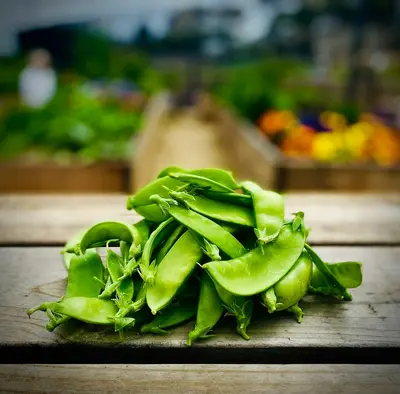
An improved version of the classic Italian Romano bean, Roma II produces exceptionally wide, flat pods with incredible flavor and meaty texture. This compact bush variety brings gourmet Italian bean quality to small gardens and containers, producing heavy yields of the broad, tender pods beloved in Mediterranean cuisine. Perfect for gardeners who want premium flavor without the space requirements of pole varieties.
Harvest
53-58d
Days to harvest
Sun
Full sun
Zones
2–11
USDA hardiness
Difficulty
Easy
Planting Timeline
Showing dates for Roma II Bush Bean in USDA Zone 7
All Zone 7 bean →Zone Map
Click a state to update dates
Roma II Bush Bean · Zones 2–11
Growing Details
Succession Planting
Direct sow Roma II every 14-18 days from your last frost date through early July in zone 7. The UGA Vegetable Garden Calendar puts snap beans on both the April and May planting lists, with a third round reasonable into early June. Each planting runs 53-58 days to harvest, so a sowing in late June should finish well before first fall frost.
Stop sowing when daytime highs are consistently above 90°F — bean flowers drop in that heat and pods set poorly even if the plants look fine. For a fall run, count back 60 days from your first expected frost date and sow then. Soil temps in late summer are still warm enough to hit the 7-10 day germination window without any coaxing.
Complete Growing Guide
Roma II Bush Bean thrives when direct sown into the garden soil after all danger of frost has passed and soil temperatures reach at least 60°F, ideally 70°F or warmer. Unlike longer-season varieties, this compact bush bean germinates quickly and doesn't benefit from indoor starting, so skip the seed trays and sow directly where you want them to grow. Plant seeds about one inch deep and two to three inches apart in rows spaced twelve to fifteen inches apart. If you're growing in containers, which Roma II handles beautifully due to its compact nature, use a pot at least ten inches deep with good drainage.
Prepare your soil before planting by working in compost or well-rotted manure to ensure loose, crumbly texture that allows the shallow root system to establish easily. Roma II performs well in most soil types but prefers pH between 6.0 and 7.0. Avoid freshly manured beds, as excessive nitrogen encourages leafy growth at the expense of those prized wide pods.
Water consistently but not excessively, providing about one inch per week through drip irrigation or soaking at the soil level rather than overhead watering. Overhead watering increases humidity around the foliage, which promotes the white mold this variety is susceptible to. Feed once when plants flower using a balanced fertilizer, though Roma II doesn't require heavy feeding if your soil was properly amended at planting.
Watch closely for bean leaf beetles starting about two weeks after emergence, as this variety's tender young leaves are particularly attractive to them. Hand-pick beetles early in the morning when they're sluggish, or use row covers until flowering begins. Aphids cluster on new growth; a strong water spray or insecticidal soap addresses light infestations quickly. Most critically, maintain excellent air circulation and avoid watering foliage to prevent white mold, which appears as cottony growth on pods and stems. This fungal disease spreads rapidly in cool, humid conditions and can devastate a crop quickly.
Since Roma II matures in just 53 to 58 days, it's an excellent candidate for succession planting. Make new sowings every two to three weeks until eight weeks before your first fall frost date to ensure continuous harvests of tender pods rather than one large glut.
The most common mistake gardeners make with Roma II is harvesting too late. These exceptional flat pods achieve peak flavor and tenderness when they're six to eight inches long and the seeds inside are barely visible as small bumps. Wait much longer and the pods become tough and stringy, defeating the purpose of growing this premium Italian variety.
Harvesting
Harvest Roma II beans when the pods reach four to six inches long and maintain their bright green color with a slight glossy sheen, signaling peak tenderness before the beans inside begin to bulge noticeably. The pods should snap crisply when bent and feel firm yet yielding to gentle pressure. Unlike single-harvest varieties, Roma II rewards continuous picking every two to three days, which encourages the plant to produce more flowers and extend your harvest window significantly. Begin harvesting in the early morning when pods are fully hydrated and most crisp, as afternoon heat can cause them to become slightly limp and less flavorful.
The boat-shaped seed pods are bilaterally symmetrical and can be green, yellow, white, or purple at maturity. There is a wide variety of color and shape choices among cultivars.
Color: Gold/Yellow, Green, Purple/Lavender, White. Type: Legume. Length: > 3 inches. Width: < 1 inch.
Garden value: Edible, Good Dried
Harvest time: Fall, Summer
Storage & Preservation
Fresh Roma II beans store best unwashed in perforated plastic bags in the refrigerator crisper drawer, maintaining quality for 7-10 days. Their thick, meaty texture makes them excellent candidates for freezing – blanch whole pods for 3 minutes, shock in ice water, then freeze in portion-sized bags for up to 8 months.
For preservation, Roma II's substantial pods excel at pressure canning using tested recipes for green beans. Their dense texture holds up beautifully to the high-heat process. You can also ferment these beans lacto-fermentation style, similar to dilly beans – their meaty texture creates satisfying pickled vegetables.
Dehydrating works well too: slice pods into 1-inch pieces and dry until brittle for long-term storage in airtight containers. The concentrated flavor makes dried Roma II perfect for adding to soups and stews during winter months.
History & Origin
Roma II Bush Bean evolved from the classic Romano bean (Phaseolus vulgaris), an heirloom variety with deep roots in Italian culinary tradition. While specific breeder names and exact development dates remain largely undocumented in widely available sources, Roma II represents a modern bush-type improvement bred to capture the distinctive flat pods and rich flavor of traditional Romano varieties while reducing plant height for container and small-garden cultivation. Seed companies developed this compact cultivar by selecting for determinate growth habit and earlier maturity, making premium Italian bean quality more accessible to home gardeners with space constraints. The variety reflects decades of refinement within commercial seed breeding programs rather than a single documented innovation.
Origin: Tropical America
Advantages
- +Exceptionally wide, flat pods deliver superior meaty texture and rich flavor
- +Compact bush variety thrives in small gardens and container growing
- +Fast maturity in 53-58 days provides quick harvests for impatient gardeners
- +Heavy yields of tender, gourmet-quality beans rival expensive pole varieties
- +Easy to grow makes Roma II ideal for beginner and experienced gardeners
Considerations
- -Susceptible to white mold in humid or poorly ventilated growing conditions
- -Bean leaf beetles and aphids frequently target this variety requiring vigilance
- -Bacterial blight can devastate crops in wet seasons or overhead watering situations
Companion Plants
Marigolds (French marigolds, Tagetes patula specifically) are worth planting at the bed edges — their root exudates deter nematodes, and aphids tend to pile up on them instead of moving onto your beans. Radishes and carrots pull double duty as row fillers: radishes pulled at 30 days open up soil channels before bean roots are fully established, and neither crop's root zone competes meaningfully with beans. Corn and summer squash fit well in a loose warm-season planting because all three want the same soil temperature window and none of them shade each other out at Roma II's 18-24 inch mature height.
Alliums are the ones to keep on the other side of the garden. The root chemistry in onions and garlic appears to suppress Rhizobium bacteria — the same organisms that fix nitrogen in bean root nodules — which cuts into the main agronomic reason you're growing beans in rotation. Fennel is a broad antagonist to most vegetables in close quarters. Give it its own container or a far corner if you grow it at all.
Plant Together
Marigold
Repels bean beetles, aphids, and nematodes while attracting beneficial insects
Carrots
Loosens soil for bean roots and beans provide nitrogen that carrots utilize
Corn
Provides natural windbreak and structure while beans fix nitrogen in soil
Summer Squash
Large leaves provide ground cover and shade, reducing weeds and conserving moisture
Nasturtiums
Acts as trap crop for aphids and bean beetles, also repels cucumber beetles
Brassicas
Beans repel flea beetles that damage brassicas, while brassicas don't compete for nitrogen
Radishes
Break up compacted soil and mature quickly, making space for bean root expansion
Rosemary
Deters bean beetles and other pests with strong aromatic compounds
Keep Apart
Onions
Can stunt bean growth and reduce yields through allelopathic compounds
Sunflowers
Allelopathic effects inhibit bean germination and growth, also competes for nutrients
Fennel
Inhibits growth of most garden plants including beans through strong allelopathy
Nutrition Facts
Per 100g serving. % Daily Value based on 2,000 calorie diet. Source: USDA FoodData Central (FDC #2346400)
Pests & Disease Resistance
Resistance
Good resistance to common bean mosaic virus and rust
Common Pests
Bean leaf beetles, aphids
Diseases
White mold, bacterial blight
Troubleshooting Roma II Bush Bean
What you'll see, why it happens, and what to do about it.
Leaves with irregular chunks missing, edges ragged, plants looking generally chewed up around weeks 5-7
Likely Causes
- Bean leaf beetle (Cerotoma trifurcata) — adults chew holes and notch leaf edges
- Mexican bean beetle (Epilachna varivestis) — larvae skeletonize leaf undersides
What to Do
- 1.Scout every 2-3 days; hand-pick beetles and larvae into soapy water if populations are low
- 2.Apply spinosad or pyrethrin if damage is spreading to more than 30% of the canopy
- 3.Rotate this bed out of beans and other legumes next season — adults overwinter in soil nearby
Water-soaked, dark brown blotches on leaves and pods, sometimes with a yellow halo, appearing after wet weather
Likely Causes
- Bacterial blight (Pseudomonas syringae pv. phaseolicola or Xanthomonas axonopodis pv. phaseoli) — spreads in rain splash and on hands and tools
- Working in the bed while foliage is wet
What to Do
- 1.Stay out of the bed when leaves are wet — bacterial blight moves fast on wet hands and tools
- 2.Remove and trash (don't compost) infected plant material
- 3.Next season, source certified disease-free seed and switch to a soaker hose delivering 1 inch per week so foliage stays dry
White cottony growth on stems near the soil line, stems rotting and collapsing, usually mid-season
Likely Causes
- White mold (Sclerotinia sclerotiorum) — thrives in cool, wet, poorly ventilated conditions
- Plants spaced too tightly, limiting airflow between rows
What to Do
- 1.Pull and trash affected plants immediately — Sclerotinia produces hard black sclerotia that persist in soil for years
- 2.Space Roma II at the full 6-inch interval and keep rows at least 18 inches apart to improve airflow
- 3.Rotate beans out of this bed for at least 2 seasons; Sclerotinia has a wide host range, so skip susceptible crops like cucurbits in the same spot as well
Frequently Asked Questions
How long does Roma II bush bean take to grow?▼
Can you grow Roma II bush beans in containers?▼
Is Roma II good for beginners?▼
What does Roma II bush bean taste like?▼
When should I plant Roma II bush beans?▼
Roma II vs regular green beans - what's the difference?▼
Zone-by-Zone Planting Calendar
| Zone | Indoor Start | Transplant | Direct Sow | Harvest |
|---|---|---|---|---|
| Zone 1 | — | — | July – August | September – August |
| Zone 2 | — | — | June – August | September – September |
| Zone 11 | — | — | January – March | April – May |
| Zone 12 | — | — | January – March | April – May |
| Zone 13 | — | — | January – March | April – May |
| Zone 3 | — | — | June – July | August – October |
| Zone 4 | — | — | June – July | August – October |
| Zone 5 | — | — | May – June | August – September |
| Zone 6 | — | — | May – June | July – September |
| Zone 7 | — | — | April – June | July – August |
| Zone 8 | — | — | April – May | June – August |
| Zone 9 | — | — | March – April | May – July |
| Zone 10 | — | — | February – April | May – June |
Growing Guides from Wind River Greens
Sources & References
External authority sources used in compiling this guide.
See the Methodology page for how this data is sourced, what's AI-assisted, and known limitations.