Rocdor
Phaseolus vulgaris
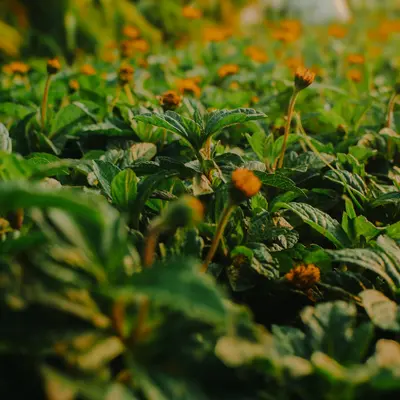
Rocdor has straight, 6 1/2" long, slender pods that have a deep-yellow color. Early and productive on upright plants. The black seeds germinate well in cool soil. Bush bean.
Harvest
52d
Days to harvest
Sun
Full sun
Zones
2–11
USDA hardiness
Height
12-18 inches
Planting Timeline
Showing dates for Rocdor in USDA Zone 7
All Zone 7 bean →Zone Map
Click a state to update dates
Rocdor · Zones 2–11
Growing Details
Succession Planting
Direct sow Rocdor every 10–14 days from your last frost date through early July in zone 7 — the UGA vegetable calendar recommends making a third planting in May of whatever you started in April, and that rhythm works well for snap beans. At 52 days to harvest, a June 30 sowing finishes in late August before pest pressure from bean beetles and spider mites peaks in the September heat. Stop sowing once daytime highs are consistently above 90°F; bean flowers abort in that range and the pods that do set will be small and tough.
Complete Growing Guide
Rocdor beans are best direct sown into warm garden soil rather than started indoors, as their black seeds germinate reliably even in cooler conditions—a trait that distinguishes them from many other varieties and makes them an excellent choice for early planting. Sow seeds one to two weeks before your last spring frost date, as soon as soil temperatures reach 60°F. Plant seeds one inch deep and two to three inches apart in rows spaced twelve to fifteen inches apart. These upright bush plants are compact and don't require the wide spacing of vining varieties, making them ideal for smaller gardens or containers. Prepare soil by working in compost or aged manure before planting; Rocdor performs best in well-draining, slightly acidic to neutral soil with a pH between 6.0 and 7.0.
Water consistently throughout the growing season, providing about one inch of water per week through rainfall or irrigation. Young plants need consistent moisture to establish strong root systems, but be careful not to overwater, as soggy soil can encourage fungal issues. Once flowering begins, maintain even soil moisture to support pod development. A balanced organic fertilizer applied at planting time will support growth without excess nitrogen, which can promote foliage at the expense of bean production.
Rocdor's early maturity at 52 days makes it susceptible to bean leaf beetles and spider mites during warm spells, so monitor plants weekly for yellowing leaves and small holes. Inspect undersides of leaves regularly, as spider mites prefer the dry conditions of full sun exposure. This variety also shows some susceptibility to rust diseases in humid conditions, so space plants adequately for air circulation and avoid wetting foliage during watering. Remove any affected leaves promptly to prevent spread.
Many gardeners overlook succession planting with Rocdor, missing the opportunity to extend the harvest season. Rather than planting all seeds at once, sow new seeds every two to three weeks until eight weeks before your first fall frost. This approach provides fresh beans throughout the season and reduces the likelihood that a single pest or disease outbreak will eliminate your entire crop.
The one aspect gardeners most frequently mishandle with Rocdor is harvesting at the right stage. These 6½-inch pods reach peak tenderness and flavor when picked young, before they mature fully—typically when they snap easily between your fingers. Harvesting frequently encourages continued flowering and extends productivity. Waiting too long results in tough, fibrous pods that lack the delicate texture Rocdor is known for.
Harvesting
Rocdor reaches harvest at 52 days from sowing per Johnny's Selected Seeds. Expect 6 1/2" at peak. As an annual, harvest continues until frost ends the season.
The boat-shaped seed pods are bilaterally symmetrical and can be green, yellow, white, or purple at maturity. There is a wide variety of color and shape choices among cultivars.
Color: Gold/Yellow, Green, Purple/Lavender, White. Type: Legume. Length: > 3 inches. Width: < 1 inch.
Garden value: Edible, Good Dried
Harvest time: Fall, Summer
Storage & Preservation
Rocdor beans are best stored fresh in a breathable container—paper bag or mesh—in the refrigerator at 40–45°F with moderate humidity. They'll keep for 5–7 days before quality declines. For longer preservation, freezing is ideal: blanch pods for 3 minutes, cool in ice water, drain thoroughly, and pack in freezer bags. They retain quality for 8–12 months. Drying works well too; shell mature pods and dry beans in a warm, airy space (75–85°F) until brittle, then store in airtight containers. Canning is possible using pressure-canned green bean recipes if harvesting young at 52 days, though Rocdor's dense pod structure means they're equally suited to shell-bean drying if allowed to mature fully on the plant.
History & Origin
Rocdor is open-pollinated, meaning seed saved from healthy plants will produce true-to-type offspring. Listed in the Johnny's Selected Seeds catalog.
Origin: Tropical America
Advantages
- +Early 52-day maturity allows multiple successive plantings per season
- +Straight 6.5-inch pods are ideal for canning and freezing whole
- +Black seeds reliably germinate in cool spring soil conditions
- +Upright plant habit reduces pod rot and ground contact
Considerations
- -Slender pods may produce lower total yields than wider-podded varieties
- -Vulnerable to common bean mosaic virus in disease-prone regions
- -Requires consistent moisture; susceptible to splitting during heavy rain
- -Limited pod length restricts market appeal compared to longer varieties
Companion Plants
Marigolds deter bean beetles through scent, and nasturtiums pull aphid pressure away from the beans by acting as a trap crop — both are worth planting at the bed edges. Corn and squash fit naturally alongside bush beans: squash canopy shades out the weeds that UGA Extension flags as a direct competitor for moisture and fertilizer, while corn offers climbing structure if you ever run a pole type nearby. Keep onions and garlic out of this bed — alliums release root exudates that suppress legume germination, and the effect is consistent enough that you'll notice it in stand density. Summer savory is a practical add; it has a documented reputation for deterring bean beetles and you can harvest it right alongside the pods at 52 days.
Plant Together
Marigold
Repels Mexican bean beetles and aphids while attracting beneficial insects
Nasturtium
Acts as trap crop for aphids and cucumber beetles, deters bean beetles
Corn
Provides natural trellis for climbing beans in Three Sisters companion planting
Squash
Ground cover reduces weeds, retains soil moisture in Three Sisters method
Carrots
Beans fix nitrogen that carrots utilize, carrots don't compete for space
Cucumber
Both benefit from similar growing conditions and bean's nitrogen fixation
Radish
Quick harvest leaves space for beans, may deter bean beetles
Summer Savory
Repels bean beetles and aphids, may enhance bean flavor
Keep Apart
Onion
Inhibits bean growth and nitrogen fixation through root secretions
Garlic
Stunts bean growth and interferes with beneficial root bacteria
Sunflower
Allelopathic compounds inhibit bean germination and growth
Nutrition Facts
Per 100g serving. % Daily Value based on 2,000 calorie diet. Source: USDA FoodData Central (FDC #2346400)
Pests & Disease Resistance
Resistance
Anthracnose (High); One or more races of Bean Mosaic Virus (High)
Common Pests
Bean beetles, spider mites, aphids
Diseases
Powdery mildew, rust, bean anthracnose
Troubleshooting Rocdor
What you'll see, why it happens, and what to do about it.
Leaves with ragged chunks missing, skeletonized or chewed edges, plants looking generally beat up around week 7
Likely Causes
- Mexican bean beetle (Epilachna varivestis) — adults and larvae both feed on leaf tissue from the underside
- Bean leaf beetle (Cerotoma trifurcata) — leaves round holes, not just edge damage
What to Do
- 1.Check the undersides of leaves for yellow egg clusters or yellow-orange larvae and crush them by hand
- 2.If populations are heavy, apply spinosad or neem oil in the early morning when bees aren't active
- 3.Rotate this bed out of beans and other legumes for at least one season — UGA Extension's vegetable calendar flags Mexican bean beetle as a top-10 pest to scout from May onward
Orange or rust-colored pustules on the undersides of leaves, sometimes with yellow halos on top, showing up mid-season
Likely Causes
- Bean rust (Uromyces appendiculatus) — a fungal disease that spreads fast in warm, humid weather
- Planting beans in the same bed year after year, which NC State Extension's diagnostic case study specifically flags as a compounding risk
What to Do
- 1.Remove and bag affected leaves — don't compost them
- 2.Thin plants to the recommended 4–6 inch spacing and pull weeds to open up airflow
- 3.Rotate beans out of that bed for 2–3 years; the pathogen overwinters in crop debris
Dark, sunken lesions on pods and stems, sometimes with salmon-pink spore masses at the center of the spots
Likely Causes
- Bean anthracnose (Colletotrichum lindemuthianum) — a seed-borne and soil-borne fungus that spreads readily in wet conditions
- Handling plants when foliage is wet, which physically moves spores from plant to plant
What to Do
- 1.Pull and trash infected plants — don't leave them to break down in the bed
- 2.Start with certified disease-free seed next season; anthracnose rides in on infected seed lots
- 3.Switch to drip or soaker-hose irrigation and keep water at roughly 1 inch per week at soil level rather than wetting the foliage
Frequently Asked Questions
How long does Rocdor bean take to mature?▼
Can you grow Rocdor beans in containers?▼
What do Rocdor beans taste like?▼
When should I plant Rocdor beans?▼
How much space do Rocdor bean plants need?▼
Zone-by-Zone Planting Calendar
| Zone | Indoor Start | Transplant | Direct Sow | Harvest |
|---|---|---|---|---|
| Zone 3 | — | — | June – July | August – October |
| Zone 4 | — | — | June – July | August – October |
| Zone 5 | — | — | May – June | August – September |
| Zone 6 | — | — | May – June | July – September |
| Zone 7 | — | — | April – June | July – August |
| Zone 8 | — | — | April – May | June – August |
| Zone 9 | — | — | March – April | May – July |
| Zone 10 | — | — | February – April | May – June |
| Zone 1 | — | — | July – August | September – August |
| Zone 2 | — | — | June – August | September – September |
| Zone 11 | — | — | January – March | April – May |
| Zone 12 | — | — | January – March | April – May |
| Zone 13 | — | — | January – March | April – May |
Growing Guides from Wind River Greens
Sources & References
External authority sources used in compiling this guide.
- BreederJohnny's Selected Seeds
- USDAUSDA FoodData Central
See the Methodology page for how this data is sourced, what's AI-assisted, and known limitations.