Python
Vigna unguiculata
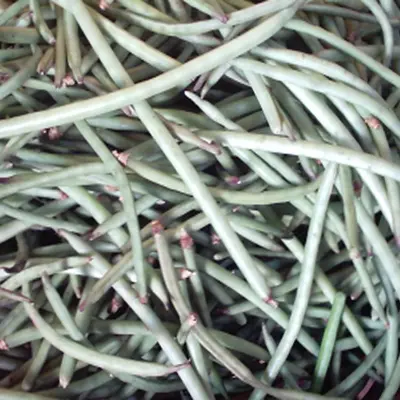
Smooth, dark green, glossy pods with a refined look. Productive without sacrificing appearance or flavor. Stringless, sweet, and richly flavored for steaming and stir-fries. Vines bear attractive, waxy foliage. 16-20" long, slender pods. Brown seeds. Pole bean; requires trellising.
Harvest
80d
Days to harvest
Sun
Full sun
Zones
11–11
USDA hardiness
Height
5-10 feet
Planting Timeline
Showing dates for Python in USDA Zone 7
All Zone 7 bean →Zone Map
Click a state to update dates
Python · Zones 11–11
Growing Details
Succession Planting
Direct sow Python every 3 weeks from late April through early June in zone 7, stopping once daytime highs are consistently above 90°F. Cowpeas handle heat better than snap beans, but pollination drops off when nights stay above 75°F. With 80 days to harvest, a sowing in early June will finish in late August to early September — about as late as you want to push it before frost becomes a real risk.
Python keeps producing as long as you pick regularly, so two or three staggered sowings spaced 18–21 days apart will give you a steady supply without a glut. Keep 2 inches of mulch — straw or shredded leaves — over the root zone to hold moisture between waterings.
Complete Growing Guide
Smooth, dark green, glossy pods with a refined look. Productive without sacrificing appearance or flavor. Stringless, sweet, and richly flavored for steaming and stir-fries. Vines bear attractive, waxy foliage. 16-20" long, slender pods. Brown seeds. Pole bean; requires trellising. According to Johnny's Selected Seeds, Python is 80 days to maturity, annual.
Light: Full sun (6 or more hours of direct sunlight a day). Soil: Clay, High Organic Matter, Loam (Silt), Sand. Soil pH: Acid (<6.0), Neutral (6.0-8.0). Drainage: Good Drainage, Moist, Occasionally Dry. Height: 5 ft. 0 in. - 10 ft. 0 in.. Spread: 1 ft. 0 in. - 3 ft. 0 in.. Spacing: 12 inches-3 feet. Growth rate: Rapid. Maintenance: Low. Regions: Coastal, Mountains, Piedmont.
Harvesting
Python reaches harvest at 80 days from sowing per Johnny's Selected Seeds. Expect 16-20" at peak. As an annual, harvest continues until frost ends the season.
Fruits are 10 to 18 inches long. Various cultivars are available: some with green fruits and others with purple or burgundy fruits.
Color: Green, Purple/Lavender, Red/Burgundy. Type: Legume. Length: > 3 inches. Width: < 1 inch.
Garden value: Edible
Harvest time: Summer
Edibility: Fruits are edible when immature. The seeds can be harvested for dried beans.
Storage & Preservation
Python beans are best stored fresh in a cool, humid environment between 45–50°F with 85–90% relative humidity; sealed plastic bags in the refrigerator crisper drawer will keep them firm for 7–10 days. For longer preservation, freezing is the most reliable method—blanch pods for 3 minutes, cool in ice water, drain thoroughly, and freeze in airtight containers for up to 8 months. Drying also works well; mature, fully dried beans store excellently in airtight jars in a cool, dark place for over a year. For short-term use, refrigerator storage remains practical. Canning requires pressure processing due to low acidity. Python's tender pod stage and meaty texture make freezing the preferred choice for home gardeners seeking to preserve quality and eating experience through winter months.
History & Origin
The Python pole bean emerged from Asian vegetable breeding programs focused on long-podded yard-long bean varieties, which are traditional crops across Southeast Asia and southern China. While specific breeder attribution and introduction year remain undocumented in readily available sources, Python represents modern selections within the Vigna unguiculata species that emphasize both productivity and ornamental appeal. The variety appears to have been developed by commercial seed companies seeking to combine the vigorous growth and extended pod length characteristic of heirloom yard-long beans with improved stringlessness and flavor suitable for Western home gardeners. Its refinement suggests deliberate selection across multiple growing seasons for pod quality, vine aesthetics, and culinary performance.
Origin: Tropical Africa
Advantages
- +Exceptionally long, slender pods deliver impressive visual appeal and refined presentation
- +Stringless variety eliminates tedious pod preparation, saving time during harvest
- +Sweet, rich flavor excels in both steaming and stir-fry cooking methods
- +Attractive waxy foliage provides ornamental garden value beyond vegetable production
- +Productive yields without compromising pod quality or culinary characteristics
Considerations
- -Pole bean requires sturdy trellising infrastructure, increasing setup labor and materials cost
- -Eighty-day maturity demands long, consistent warm season unsuitable for short climates
- -Vigorous vines need regular pruning and maintenance to prevent excessive tangling
Companion Plants
Corn and squash are the most practical pairings with Python cowpeas. Corn gives the vines something to climb without any extra trellis work, and squash spreads out at ground level to shade the soil, cutting moisture loss and crowding out weeds between your 6–8 inch spacings. Marigolds (Tagetes spp.) at the bed edges deter aphids and bean beetles through scent disruption. Nasturtiums pull aphid pressure toward themselves — they're a trap crop, not a cure, but concentrating a problem in one spot makes it easier to manage. Summer savory doesn't compete for root space and has a long association with beans; the pest-repellent claims are hard to pin down, but it costs you nothing to include it.
Onions, garlic, and fennel don't belong near Python. Alliums release sulfur compounds that inhibit the nitrogen-fixing bacteria (Rhizobium spp.) living on legume roots — and fixing nitrogen is a big part of why you'd rotate cowpeas through a bed in the first place. NC State Extension's organic gardening guidance specifically calls out legume nitrogen-fixation as a key crop rotation benefit; planting alliums alongside your cowpeas works against that directly. Fennel is allelopathic to most vegetables and tends to suppress germination and root development in neighboring plants — keep it out of the vegetable bed entirely.
Plant Together
Carrots
Beans fix nitrogen in soil that carrots utilize, while carrots don't compete for same nutrients
Corn
Provides natural support structure for climbing beans, classic Three Sisters companion
Squash
Large leaves provide ground cover and moisture retention, completes Three Sisters planting
Marigolds
Repel Mexican bean beetles and other harmful insects that damage bean plants
Nasturtiums
Act as trap crops for aphids and cucumber beetles, protecting beans
Radishes
Break up soil for bean roots and mature quickly before beans need full space
Cucumber
Both benefit from similar growing conditions and don't compete for nutrients
Summer Savory
Improves bean growth and flavor while deterring bean beetles
Keep Apart
Onions
Can inhibit bean growth and nitrogen fixation through root secretions
Garlic
Allelopathic compounds can stunt bean growth and reduce yields
Fennel
Produces allelopathic chemicals that inhibit growth of most garden plants including beans
Nutrition Facts
Per 100g serving. % Daily Value based on 2,000 calorie diet. Source: USDA FoodData Central (FDC #2346400)
Pests & Disease Resistance
Common Pests
Bean beetles, spider mites, aphids
Diseases
Bean rust, anthracnose, powdery mildew
Troubleshooting Python
What you'll see, why it happens, and what to do about it.
Leaves with ragged chunks missing, some browning, on plants around 7 weeks old
Likely Causes
- Mexican bean beetle (Epilachna varivestis) — adults and larvae chew leaf tissue from the underside
- Kudzu bug (Megacopta cribraria) — olive-green, square-shaped insects that congregate in dense clusters and cause wilting and dieback
What to Do
- 1.Inspect the undersides of leaves for bean beetle egg clusters (yellow, football-shaped) and crush them by hand
- 2.For kudzu bug, check the NC Agricultural Chemicals Manual for currently labeled insecticides; only spray affected plants and observe the pre-harvest interval on the label
- 3.Rotate out of all bean-family crops in that bed for at least one full season — NC State Extension notes this helps break the pest cycle
Orange or rust-colored pustules on leaf undersides, leaves yellowing and dropping mid-season
Likely Causes
- Bean rust (Uromyces appendiculatus) — spreads rapidly in warm, humid conditions, especially where plants are crowded
- Overhead irrigation or rain splash moving spores from plant to plant
What to Do
- 1.Pull and trash (not compost) heavily infected leaves as soon as you spot them
- 2.Switch to a soaker hose delivering 1 inch per week at soil level — wet foliage accelerates spread
- 3.Don't replant beans in the same spot for 2–3 seasons; Uromyces appendiculatus overwinters in debris
White powdery coating on upper leaf surfaces, appearing after plants hit full size
Likely Causes
- Powdery mildew (Erysiphe polygoni) — thrives in warm days paired with cool nights, made worse by poor airflow
- Planting too close — Python vines run 5–10 feet and need the full 6–8 inch spacing to stay open
What to Do
- 1.Remove affected leaves and bin them — don't leave them on the soil surface
- 2.Make sure your trellis isn't packed so tight that air can't move through the canopy
- 3.Apply diluted neem oil early in the morning and reapply every 7 days if humidity stays high
Frequently Asked Questions
How long does it take Python beans to produce?▼
Is Python bean a good choice for beginners?▼
Can you grow Python beans in containers?▼
What does Python bean taste like?▼
When should I plant Python beans?▼
What makes Python beans different from regular green beans?▼
Zone-by-Zone Planting Calendar
| Zone | Indoor Start | Transplant | Direct Sow | Harvest |
|---|---|---|---|---|
| Zone 3 | — | — | June – July | September – October |
| Zone 4 | — | — | June – July | September – October |
| Zone 5 | — | — | May – June | September – October |
| Zone 6 | — | — | May – June | August – October |
| Zone 7 | — | — | April – June | August – September |
| Zone 8 | — | — | April – May | July – September |
| Zone 9 | — | — | March – April | June – August |
| Zone 10 | — | — | February – April | June – July |
| Zone 1 | — | — | July – August | October – August |
| Zone 2 | — | — | June – August | October – September |
| Zone 11 | — | — | January – March | May – June |
| Zone 12 | — | — | January – March | May – June |
| Zone 13 | — | — | January – March | May – June |
Growing Guides from Wind River Greens
Sources & References
External authority sources used in compiling this guide.
- ExtensionNC State Extension
- BreederJohnny's Selected Seeds
- USDAUSDA FoodData Central
See the Methodology page for how this data is sourced, what's AI-assisted, and known limitations.