Purple Top Bush Bean
Phaseolus vulgaris 'Purple Top'
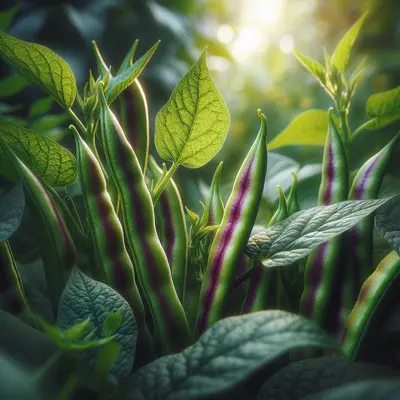
A stunning heirloom variety that produces beautiful purple-streaked pods on compact bush plants, adding both color and flavor to the garden. The tender young pods are excellent fresh, while mature beans can be dried for winter storage, making this a true dual-purpose variety that's been treasured by gardeners for generations.
Harvest
55-60d
Days to harvest
Sun
Full sun
Zones
2–11
USDA hardiness
Difficulty
Easy
Planting Timeline
Showing dates for Purple Top Bush Bean in USDA Zone 7
All Zone 7 bean →Zone Map
Click a state to update dates
Purple Top Bush Bean · Zones 2–11
Growing Details
Succession Planting
Direct sow every 10-14 days starting around April 1 in zone 7, continuing through early June. Bush beans mature in 55-60 days, so a June 1 sowing will push harvest into late July or early August before heat sets in hard. Stop sowing once daytime highs are consistently above 90°F — bean blossoms drop without setting pods in that range, and you'll just be wasting seed. The UGA Vegetable Garden Calendar recommends a third planting in May of snap beans alongside corn and squash, which lines up well with this window.
Complete Growing Guide
Purple Top Bush Bean is best direct sown into the garden rather than started indoors, as the seeds germinate quickly and transplanting offers no real advantage. Wait until soil temperatures reach at least 60°F and all danger of frost has passed—typically one to two weeks after your area's last frost date. Soil that's too cold and wet will cause seeds to rot before sprouting, so patience in spring pays off. Simply push seeds one inch deep into the soil, spacing them three to four inches apart in rows or clusters. Thin seedlings to six inches apart once they've emerged, as the compact bush habit of this variety still needs adequate air circulation around the foliage.
Prepare your soil before planting by working in compost or well-rotted manure to improve drainage and add organic matter. Purple Top Bush Bean prefers slightly acidic to neutral soil with a pH between 6.0 and 7.0. This variety isn't particularly heavy-feeding, so avoid over-fertilizing with nitrogen, which encourages leafy growth at the expense of pod production. A balanced, moderate fertilizer applied at planting time is usually sufficient, though a light application of phosphorus-rich fertilizer when flowers appear can boost production.
Water consistently, providing about one inch per week through drip irrigation or soaking at the base. Keep soil evenly moist but not waterlogged, particularly during flowering and pod development. Inconsistent watering can cause pods to be stringy or bitter, which would spoil the eating quality of the tender purple-streaked pods you're growing this variety for.
Watch closely for Mexican bean beetles, which are particularly attracted to beans and can defoliate plants rapidly. Hand-pick egg clusters from the undersides of leaves and crush them before beetles emerge. Aphids and thrips also favor this crop, so inspect regularly and use organic insecticidal soap if infestations develop. Bean common mosaic virus, transmitted by aphids, can devastate your crop, so controlling aphids is essential. Ensure good air circulation to prevent powdery mildew in humid conditions, and avoid working among plants when foliage is wet to minimize bacterial blight spread.
Many gardeners mistakenly harvest Purple Top Bush Bean pods only at the purple stage, but the best eating quality actually comes from slightly younger pods with just hints of purple coloring. Wait until pods reach four to five inches long and snap cleanly when bent, but don't let them mature fully unless you're saving them for dried beans. For succession plantings, sow new seeds every two weeks until mid-summer to extend your harvest through fall.
Harvesting
Purple Top Bush Beans reach peak harvest readiness when pods display vibrant purple streaking against a green background and measure four to six inches long with a tender, slightly flexible feel that snaps cleanly when bent. The pods should still have a bright appearance rather than fading to dull tones, indicating they haven't begun maturing seeds inside. For continuous harvests throughout the season, pick pods every two to three days rather than waiting for a single large harvest; regular picking encourages the plants to produce more flowers and extends productivity considerably. A crucial timing tip: harvest in the early morning after dew dries but before afternoon heat, as this is when pods are crispest and most tender, yielding superior flavor whether you're using them fresh or planning to mature select pods for dried beans later in the season.
The boat-shaped seed pods are bilaterally symmetrical and can be green, yellow, white, or purple at maturity. There is a wide variety of color and shape choices among cultivars.
Color: Gold/Yellow, Green, Purple/Lavender, White. Type: Legume. Length: > 3 inches. Width: < 1 inch.
Garden value: Edible, Good Dried
Harvest time: Fall, Summer
Storage & Preservation
Fresh Purple Top Bean pods stay crisp for 5-7 days when stored unwashed in perforated plastic bags in the refrigerator crisper drawer. For optimal freshness, store at 40-45°F with high humidity.
For longer storage, blanch pods in boiling water for 3 minutes, shock in ice water, drain thoroughly, and freeze in airtight containers for up to 8 months. The purple coloration may fade slightly during freezing but flavor remains excellent.
To preserve as dried beans, allow pods to dry completely on the plant until they rattle, then shell and store the dried beans in airtight containers in a cool, dry place. Properly dried beans keep for 2-3 years and make excellent additions to soups and stews. You can also pressure can fresh pods using standard green bean canning procedures for shelf-stable storage.
History & Origin
The Purple Top Bush Bean belongs to the diverse heirloom bean tradition of North America, where purple-podded varieties have been cultivated for centuries, though specific documentation of this variety's origin is limited. Like many heirloom beans, it likely emerged from folk selection within gardening communities rather than formal breeding programs, with seed savers perpetuating the variety through generations. The purple coloration in bean pods is a recessive trait found across Phaseolus vulgaris populations, suggesting this variety may have been isolated and maintained by gardeners who valued both its ornamental appearance and dual-purpose utility. Its persistence in seed catalogs and among home gardeners indicates recognition as a stable, reliable type worth preserving, though definitive breeder attribution and introduction date remain undocumented in readily available sources.
Origin: Tropical America
Advantages
- +Beautiful purple-streaked pods add ornamental appeal to vegetable gardens
- +Dual-purpose variety offers fresh eating and dried bean storage
- +Compact bush plants require minimal space and no staking needed
- +Mild sweet flavor when young appeals to most palates
- +Quick 55-60 day maturity fits shorter growing seasons well
Considerations
- -Susceptible to Mexican bean beetle damage without pest management
- -Bean common mosaic virus can devastate plants in infected areas
- -Powdery mildew develops easily in humid or crowded conditions
- -Requires consistent moisture and well-draining soil for best results
Companion Plants
Marigolds deter aphids and Mexican bean beetles through scent, and nasturtiums pull double duty as a trap crop — aphids pile onto them instead of the beans, which makes scouting and removal much easier. Summer savory has a long track record with beans specifically; some growers credit it with suppressing bean beetles, and it's shallow-rooted enough that it won't steal moisture at the 6.0-7.0 pH range beans prefer. Corn and squash fit naturally alongside beans because the bean's nitrogen-fixing root bacteria feed the whole planting — that's the functional logic behind the Three Sisters arrangement. Onions and fennel both cause problems: onions have documented allelopathic effects that stunt legume germination, and fennel suppresses most vegetables it grows near regardless of spacing.
Plant Together
Marigolds
Repel bean beetles, aphids, and nematodes while attracting beneficial insects
Nasturtiums
Act as trap crop for aphids and cucumber beetles, repel bean beetles
Carrots
Beans improve soil nitrogen for carrots, carrots don't compete for space
Corn
Provides natural support structure for climbing varieties and wind protection
Squash
Part of Three Sisters planting, large leaves suppress weeds and retain soil moisture
Radishes
Break up compacted soil, mature quickly before beans need full space
Lettuce
Benefits from nitrogen fixation, provides living mulch, different root depths
Summer Savory
Improves bean flavor and growth, repels bean beetles and aphids
Keep Apart
Onions
Can stunt bean growth and inhibit nitrogen fixation by beneficial bacteria
Sunflowers
Allelopathic compounds inhibit bean germination and growth
Fennel
Inhibits growth of most garden plants including beans through allelopathy
Nutrition Facts
Per 100g serving. % Daily Value based on 2,000 calorie diet. Source: USDA FoodData Central (FDC #2346400)
Pests & Disease Resistance
Resistance
Moderate disease resistance typical of heirlooms
Common Pests
Mexican bean beetle, aphids, thrips, seed corn maggot
Diseases
Bean common mosaic virus, bacterial blight, powdery mildew
Troubleshooting Purple Top Bush Bean
What you'll see, why it happens, and what to do about it.
Leaves with ragged chunks missing, skeletonized patches, or copper-colored egg clusters on the undersides — typically appearing around weeks 5-7
Likely Causes
- Mexican bean beetle (Epilachna varivestis) — adults and larvae both feed on leaf tissue from the underside
- Bean leaf beetle (Cerotoma trifurcata) — chews clean round holes through leaves
What to Do
- 1.Hand-pick egg clusters (yellow-orange, laid in tight groups under leaves) and drop them in soapy water
- 2.Apply spinosad or neem oil every 7 days while feeding pressure is high — coat the undersides of leaves, not just the tops
- 3.The UGA Vegetable Garden Calendar flags Mexican bean beetle as one of the top pest threats; check plants every 2-3 days once they hit 4 weeks old, because populations can double fast in warm weather
Water-soaked or dark-brown angular spots on leaves and pods, sometimes with a yellow halo, appearing after wet weather
Likely Causes
- Bacterial blight (Xanthomonas axonopodis pv. phaseoli) — spreads rapidly through overhead irrigation and rain splash
- Repeatedly planting beans in the same bed without rotation
What to Do
- 1.Switch to drip or soaker hose irrigation — beans want 1 inch per week at the root zone, not on the foliage
- 2.Pull and bag (don't compost) any heavily infected plants to limit spread
- 3.NC State Extension recommends rotating legumes out of a plot for at least 2 seasons; if you've grown beans in the same spot 5 years running, move them
White powdery coating on upper leaf surfaces, starting mid-season when nights cool and humidity climbs
Likely Causes
- Powdery mildew (Erysiphe polygoni) — unlike most fungal diseases, this one thrives without wet leaves, needing only high ambient humidity
- Crowded spacing under 4 inches that cuts airflow between plants
What to Do
- 1.Thin to at least 4-6 inches apart at germination — don't wait until mildew appears to address crowding
- 2.Spray affected foliage with a potassium bicarbonate solution or diluted neem oil (1-2% concentration) every 5-7 days
- 3.Strip and trash (not compost) heavily coated leaves; spores overwinter in plant debris and reinfect the following season
Frequently Asked Questions
How long do Purple Top Bush Beans take to grow?▼
Can you grow Purple Top Bush Beans in containers?▼
What do Purple Top Bush Beans taste like?▼
Do Purple Top Bush Beans stay purple when cooked?▼
Are Purple Top Bush Beans good for beginners?▼
When should I plant Purple Top Bush Beans?▼
Zone-by-Zone Planting Calendar
| Zone | Indoor Start | Transplant | Direct Sow | Harvest |
|---|---|---|---|---|
| Zone 1 | — | — | July – August | September – August |
| Zone 2 | — | — | June – August | September – September |
| Zone 11 | — | — | January – March | April – May |
| Zone 12 | — | — | January – March | April – May |
| Zone 13 | — | — | January – March | April – May |
| Zone 3 | — | — | June – July | August – October |
| Zone 4 | — | — | June – July | August – October |
| Zone 5 | — | — | May – June | August – September |
| Zone 6 | — | — | May – June | July – September |
| Zone 7 | — | — | April – June | July – August |
| Zone 8 | — | — | April – May | June – August |
| Zone 9 | — | — | March – April | May – July |
| Zone 10 | — | — | February – April | May – June |
Growing Guides from Wind River Greens
Sources & References
External authority sources used in compiling this guide.
See the Methodology page for how this data is sourced, what's AI-assisted, and known limitations.