Purple Podded Bush Bean
Phaseolus vulgaris 'Purple Podded'
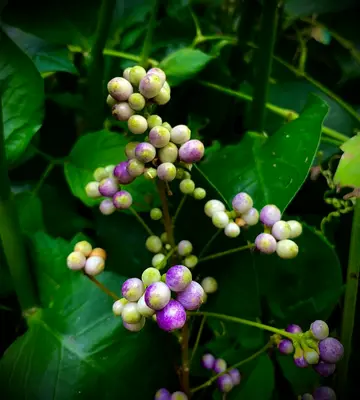
A stunning heirloom variety that produces vibrant purple pods that turn green when cooked, making it both ornamental and delicious in the garden. These eye-catching plants are incredibly easy to harvest since the colorful pods stand out dramatically against the green foliage. Beyond their beauty, these beans offer excellent flavor and are perfect for gardeners who want something unique and conversation-worthy.
Harvest
55-60d
Days to harvest
Sun
Full sun
Zones
2–11
USDA hardiness
Difficulty
Easy
Planting Timeline
Showing dates for Purple Podded Bush Bean in USDA Zone 7
All Zone 7 bean →Zone Map
Click a state to update dates
Purple Podded Bush Bean · Zones 2–11
Growing Details
Succession Planting
Direct sow every 14 days from your last frost date through mid-June in zone 7 — typically late March through June 15. At 55–60 days to harvest, a June 15 sowing finishes in mid-August before summer heat shuts the plants down. The UGA Vegetable Garden Calendar recommends a third planting in May, which fits neatly: three rounds on a 14-day interval gives you a harvest window of roughly 6 weeks without a single glut hitting all at once.
Stop sowing once daytime highs are regularly above 90°F — bean flowers abort at those temperatures and pods barely fill out. In zones 8 and warmer, you can pick back up around August 15 for a fall run, timing harvest to clear first frost.
Complete Growing Guide
Purple Podded Bush Beans are best direct sown into the garden rather than started indoors, as they dislike transplanting and will thrive when seeds are sown directly into warm soil. Wait until after your last frost date and soil temperatures have reached at least 60°F, ideally 70°F or warmer, as cold soil will cause seeds to rot. Sow seeds about one inch deep and two inches apart in rows spaced twelve inches apart, or in blocks if you prefer. These compact bush plants don't require wide spacing like pole varieties, but proper air circulation helps prevent disease problems later in the season.
Prepare your soil with plenty of organic matter worked in before planting. Beans are legumes that fix their own nitrogen, so avoid over-fertilizing, which encourages leafy growth at the expense of those stunning purple pods. A balanced application of compost at planting time is usually sufficient. The soil should drain well; soggy conditions invite white mold and other fungal diseases that plague this variety.
Water consistently and deeply once plants are established, aiming for about one inch per week. Morning watering is crucial for Purple Podded Bush Beans since wet foliage encourages bacterial blight, a serious concern for this cultivar. Keep water at soil level and avoid overhead sprinkling. Fertilizing is generally unnecessary if you've amended with compost, but a light feeding of balanced fertilizer at flowering time won't hurt.
Watch vigilantly for Mexican bean beetles and their yellow egg clusters on leaf undersides—remove them by hand immediately. Aphids and cucumber beetles also target this variety, so check plants regularly and spray with insecticidal soap if infestations appear. For disease prevention, remove any yellowed or spotted leaves promptly, as bacterial blight can spread quickly through the plant. Bean mosaic virus cannot be cured, so destroy any infected plants to protect neighbors.
The purple pods are remarkably easy to spot for harvesting, making identification of mature beans straightforward compared to other varieties. Pick pods when they're firm but still slightly tender, around 55–60 days after sowing, before they become tough and stringy. Regular harvesting encourages continued production.
Here's what gardeners frequently overlook: Purple Podded Bush Beans will still produce beans if left unharvested, but the pods will age and the purple color will fade to dull brown. The ornamental appeal that makes this variety special disappears if you're not diligent about picking. Set a harvest schedule—checking plants every two to three days—to maintain those eye-catching purple pods that make this heirloom variety so worthwhile in the first place.
Harvesting
Harvest Purple Podded Bush Beans when the pods reach four to six inches long and still snap cleanly when bent, before they become tough and fibrous. The vibrant purple color deepens as pods mature, but don't wait until they turn entirely dark, as this indicates overripeness. For continuous harvests throughout the season, pick beans every two to three days rather than waiting for all pods to mature simultaneously; this encourages the plant to produce more flowers and extend productivity. A helpful timing tip: harvest in the early morning when pods are crisp and full of moisture, rather than in afternoon heat when they become limp and less tender.
The boat-shaped seed pods are bilaterally symmetrical and can be green, yellow, white, or purple at maturity. There is a wide variety of color and shape choices among cultivars.
Color: Gold/Yellow, Green, Purple/Lavender, White. Type: Legume. Length: > 3 inches. Width: < 1 inch.
Garden value: Edible, Good Dried
Harvest time: Fall, Summer
Storage & Preservation
Fresh Purple Podded Bush Beans maintain peak quality for 5-7 days when stored properly in the refrigerator. Place unwashed beans in a perforated plastic bag in the crisper drawer at 32-40°F with high humidity. Avoid washing until ready to use, as excess moisture promotes decay.
For freezing, blanch whole pods in boiling water for 3 minutes, then immediately plunge into ice water. Drain thoroughly and package in freezer bags, removing as much air as possible. Properly frozen beans maintain quality for 8-12 months.
Pickling works exceptionally well with these beans due to their firm texture. Use a standard dilly bean recipe within 24 hours of harvest for best results. You can also can them using a pressure canner following USDA guidelines for low-acid vegetables.
To save seeds, allow pods to fully mature and dry on the plant until they turn brown and rattle. Shell the dried beans and store in airtight containers in a cool, dry location for up to 3 years of viability.
History & Origin
Purple Podded Bush Bean is an heirloom variety whose precise origins remain somewhat obscured by time, though it belongs to the broader family of purple-podded bean cultivars that have been cultivated in European gardens for centuries. Documentation of its specific breeder or introduction date is limited, but varieties with purple pods appear in seed catalogs and gardening literature dating back to at least the early twentieth century, suggesting it emerged from traditional European bean breeding lines rather than a single documented source. The trait of purple pods that turn green upon cooking is characteristic of several heirloom varieties maintained through seed-saving communities and heritage seed companies, making it likely that Purple Podded Bush Bean represents a strain preserved and refined through generations of gardeners rather than a single formal breeding program.
Origin: Tropical America
Advantages
- +Vibrant purple pods provide stunning visual appeal and easy harvest identification
- +Ready to pick in 55-60 days, making it ideal for succession planting
- +Classic tender green bean flavor with ornamental garden appeal combined
- +Eye-catching pods stand out against foliage, simplifying harvest process significantly
Considerations
- -Susceptible to Mexican bean beetle and cucumber beetle infestations
- -Vulnerable to bacterial blight, white mold, and bean mosaic virus diseases
- -Purple color fades to green when cooked, diminishing visual presentation
Companion Plants
Marigolds — French marigolds (Tagetes patula) specifically — deter Mexican bean beetles through both root exudates and foliar compounds; plant them every 18 inches along the row edge, not just tucked at the corners where they won't do much. Radishes and summer savory are both credited with disrupting bean beetle and aphid pressure, and summer savory has a centuries-long association with beans in particular — it's not just a generic "beneficial." Corn pulls double duty: beans fix nitrogen at a soil pH of 6.0–7.5 that corn will draw on the following season, and the two don't seriously compete for root space at 4–6 inch bean spacing. Leave onions and garlic out of this bed entirely — alliums release sulfur compounds that suppress the Rhizobium bacteria colonizing bean roots, and those bacteria are what actually make beans worth growing in rotation.
Plant Together
Marigolds
Repel bean beetles and aphids while attracting beneficial insects
Carrots
Improve soil structure and don't compete for nutrients with beans
Corn
Provides natural support structure and benefits from nitrogen fixation
Cucumber
Compatible root systems and beans provide nitrogen for cucumber growth
Radishes
Break up soil for bean roots and mature quickly without competition
Summer Savory
Repels bean beetles and may improve bean flavor and growth
Nasturtiums
Act as trap crop for aphids and cucumber beetles
Lettuce
Shallow roots don't compete and benefits from bean's nitrogen fixation
Keep Apart
Onions
Can inhibit bean growth and nitrogen fixation due to sulfur compounds
Garlic
Allelopathic compounds can stunt bean growth and reduce yields
Sunflowers
Compete heavily for nutrients and water, may shade out beans
Nutrition Facts
Per 100g serving. % Daily Value based on 2,000 calorie diet. Source: USDA FoodData Central (FDC #2346400)
Pests & Disease Resistance
Resistance
Standard heirloom disease resistance
Common Pests
Mexican bean beetle, aphids, cucumber beetles
Diseases
Bacterial blight, white mold, bean mosaic virus
Troubleshooting Purple Podded Bush Bean
What you'll see, why it happens, and what to do about it.
Leaves with ragged chunks missing, skeletonized patches, or small round holes appearing around week 5–7
Likely Causes
- Mexican bean beetle (Epilachna varivestis) — adults and larvae both feed on leaf undersides
- Bean leaf beetle (Cerotoma trifurcata) — chews round holes, often shows up early in the season
What to Do
- 1.Flip leaves over and hand-pick egg clusters (yellow, upright ovals) and larvae — drop them in soapy water
- 2.Apply spinosad or neem oil to leaf undersides at first sign; repeat every 7 days
- 3.The UGA Vegetable Garden Calendar flags Mexican bean beetle as one of the top 10 culprits — scout every 2–3 days once plants hit 6 inches tall
Water-soaked spots on leaves and pods that turn brown or tan with a yellow halo, showing up mid-season
Likely Causes
- Bacterial blight (Pseudomonas syringae pv. phaseolicola or Xanthomonas axonopodis pv. phaseoli) — spreads fast in wet, humid weather
- Working in the bed while foliage is wet, which moves bacteria from plant to plant
What to Do
- 1.Switch to a soaker hose delivering 1 inch per week at soil level — no more overhead watering
- 2.Remove and bag (don't compost) affected leaves and pods
- 3.NC State Extension's IPM case study notes that planting beans in the same spot for five consecutive years accelerates disease buildup — rest that bed for at least 2 seasons
Plants stunted with mottled, puckered, or mosaic-patterned leaves — yellow-green patches that don't follow vein lines
Likely Causes
- Bean common mosaic virus (BCMV) — transmitted by aphids, no cure once a plant is infected
- Aphid colonies on new growth feeding and carrying virus between plants
What to Do
- 1.Pull and bag infected plants immediately — they won't recover and will keep seeding virus into healthy ones nearby
- 2.Knock aphid colonies off healthy plants with a firm water spray, then follow up with insecticidal soap every 5 days
- 3.Next season, start with certified BCMV-resistant seed and lay reflective silver mulch to disorient incoming aphids
White, cottony mold on stems near the soil line, pods rotting, plants collapsing — usually after a stretch of cool, wet weather
Likely Causes
- White mold (Sclerotinia sclerotiorum) — thrives when temps stay below 75°F with sustained high humidity
- Dense planting that traps moisture and cuts airflow around the base
What to Do
- 1.Thin plants so spacing holds at 4–6 inches minimum — crowded rows are where Sclerotinia takes over
- 2.Remove and bag all infected material; this pathogen produces hard black sclerotia that can persist in soil for 5+ years
- 3.Rotate out of beans and other susceptible crops (sunflowers, carrots) in that bed for 3–4 seasons
Frequently Asked Questions
Do purple podded bush beans stay purple when cooked?▼
How long do purple podded bush beans take to grow?▼
Can you grow purple podded bush beans in containers?▼
Are purple podded bush beans good for beginners?▼
What do purple podded bush beans taste like?▼
When should I plant purple podded bush beans?▼
Zone-by-Zone Planting Calendar
| Zone | Indoor Start | Transplant | Direct Sow | Harvest |
|---|---|---|---|---|
| Zone 1 | — | — | July – August | September – August |
| Zone 2 | — | — | June – August | September – September |
| Zone 11 | — | — | January – March | April – May |
| Zone 12 | — | — | January – March | April – May |
| Zone 13 | — | — | January – March | April – May |
| Zone 3 | — | — | June – July | August – October |
| Zone 4 | — | — | June – July | August – October |
| Zone 5 | — | — | May – June | August – September |
| Zone 6 | — | — | May – June | July – September |
| Zone 7 | — | — | April – June | July – August |
| Zone 8 | — | — | April – May | June – August |
| Zone 9 | — | — | March – April | May – July |
| Zone 10 | — | — | February – April | May – June |
Growing Guides from Wind River Greens
Sources & References
External authority sources used in compiling this guide.
See the Methodology page for how this data is sourced, what's AI-assisted, and known limitations.