Pencil Pod Black Wax Bean
Phaseolus vulgaris 'Pencil Pod Black Wax'
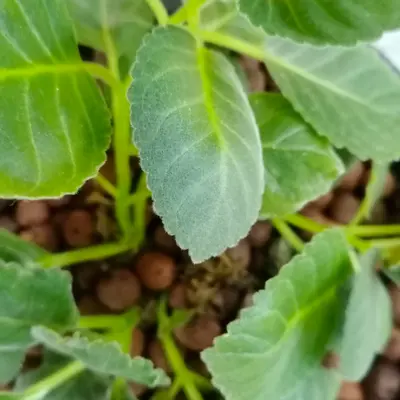
A treasured heirloom wax bean dating back to the 1890s, Pencil Pod Black Wax produces beautiful golden-yellow pods that are perfectly round and stringless. This reliable bush variety offers exceptional flavor and tender texture, making it a favorite among gardeners who appreciate both historical significance and superior eating quality. The bright yellow pods are easy to spot for harvesting and add vibrant color to garden beds.
Harvest
52-57d
Days to harvest
Sun
Full sun
Zones
2–11
USDA hardiness
Difficulty
Easy
Planting Timeline
Showing dates for Pencil Pod Black Wax Bean in USDA Zone 7
All Zone 7 bean →Zone Map
Click a state to update dates
Pencil Pod Black Wax Bean · Zones 2–11
Growing Details
Succession Planting
Direct sow every 10-14 days starting around April 1 in zone 7, and keep going through mid-June. At 52-57 days to harvest, your first sowing comes in around late May or early June, the second follows two weeks behind it, and so on. That spacing keeps you from drowning in wax beans one week and having a bare patch the next.
Stop sowing by late June. Bean blossoms drop before they set once daytime highs are consistently above 90°F, and Georgia summers hit that threshold reliably by mid-July. A late-June sowing will still yield in late August as temperatures ease off, but anything put in the ground during July on this variety is a gamble not worth taking.
Complete Growing Guide
Pencil Pod Black Wax beans are best started by direct sowing seeds into the garden after all danger of frost has passed and soil temperatures have reached at least 60°F, ideally 70°F or warmer. Unlike some bean varieties that tolerate cool soil, this heirloom cultivar germinates slowly and may rot if planted too early. Wait until one to two weeks after your last spring frost date, when the soil has warmed sufficiently. You can start seeds indoors three to four weeks before your last frost if you prefer, but direct sowing is typically more successful since beans dislike transplanting and recover quickly in warm ground.
Prepare your garden bed by working in compost or well-rotted organic matter to improve soil structure and drainage. Pencil Pod Black Wax prefers fertile, well-draining soil with a pH between 6.0 and 7.0. Space plants eight inches apart in rows that are eighteen to twenty-four inches apart, allowing adequate airflow around the compact bush plants. Sow seeds one and a half inches deep, pressing seeds firmly into contact with moist soil. Thin seedlings to the proper spacing once they've developed their first true leaves.
Plant in full sun, providing at least six hours of direct sunlight daily for optimal pod production and flavor development. Keep soil consistently moist but not waterlogged throughout the growing season, providing approximately one inch of water weekly through rainfall or irrigation. Mulch around plants with two to three inches of organic material to retain moisture and regulate soil temperature. Feed your plants lightly with a balanced fertilizer once flowers appear, then again mid-season if growth appears sluggish. Avoid excessive nitrogen, which promotes leafy growth at the expense of pod production.
This heirloom variety is particularly susceptible to bean leaf beetles, which can appear suddenly and cause significant damage. Scout plants regularly and handpick beetles in early morning, or use row covers during the vulnerable seedling stage. Watch for aphids clustering on new growth; a strong spray of water often dislodges infestations. Monitor foliage closely for rust, which appears as yellow spots with brown centers, and bacterial blight, which causes brown lesions with yellow halos. Remove affected leaves promptly and ensure excellent air circulation through proper spacing.
Many gardeners mistakenly allow Pencil Pod Black Wax beans to mature fully on the plant before harvesting. This variety produces the most tender, flavorful pods when picked at the pencil-thin stage, just as pods reach six to seven inches long and before they begin to thicken or yellow. Regular harvesting encourages continued pod production throughout the fifty-two to fifty-seven day growing window. Succession plant seeds every two weeks for continuous harvests through summer, stopping planting sixty days before your first expected fall frost.
Harvesting
Harvest Pencil Pod Black Wax beans when the pods reach 5-6 inches long and display a bright, uniform golden-yellow color with a slight give when gently squeezed, indicating peak tenderness and flavor. The pods should snap crisply when bent and feel firm but not hard or bulging with mature seeds. Practice continuous harvesting every 2-3 days rather than waiting for a single large picking, as regular removal encourages the plant to produce more flowers and extends the productive season. Check plants in early morning when pods are fully hydrated for the best eating quality and to avoid damaging tender vines during harvest.
The boat-shaped seed pods are bilaterally symmetrical and can be green, yellow, white, or purple at maturity. There is a wide variety of color and shape choices among cultivars.
Color: Gold/Yellow, Green, Purple/Lavender, White. Type: Legume. Length: > 3 inches. Width: < 1 inch.
Garden value: Edible, Good Dried
Harvest time: Fall, Summer
Storage & Preservation
Fresh Pencil Pod Black Wax beans stay crisp for 4-5 days when stored unwashed in perforated plastic bags in the refrigerator crisper drawer. Avoid storing at room temperature, as pods become limp and lose sweetness within 24 hours.
For freezing, blanch whole pods in boiling water for 3 minutes, then immediately plunge into ice water. Drain thoroughly and freeze in sealed bags for up to 8 months. The stringless quality makes these beans perfect for freezing without pre-processing.
Pressure can using standard green bean processing times (20 minutes at 10 pounds pressure for pints). These tender pods also excel at quick pickling—their golden color creates beautiful pickled beans that maintain crunch better than green varieties.
For dried beans, allow pods to turn brown and papery on the plant, then harvest the mature black seeds inside for winter storage. Shell immediately and store in airtight containers for up to 2 years.
History & Origin
Pencil Pod Black Wax Bean emerged during the late nineteenth century as part of the broader diversification of wax bean varieties that followed the introduction of wax beans to American gardeners in the 1870s. While specific breeder attribution remains undocumented, this variety represents a significant development within the heirloom bean tradition, likely refined through careful selection within seed-saving communities rather than formal institutional breeding programs. The variety gained prominence among American gardeners by the 1890s and became established in seed catalogs, where it has remained a consistent offering through successive generations. Its development reflects the era's emphasis on creating improved culinary bean varieties with enhanced pod quality and stringless characteristics.
Origin: Tropical America
Advantages
- +Historic heirloom variety with proven reliability since the 1890s
- +Stringless pods with mild, sweet flavor and tender texture
- +Quick maturity in just 52-57 days from planting
- +Bright yellow pods are easy to spot during harvest
- +Beautiful golden color adds ornamental appeal to garden beds
Considerations
- -Susceptible to rust, bacterial blight, and white mold diseases
- -Vulnerable to bean leaf beetles and aphids requiring management
- -Bush variety produces lower yields compared to pole beans
Companion Plants
Marigolds and nasturtiums are the two companions worth planting close to Pencil Pod wax beans. French marigolds (Tagetes patula) emit thiophenes from their roots that suppress root-knot nematodes in the soil — not magic, but a documented mechanism, and one that actually matters in a bed you're cycling beans through year after year. Nasturtiums work as a trap crop: aphids prefer them over beans, and a border planting can pull an infestation away from your pods before it gets established. In our zone 7 Georgia garden, where aphid pressure picks up fast once April temperatures start climbing, I plant a row of nasturtiums at the bed edge every season and just let the aphids have them.
Corn and summer squash make good structural neighbors. Beans fix nitrogen through Rhizobium bacteria in their root nodules, and corn is a heavy feeder that draws on that. Squash's wide leaves shade the soil underneath, which cuts moisture loss and slows weed germination — both worth something once July heat sets in. Radishes interplanted at 6-inch spacing can deter bean leaf beetles (Cerotoma trifurcata) somewhat, and they're out of the ground in 25-30 days, so the root competition is brief.
Onions, garlic, and fennel are the ones to keep at a distance. Alliums release sulfur compounds that interfere with the nitrogen-fixing Rhizobium bacteria in bean root nodules — you'd be undermining the main soil-building reason to grow legumes in the first place. Fennel is broadly allelopathic and inhibits germination and growth of most vegetables; it doesn't belong in a mixed bed with much of anything.
Plant Together
Marigold
Repels Mexican bean beetles, aphids, and nematodes
Nasturtium
Acts as trap crop for aphids and cucumber beetles, repels bean beetles
Corn
Provides natural trellis support for climbing beans in three sisters planting
Summer Squash
Large leaves provide ground cover and moisture retention, completes three sisters guild
Carrots
Beans fix nitrogen which benefits carrots, different root depths reduce competition
Cucumber
Both benefit from similar growing conditions and beans provide nitrogen
Radish
Quick-growing radishes break up soil for bean roots and deter bean beetles
Rosemary
Strong scent repels Mexican bean beetles and carrot flies
Keep Apart
Onion
Inhibits bean growth and nitrogen fixation through allelopathic compounds
Garlic
Stunts bean growth and interferes with beneficial rhizobia bacteria
Fennel
Allelopathic chemicals inhibit germination and growth of beans
Nutrition Facts
Per 100g serving. % Daily Value based on 2,000 calorie diet. Source: USDA FoodData Central (FDC #2346400)
Pests & Disease Resistance
Resistance
Moderate disease resistance typical of heirlooms
Common Pests
Bean leaf beetles, aphids
Diseases
Rust, bacterial blight, white mold
Troubleshooting Pencil Pod Black Wax Bean
What you'll see, why it happens, and what to do about it.
Leaves with ragged chunks missing, sometimes entire leaf margins eaten, visible on plants around 4-7 weeks after sowing
Likely Causes
- Bean leaf beetle (Cerotoma trifurcata) — adults chew irregular holes and can defoliate young plants fast
- Mexican bean beetle (Epilachna varivestis) — skeletonizes leaves from the underside, leaving a lacy appearance
What to Do
- 1.Hand-pick beetles and egg clusters (yellow, football-shaped clusters on leaf undersides) in the morning when they're sluggish
- 2.Row cover at planting keeps adults off entirely — just remove it once flowers open so pollinators can get in
- 3.The UGA Pest Management Handbook lists spinosad as an organic option if populations are heavy enough to warrant it
Small reddish-brown pustules on the undersides of leaves, with yellowish halos on the upper surface, usually mid-season
Likely Causes
- Bean rust (Uromyces appendiculatus) — a fungal disease that spreads fast in warm, humid conditions, especially after overhead irrigation or rain
What to Do
- 1.Switch to drip or soaker-hose irrigation — getting water on the foliage is what keeps rust cycling through a planting
- 2.Pull and trash (don't compost) heavily infected leaves as soon as you see them
- 3.Rotate beans out of the same bed for at least 2 seasons; NC State Extension's IPM materials specifically flag repeated planting in the same spot as the setup for this kind of disease buildup
Water-soaked spots on leaves and pods that turn brown and papery, sometimes with a yellow halo; pods may look greasy or shriveled
Likely Causes
- Bacterial blight (Pseudomonas syringae pv. phaseolicola or Xanthomonas axonopodis pv. phaseoli) — spreads through rain splash and working the plants when wet
- White mold (Sclerotinia sclerotiorum) — cottony white growth at the base of stems or on pods, especially in damp, crowded plantings
What to Do
- 1.Stay out of the bean rows when the foliage is wet — bacterial blight moves on your hands and tools as easily as it moves in rain splash
- 2.Thin to at least 4 inches between plants and keep weeds down to improve airflow through the canopy
- 3.Don't save seed from any plant that showed blight symptoms — start with certified clean seed next season
Frequently Asked Questions
How long do Pencil Pod Black Wax beans take to grow?▼
Are Pencil Pod Black Wax beans good for beginners?▼
Can you grow Pencil Pod Black Wax beans in containers?▼
What do Pencil Pod Black Wax beans taste like?▼
When should I plant Pencil Pod Black Wax beans?▼
What's the difference between Pencil Pod Black Wax and regular green beans?▼
Zone-by-Zone Planting Calendar
| Zone | Indoor Start | Transplant | Direct Sow | Harvest |
|---|---|---|---|---|
| Zone 1 | — | — | July – August | September – August |
| Zone 2 | — | — | June – August | September – September |
| Zone 11 | — | — | January – March | April – May |
| Zone 12 | — | — | January – March | April – May |
| Zone 13 | — | — | January – March | April – May |
| Zone 3 | — | — | June – July | August – October |
| Zone 4 | — | — | June – July | August – October |
| Zone 5 | — | — | May – June | August – September |
| Zone 6 | — | — | May – June | July – September |
| Zone 7 | — | — | April – June | July – August |
| Zone 8 | — | — | April – May | June – August |
| Zone 9 | — | — | March – April | May – July |
| Zone 10 | — | — | February – April | May – June |
Growing Guides from Wind River Greens
Sources & References
External authority sources used in compiling this guide.
See the Methodology page for how this data is sourced, what's AI-assisted, and known limitations.