Northeaster
Phaseolus vulgaris
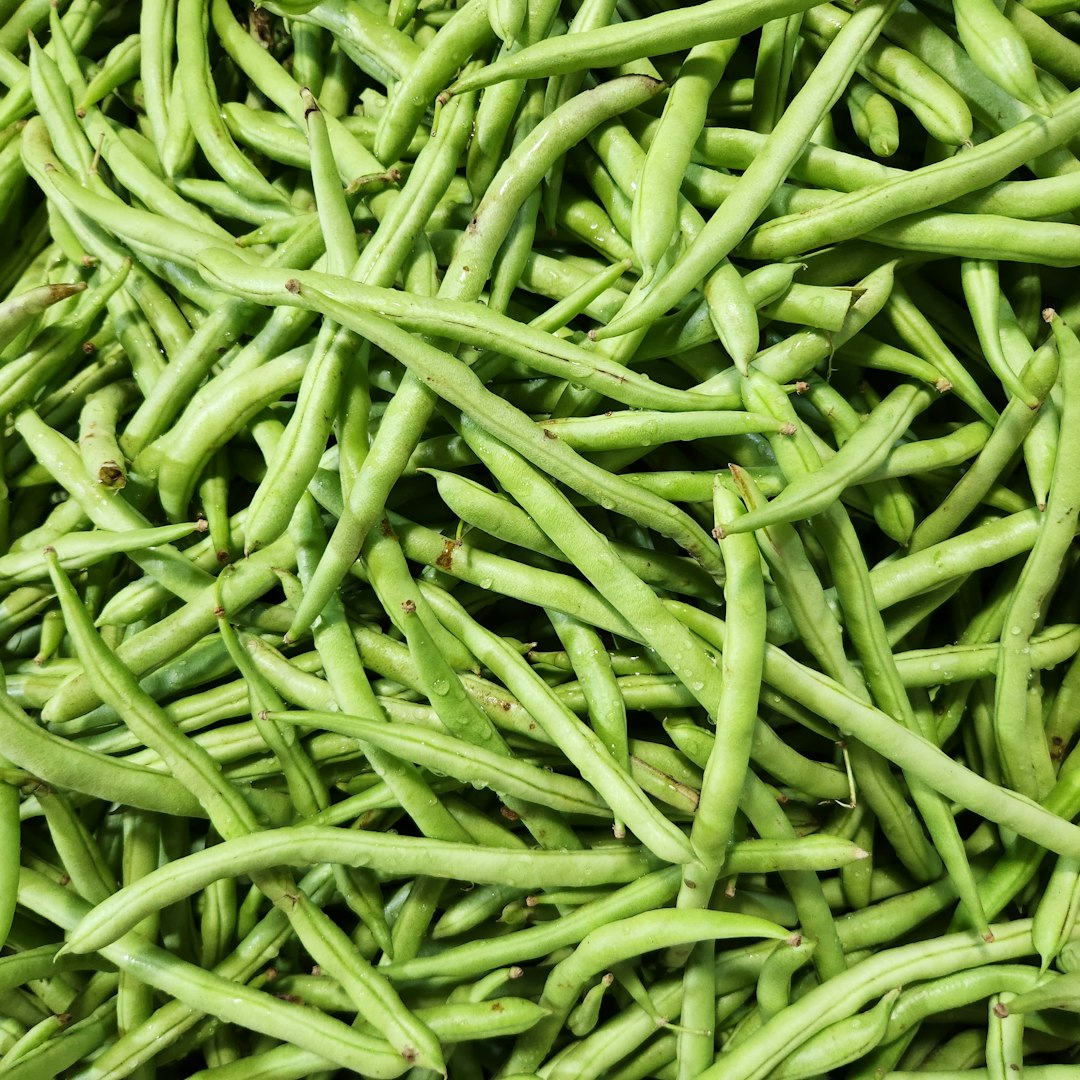
This early maturing Roma-type pole bean has a deliciously rich, sweet flavor. The 8" long, 1" wide, flat green pods are stringless and stay tender for long periods. Extra vigorous in the seedling stage with strong vine growth. white seeds. Pole bean; requires trellising.
Harvest
56d
Days to harvest
Sun
Full sun
Zones
2–11
USDA hardiness
Height
6-8 feet
Planting Timeline
Showing dates for Northeaster in USDA Zone 7
All Zone 7 bean →Zone Map
Click a state to update dates
Northeaster · Zones 2–11
Growing Details
Succession Planting
Direct sow Northeaster every 14–18 days from your last frost date through mid-June — in zone 7, that's roughly late March or early April through June 15. Each sowing runs about 56 days to harvest, so a mid-June planting should finish before a mid-October frost. Stop when daytime highs are consistently above 90°F; bean blossoms drop without setting pods at that temperature, and you'll burn through seed for nothing.
Don't count on a late-summer sowing to catch a fall harvest unless your first frost falls reliably after October 15. Beans need 1 to 1.5 inches of water per week through flowering and pod fill, and August drought stress will gut your yield before the pods size up. Three successive sowings is a realistic ceiling for most seasons.
Complete Growing Guide
Direct sowing Northeaster beans into the garden after your last spring frost is the preferred method, though you may start seeds indoors 3-4 weeks before your frost date if you want an earlier harvest. Because this variety shows exceptional vigor in the seedling stage, indoor starts rarely provide significant advantage over direct sowing. Plant seeds directly into warm soil—ideally 60°F or warmer—about one inch deep, spacing them 4-6 inches apart along your trellis or support structure. Succession planting every two weeks until mid-summer will extend your harvest through fall, taking advantage of Northeaster's relatively quick 56-day maturity.
Prepare your soil with plenty of organic matter before planting, aiming for well-draining beds rich in compost. While pole beans are relatively undemanding, Northeaster's vigorous growth benefits from soil with good structure. Space rows 18-24 inches apart to allow adequate air circulation around the vines, which helps prevent moisture-related issues. This variety requires sturdy trellising—think 6-foot stakes, cages, or string systems—and you should install supports before or immediately after planting to avoid damaging roots later.
Water consistently throughout the growing season, providing about one inch per week through rainfall or irrigation. Keep moisture even but not waterlogged; Northeaster's dense foliage can trap humidity, so soaking the base in early morning is preferable to overhead watering. Feed plants lightly when they begin flowering with a balanced fertilizer, though excessive nitrogen will push foliage at the expense of pod production. Since beans fix their own nitrogen, heavy feeding isn't necessary.
Watch closely for bean beetles, which are particularly attracted to pole beans and can devastate foliage quickly. Scout plants regularly and hand-pick beetles and orange egg clusters from leaf undersides; early intervention prevents severe infestations. Rust and powdery mildew can occasionally trouble Northeaster, especially in humid conditions, so maintain good air circulation around the vines and avoid wetting leaves during irrigation. Remove any yellowing or spotted leaves promptly.
The critical technique gardeners often overlook with Northeaster is proper trellising training. This variety's extra vigor means vines will grow vigorously but can become tangled and difficult to harvest if not guided regularly onto supports during the first few weeks. Gently train new growth onto your structure every few days in early growth stages, and the plants will climb cooperatively. Without this early attention, you'll spend frustrating hours untangling vines at harvest time.
Pick pods when they reach 8 inches long and are still tender; Northeaster's stringless pods remain harvestable over an extended period. Regular picking encourages continued production, so check plants every 2-3 days once fruiting begins. Proper harvesting technique—supporting the vine while picking—prevents accidental vine damage that could reduce yields.
Harvesting
Northeaster reaches harvest at 56 days from sowing per Johnny's Selected Seeds. Expect 8" at peak. As an annual, harvest continues until frost ends the season.
The boat-shaped seed pods are bilaterally symmetrical and can be green, yellow, white, or purple at maturity. There is a wide variety of color and shape choices among cultivars.
Color: Gold/Yellow, Green, Purple/Lavender, White. Type: Legume. Length: > 3 inches. Width: < 1 inch.
Garden value: Edible, Good Dried
Harvest time: Fall, Summer
Storage & Preservation
Store freshly harvested Northeaster pods in perforated plastic bags in the refrigerator at 40–45°F with 90–95% humidity; they'll keep for 5–7 days. For longer storage, freezing is ideal: blanch whole or cut pods for 3 minutes, cool immediately in ice water, drain well, and freeze in airtight containers or bags for up to 10 months. Drying also works well—spread pods on screens in a warm, airy space until brittle, then store in sealed jars. Canning is possible but requires pressure canning for safety. If saving seed, allow pods to mature fully on the plant, then dry completely indoors before shelling and storing in cool, dry conditions. Northeaster's relatively thin pods make them excellent candidates for freezing whole, as they thaw with minimal texture loss.
History & Origin
Northeaster is open-pollinated, meaning seed saved from healthy plants will produce true-to-type offspring. Listed in the Johnny's Selected Seeds catalog.
Origin: Tropical America
Advantages
- +Early 56-day maturity provides harvest before late-season pest pressure
- +Stringless flat pods stay tender longer than typical pole varieties
- +Rich, sweet flavor makes Northeaster superior for fresh eating
- +Vigorous seedling growth ensures reliable establishment in gardens
Considerations
- -Requires sturdy trellising structure; pole beans need consistent support system
- -Long 8-inch pods may be challenging to cook uniformly
- -Vigorous vines demand regular maintenance and careful pruning management
Companion Plants
Marigolds — French marigolds (Tagetes patula) in particular — deter aphids and bean beetles through scent; plant a cluster every 2–3 feet along the trellis base rather than scattering them randomly. Corn, beans, and squash work together as a functional system: Northeaster's roots fix atmospheric nitrogen via Rhizobium bacteria, feeding the corn without any added fertilizer, while squash leaves cover the soil at 12–18 inches wide and shut out weeds. Summer savory has a specific reputation for repelling bean beetles and takes up almost no space — tuck a few plants at the trellis ends. Keep onions and garlic at least 3 feet away; their root exudates suppress the same Rhizobium bacteria that give beans their nitrogen-fixing value.
Plant Together
Marigolds
Repel bean beetles, aphids, and nematodes while attracting beneficial insects
Carrots
Help break up soil for bean roots and don't compete for nutrients
Corn
Provides natural trellis support for climbing beans in three sisters planting
Squash
Ground cover suppresses weeds and retains moisture, completes three sisters guild
Nasturtiums
Act as trap crop for aphids and cucumber beetles, attract predatory insects
Summer Savory
Repels bean beetles and aphids, may improve bean flavor when planted nearby
Radishes
Break up compacted soil and mature quickly without competing for space
Catnip
Deters bean beetles, aphids, and ants through strong aromatic compounds
Keep Apart
Onions
Can inhibit bean growth and nitrogen fixation through allelopathic compounds
Garlic
May stunt bean growth and interfere with beneficial rhizobia bacteria
Sunflowers
Compete heavily for nutrients and water, can shade out bean plants
Nutrition Facts
Per 100g serving. % Daily Value based on 2,000 calorie diet. Source: USDA FoodData Central (FDC #2346400)
Pests & Disease Resistance
Common Pests
Bean beetles, spider mites, aphids, thrips
Diseases
Powdery mildew, rust, bean mosaic virus, anthracnose
Troubleshooting Northeaster
What you'll see, why it happens, and what to do about it.
Leaf edges and chunks missing, leaves partially skeletonized — noticed around week 5–7
Likely Causes
- Mexican bean beetle (Epilachna varivestis) — adults and larvae both feed on leaf tissue from the underside
- Bean leaf beetle (Cerotoma trifurcata) — chews irregular holes, especially on younger leaves
What to Do
- 1.Flip leaves and hand-pick egg clusters (yellow, upright ovals in tight groups) and larvae; drop them in soapy water
- 2.Spray neem oil or spinosad on leaf undersides early morning — repeat every 7 days until pressure drops
- 3.Rotate this bed out of beans for at least 2 seasons; UGA Extension flags Mexican bean beetle as a top-10 priority to catch before populations build
White powdery coating spreading across upper leaf surfaces in mid-summer
Likely Causes
- Powdery mildew (Erysiphe polygoni) — fungal spores spread by wind, thrives when warm days follow cool nights
- Dense canopy on a 6–8 ft trellis that limits airflow between vines
What to Do
- 1.Remove heavily coated leaves immediately and bag them — don't compost
- 2.Apply potassium bicarbonate or dilute neem solution (2 tsp per quart of water) to remaining foliage every 5–7 days
- 3.Train vines as they climb so they don't clump together; 4-inch spacing along the trellis is the minimum — closer than that and you're asking for trouble
Orange-brown pustules on leaf undersides with corresponding yellow spots on top, spreading fast in humid weather
Likely Causes
- Bean rust (Uromyces appendiculatus) — moves rapidly when temperatures stay above 60°F and leaves stay wet
- Overhead watering or rain that leaves foliage damp for hours at a stretch
What to Do
- 1.Strip and trash infected leaves at the first sign of pustules — waiting even a few days lets spores spread to healthy foliage
- 2.Switch to drip or soaker irrigation at 1 to 1.5 inches per week so leaves stay dry
- 3.NC State Extension's diagnostic guidance on pole beans notes that planting beans in the same spot for 5+ consecutive years builds up residue-borne inoculum — rotate legumes out of any bed where rust keeps returning
Mottled yellow-green mosaic on leaves, stunted growth, pods misshapen or failing to fill
Likely Causes
- Bean common mosaic virus (BCMV) — transmitted by aphids feeding on infected plants nearby
- Aphid colonies left unmanaged early in the season before the virus spreads
What to Do
- 1.No cure once infected — pull and bag symptomatic plants promptly to reduce aphid-driven spread to healthy vines
- 2.Knock back aphid populations with a firm water spray or insecticidal soap every 3–4 days during active pressure
- 3.Start next season with certified disease-free seed; Northeaster carries some field tolerance to BCMV, but clean seed is still the most reliable starting point
Frequently Asked Questions
How long does Northeaster pole bean take to grow?▼
Is Northeaster pole bean good for beginners?▼
Can you grow Northeaster bean in containers?▼
What does Northeaster pole bean taste like?▼
When should I plant Northeaster pole beans?▼
How do you know when Northeaster beans are ready to pick?▼
Zone-by-Zone Planting Calendar
| Zone | Indoor Start | Transplant | Direct Sow | Harvest |
|---|---|---|---|---|
| Zone 3 | — | — | June – July | August – October |
| Zone 4 | — | — | June – July | August – October |
| Zone 5 | — | — | May – June | August – September |
| Zone 6 | — | — | May – June | July – September |
| Zone 7 | — | — | April – June | July – August |
| Zone 8 | — | — | April – May | June – August |
| Zone 9 | — | — | March – April | May – July |
| Zone 10 | — | — | February – April | May – June |
| Zone 1 | — | — | July – August | September – August |
| Zone 2 | — | — | June – August | September – September |
| Zone 11 | — | — | January – March | April – May |
| Zone 12 | — | — | January – March | April – May |
| Zone 13 | — | — | January – March | April – May |
Growing Guides from Wind River Greens
Sources & References
External authority sources used in compiling this guide.
- BreederJohnny's Selected Seeds
- USDAUSDA FoodData Central
See the Methodology page for how this data is sourced, what's AI-assisted, and known limitations.