Monte Gusto
Phaseolus vulgaris
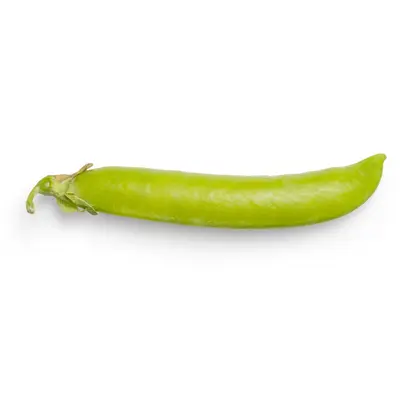
This elegant, flavorful wax bean is a clear improvement over older varieties. Pods mature at 8-8 1/2" but may also be harvested as very attractive filet beans at 7". Better-tasting than bush wax beans. Brown seeds. Pole bean; requires trellising.
Harvest
58d
Days to harvest
Sun
Full sun
Zones
2–11
USDA hardiness
Height
6-8 feet
Planting Timeline
Showing dates for Monte Gusto in USDA Zone 7
All Zone 7 bean →Zone Map
Click a state to update dates
Monte Gusto · Zones 2–11
Growing Details
Succession Planting
Direct sow Monte Gusto every 14 to 21 days starting when soil hits 60°F — in zone 7, that's typically early April through early June. Each planting gives you a focused harvest window around 58 days out, so staggering keeps fresh beans coming rather than everything hitting at once. The UGA Vegetable Garden Calendar notes a third planting in May as standard practice for snap beans, and that tracks well here.
Stop sowing by late June in most zones. Beans set pods poorly once daytime highs are consistently above 90°F, and germination in hot, dry soil is unreliable anyway. If you want a fall run, count back 58 days from your first expected frost date and sow then — soil temps in early August are usually still warm enough to get seeds up in 7 to 10 days.
Complete Growing Guide
Monte Gusto beans thrive when direct seeded into warm soil after all danger of frost has passed. Unlike many beans that can tolerate cool soil, this pole variety germinates best when soil temperatures reach at least 60°F, ideally 70°F or warmer. Count back 58 days from your target harvest date, then sow seeds directly into the garden once nighttime temperatures stay consistently above 50°F and your last frost date has safely passed. There's no advantage to starting Monte Gusto indoors, as the young transplants often struggle with the transition, and direct seeding produces stronger, more vigorous plants.
Prepare your planting area with well-draining soil enriched with compost or aged manure worked in several weeks before planting. Monte Gusto prefers soil with a pH between 6.0 and 7.0. Space seeds 4 to 6 inches apart along your trellis line, planting them 1 inch deep. Since this is a pole bean, install sturdy trellising—whether stakes, cages, or twine strung between posts—before sowing. The plants will need something to climb from the start, and attempting to add support later risks damaging developing roots.
Water consistently throughout the season, providing about 1 to 1.5 inches weekly through rain or irrigation. Monte Gusto performs poorly under drought stress and will drop flowers if conditions become too dry during flowering. Keep soil evenly moist but not waterlogged. Avoid overhead watering late in the day, as wet foliage can encourage fungal issues. A balanced fertilizer applied every three to four weeks supports steady growth and pod development, though excessive nitrogen promotes leafy growth at the expense of bean production.
Watch particularly for spider mites on Monte Gusto, which this variety seems to attract more readily than many bush bean varieties. Check the undersides of leaves regularly for fine webbing and tiny moving specks. Early detection allows you to blast mites away with a strong water spray before infestations spiral. This cultivar is generally resistant to common bean diseases, but powdery mildew can appear in humid conditions—ensure good air circulation around the vines and avoid crowding plants.
The one technique gardeners frequently overlook with Monte Gusto is proper pruning of the growing tip once the vine reaches the top of its trellis. Pinching off the terminal growth redirects energy into pod production rather than continued vine extension, significantly increasing your yield. Pinch when the vine is about 6 inches from the top of your support structure.
For continuous harvest through the season, consider succession planting every two to three weeks until mid-summer, allowing you to enjoy Monte Gusto's superior flavor and tender filet-size pods well into fall. Pick regularly at 7 inches for delicate filet beans or wait until 8 to 8.5 inches for fully mature pods, as frequent harvesting encourages the plant to produce more flowers.
Harvesting
Monte Gusto reaches harvest at 58 days from sowing per Johnny's Selected Seeds. Expect 8-8 1/2" at peak. As an annual, harvest continues until frost ends the season.
The boat-shaped seed pods are bilaterally symmetrical and can be green, yellow, white, or purple at maturity. There is a wide variety of color and shape choices among cultivars.
Color: Gold/Yellow, Green, Purple/Lavender, White. Type: Legume. Length: > 3 inches. Width: < 1 inch.
Garden value: Edible, Good Dried
Harvest time: Fall, Summer
Storage & Preservation
Monte Gusto beans are best stored fresh in a breathable container—a paper bag or mesh produce bag works well—kept at 45–50°F with moderate humidity. They'll stay crisp for 5–7 days under these conditions. For longer storage, freezing is your most practical option: blanch pods for 3 minutes, shock in ice water, drain thoroughly, and freeze in airtight bags for up to 10 months. Drying also preserves them effectively; allow mature pods to dry fully on the plant or indoors, shell out the seeds, and store in a cool, dry place for several years. Canning is possible but requires pressure canning due to low acidity. These beans develop their best flavor when harvested at the tender 58-day mark rather than left to mature fully, so eat fresh or preserve promptly for superior results.
History & Origin
Monte Gusto is open-pollinated, meaning seed saved from healthy plants will produce true-to-type offspring. Listed in the Johnny's Selected Seeds catalog.
Origin: Tropical America
Advantages
- +Elegant appearance makes Monte Gusto visually attractive in gardens and markets
- +Superior flavor profile compared to standard bush wax bean varieties
- +Versatile harvest window allows picking as filet or mature beans
- +Early maturity at 58 days provides quicker returns than many pole varieties
- +Brown seeds indicate excellent storage and seed-saving potential
Considerations
- -Requires trellising infrastructure, adding setup time and garden complexity
- -Pole bean growth habit demands more space and maintenance than bush types
- -Limited yield per plant compared to some high-production bean varieties
Companion Plants
Summer savory is the companion most bean growers swear by, and it holds up under scrutiny. It's said to deter the Mexican bean beetle (Epilachna varivestis) — the pest that can skeletonize a planting in under two weeks — and its low, bushy habit fits neatly at the base of the trellis without blocking the light that 6-to-8-foot vines need. Marigolds (Tagetes spp.) pull similar duty against aphids and soil nematodes; put them at the row ends where they get full sun and stay out of the root zone. Nasturtiums are worth a row nearby as a trap crop — aphids hit them before the beans, which buys you a few days of early warning and a target you can pull and discard without losing yield.
Corn is the pairing with the most practical logic behind it. Beans fix atmospheric nitrogen through rhizobia bacteria in their roots, which feeds the corn over the season, and the cornstalks double as a living trellis. Radishes fit neatly as an interplant because their 25-to-30-day harvest cycle clears them out before Monte Gusto needs the full bed — and they can disrupt some soil insects while they're at it.
Garlic and onions are the ones to avoid. Alliums produce sulfur compounds that interfere with the rhizobia bacteria responsible for nitrogen fixation in bean roots — which undercuts one of the main reasons to grow beans in a rotation in the first place. Sunflowers are less of an acute problem, but their root exudates can suppress bean germination, and any plant hitting 8 to 10 feet tall will shade a bean trellis hard by midsummer. Give them at least 10 feet of separation.
Plant Together
Marigolds
Repel aphids, whiteflies, and nematodes while attracting beneficial insects
Basil
Deters aphids and spider mites, may enhance bean flavor
Carrots
Help loosen soil for bean roots and don't compete for nutrients
Radishes
Break up compacted soil and deter cucumber beetles
Nasturtiums
Act as trap crops for aphids and cucumber beetles
Summer Savory
Improves bean growth and flavor while repelling bean beetles
Corn
Provides natural support structure for climbing beans
Lettuce
Benefits from bean shade and nitrogen fixation
Keep Apart
Garlic
May stunt bean growth and reduce yields
Sunflowers
Compete heavily for nutrients and may release growth inhibitors
Onions
Can inhibit bean growth and nitrogen fixation
Nutrition Facts
Per 100g serving. % Daily Value based on 2,000 calorie diet. Source: USDA FoodData Central (FDC #2346400)
Pests & Disease Resistance
Common Pests
Bean beetles, aphids, spider mites
Diseases
Bacterial blight, powdery mildew, anthracnose
Troubleshooting Monte Gusto
What you'll see, why it happens, and what to do about it.
Leaves with irregular chunks missing, ragged edges, and small round holes — noticed around week 5 to 7
Likely Causes
- Mexican bean beetle (Epilachna varivestis) — larvae and adults both feed on leaf tissue, skeletonizing leaves from the underside
- Bean leaf beetle (Cerotoma trifurcata) — chews clean round holes through leaves
What to Do
- 1.Check the undersides of leaves for yellow egg clusters or soft yellow larvae and crush them by hand
- 2.Pick adult beetles off in the early morning when they're slow; drop them in soapy water
- 3.Apply spinosad or pyrethrin as a last resort if populations are heavy — spray in the evening to limit pollinator contact
Leaves curling and stippled with tiny pale dots, fine webbing visible on undersides in hot, dry stretches
Likely Causes
- Spider mites (Tetranychus urticae) — thrive in hot, dry conditions above 85°F and are often worse after broad-spectrum insecticide use kills off their natural predators
What to Do
- 1.Spray plants forcefully with water to dislodge mites — hit the undersides especially
- 2.Apply insecticidal soap or neem oil every 5 to 7 days until stippling stops spreading
- 3.Keep soil moisture consistent; drought-stressed plants attract mite outbreaks faster than well-watered ones
Water-soaked spots on leaves that turn brown and papery with yellow halos, sometimes with lesions on pods too
Likely Causes
- Bacterial blight (Xanthomonas axonopodis pv. phaseoli) — spreads by rain splash, overhead irrigation, and moving through the garden when plants are wet
- Planting beans in the same bed for multiple consecutive years, which lets the pathogen build up in soil and debris
What to Do
- 1.Stop working around the plants when foliage is wet — you spread it on your hands and tools
- 2.Remove and bag (don't compost) heavily infected leaves and pods
- 3.Rotate beans out of this bed for at least 2 seasons; NC State Extension's diagnostic guidance specifically flags multi-year same-spot planting as a risk factor
White powdery coating on upper leaf surfaces, usually appearing in mid to late summer as nights cool slightly
Likely Causes
- Powdery mildew (Erysiphe polygoni) — favors warm days with cool, humid nights and spreads by airborne spores; dense plantings make it worse
- Crowded canopy on 6-to-8-foot vines that traps humidity between plants
What to Do
- 1.Space plants at least 6 inches apart and keep the trellis open so air moves through — vines at this height mat together quickly if you let them
- 2.Remove affected leaves and apply potassium bicarbonate or diluted neem oil at first sign
- 3.At season's end, pull and dispose of all plant debris — the fungus overwinters on dead tissue
Frequently Asked Questions
How long does it take Monte Gusto beans to mature?▼
Is Monte Gusto a good bean variety for beginners?▼
Can you grow Monte Gusto beans in containers?▼
What does Monte Gusto taste like?▼
How much sun does Monte Gusto need?▼
What is the difference between Monte Gusto and standard wax beans?▼
Zone-by-Zone Planting Calendar
| Zone | Indoor Start | Transplant | Direct Sow | Harvest |
|---|---|---|---|---|
| Zone 3 | — | — | June – July | August – October |
| Zone 4 | — | — | June – July | August – October |
| Zone 5 | — | — | May – June | August – September |
| Zone 6 | — | — | May – June | July – September |
| Zone 7 | — | — | April – June | July – August |
| Zone 8 | — | — | April – May | June – August |
| Zone 9 | — | — | March – April | May – July |
| Zone 10 | — | — | February – April | May – June |
| Zone 1 | — | — | July – August | September – August |
| Zone 2 | — | — | June – August | September – September |
| Zone 11 | — | — | January – March | April – May |
| Zone 12 | — | — | January – March | April – May |
| Zone 13 | — | — | January – March | April – May |
Growing Guides from Wind River Greens
Sources & References
External authority sources used in compiling this guide.
- BreederJohnny's Selected Seeds
- USDAUSDA FoodData Central
See the Methodology page for how this data is sourced, what's AI-assisted, and known limitations.