Maxibel
Phaseolus vulgaris
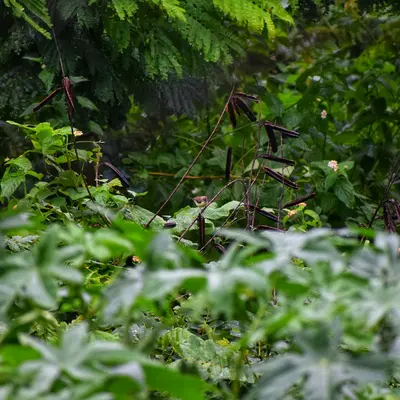
High yields of slender, 7" green pods. Extended pod set. Brown mottled seeds. Bush bean.
Harvest
50d
Days to harvest
Sun
Full sun
Zones
2–11
USDA hardiness
Height
12-18 inches
Planting Timeline
Showing dates for Maxibel in USDA Zone 7
All Zone 7 bean →Zone Map
Click a state to update dates
Maxibel · Zones 2–11
Growing Details
Succession Planting
Direct sow Maxibel every 14–16 days from your last frost date through early July. In zone 7, that's roughly April 1 through July 4 — three or four rounds if you start on time. Each sowing hits its 50-day harvest window before the next one is ready, so you get a steady run of pods rather than a glut all at once. The UGA Vegetable Garden Calendar confirms third plantings of snap beans in May, which lines up exactly with this cadence.
Stop sowing once daytime highs are consistently above 90°F — bean blossoms drop in that heat and pods set poorly or not at all. If you want to squeeze in a late planting in early August, count back 50 days from your first fall frost date to make sure the crop has time to finish.
Complete Growing Guide
Maxibel beans perform best when direct sown into the garden after all danger of frost has passed and soil temperatures reach at least 60°F, ideally 70°F or warmer. Unlike some bean varieties that tolerate cool soil, Maxibel germinates quickly and reliably only in warm conditions, so patience pays off. Count back 50 days from your first expected frost date to determine your ideal planting window, which typically falls in late spring to early summer depending on your climate. Starting seeds indoors is unnecessary and often counterproductive since beans dislike root disturbance; direct sowing gives you the healthiest, most vigorous plants.
Prepare your planting bed by working in compost or aged manure to improve soil structure and drainage. Maxibel prefers well-draining soil with a pH between 6.0 and 7.0. Sow seeds 1.5 inches deep and 4 to 6 inches apart in rows spaced 18 to 24 inches apart. This spacing is crucial for Maxibel's extended pod set—the variety's defining characteristic—since good air circulation reduces fungal issues and allows the plant to produce those slender 7-inch pods continuously rather than all at once.
Water consistently, providing about 1 inch per week through rainfall or irrigation, keeping soil evenly moist but not waterlogged. Beans are nitrogen-fixing plants, so Maxibel requires minimal fertilization; in fact, excessive nitrogen actually reduces flowering and pod production. A light application of balanced fertilizer at planting and again at early flowering is sufficient. If your soil is already moderately fertile, skip fertilizer altogether and let the plant's natural nitrogen-fixing abilities sustain growth.
Maxibel's extended pod set and high yield make it attractive to spider mites, particularly in hot, dry years. Watch for fine webbing on leaf undersides and yellowing foliage starting in mid-summer. Increase watering frequency and use neem oil if mites appear. This variety also shows some susceptibility to bean rust, a fungal disease that develops when foliage stays wet overnight. Water at soil level in early morning rather than overhead, and ensure proper spacing for airflow.
Succession planting every two to three weeks until 8 to 10 weeks before the first fall frost gives you continuous harvests through the season. Maxibel's predictable 50-day maturity makes this easy to plan. Pick pods when slender and tender, just before they reach full 7-inch length; frequent harvesting encourages more flowering and extends the productive period.
The most common mistake gardeners make with Maxibel is overcrowding plants in hopes of maximizing yields. The extended pod set only materializes with proper spacing and airflow. Cramming plants closer together almost always results in earlier fungal problems and reduced total production, ultimately defeating the purpose of choosing this prolific variety.
Harvesting
Maxibel reaches harvest at 50 days from sowing per Johnny's Selected Seeds. Expect 7" at peak. As an annual, harvest continues until frost ends the season.
The boat-shaped seed pods are bilaterally symmetrical and can be green, yellow, white, or purple at maturity. There is a wide variety of color and shape choices among cultivars.
Color: Gold/Yellow, Green, Purple/Lavender, White. Type: Legume. Length: > 3 inches. Width: < 1 inch.
Garden value: Edible, Good Dried
Harvest time: Fall, Summer
Storage & Preservation
# Storage and Preservation
Maxibel beans are best stored fresh at 4–8°C (40–46°F) in a breathable container or perforated plastic bag, maintaining 90–95% humidity to prevent wilting. Under these conditions, they'll keep for 7–10 days. For longer storage, freezing is ideal: blanch pods for 3 minutes, cool immediately in ice water, drain thoroughly, and freeze in single layers before bagging. Frozen Maxibel beans retain quality for up to 8 months. Drying is also effective—string the pods and hang them in a warm, well-ventilated space until brittle, then shell and store in airtight containers. Canning works but tends to soften the tender pods; pressure canning at 10 pounds per square inch for 20 minutes yields safe results if texture loss is acceptable. These beans are particularly suited to freezing because they retain their characteristic tenderness and snap better than many varieties when properly blanched and frozen.
History & Origin
Maxibel is open-pollinated, meaning seed saved from healthy plants will produce true-to-type offspring. Listed in the Johnny's Selected Seeds catalog.
Origin: Tropical America
Advantages
- +Produces abundant slender 7-inch pods ideal for fresh market sales
- +Extended pod set ensures continuous harvesting throughout growing season
- +Mature in just 50 days for quick succession plantings
- +Brown mottled seeds store well for next season replanting
Considerations
- -Bush growth habit requires more plants for equivalent yield
- -Brown seeds less visually appealing than solid-colored varieties commercially
Companion Plants
Marigolds and nasturtiums are worth planting close to Maxibel, but they work through different mechanisms. French marigolds (Tagetes patula) release a root exudate that suppresses soil nematodes, and their scent is thought to disorient aphids before those aphids find your beans. Nasturtiums act as a trap crop — aphids pile onto them instead, which at least concentrates the problem in one visible spot where you can deal with it. Neither competes seriously for root space with a bush bean that tops out at 12–18 inches.
Corn and summer squash coexist well with Maxibel without much fuss. Squash spreads low and shades the soil, which holds moisture and crowds out the weeds that would otherwise compete for water and fertilizer your beans need. Radishes tucked in at 4–6 inch spacing can deter bean beetles when interplanted early — they're also out of the ground in 30 days and free up space before the beans hit full size.
Onions and garlic are the ones to keep on the other side of the garden. Alliums produce sulfur compounds that inhibit the nitrogen-fixing Rhizobium bacteria living on bean roots. NC State Extension's organic gardening notes specifically flag rotating legumes as a way to add nitrogen to the soil naturally; planting alliums right alongside beans cuts that benefit off at the source. A full bed's width of separation is the minimum — more if you can manage it.
Plant Together
Marigold
Repels Mexican bean beetles and other harmful insects
Nasturtium
Acts as trap crop for aphids and cucumber beetles
Basil
Repels aphids and thrips while potentially improving bean flavor
Carrots
Bean roots fix nitrogen for carrots, while carrots don't compete for space
Corn
Provides natural trellis for climbing beans in three sisters planting
Summer Squash
Ground cover reduces weeds, completes three sisters companion group
Catnip
Deters flea beetles and ants that can damage bean plants
Radishes
Break up soil for bean roots and mature quickly without competition
Keep Apart
Onions
Can inhibit bean growth and nitrogen fixation by root bacteria
Garlic
Allelopathic compounds may stunt bean growth and development
Sunflowers
Compete heavily for nutrients and can shade out bean plants
Nutrition Facts
Per 100g serving. % Daily Value based on 2,000 calorie diet. Source: USDA FoodData Central (FDC #2346400)
Pests & Disease Resistance
Common Pests
Bean beetles, spider mites, aphids
Diseases
Bean anthracnose, powdery mildew, rust
Troubleshooting Maxibel
What you'll see, why it happens, and what to do about it.
Leaves with irregular chunks missing, ragged edges, or small round holes — visible around weeks 5–7
Likely Causes
- Mexican bean beetle (Epilachna varivestis) — adults and larvae feed on leaf undersides, skeletonizing tissue
- Bean leaf beetle (Cerotoma trifurcata) — chews clean round holes through leaves
What to Do
- 1.Flip leaves over and hand-pick yellow egg clusters and orange larvae; drop them in soapy water
- 2.Check every 2–3 days — the UGA Pest Management calendar flags Mexican bean beetle as one of the top 10 garden culprits, and early discovery makes early control possible
- 3.For heavy pressure, apply spinosad or neem oil in the early morning before pollinators are active
White powdery coating on upper leaf surfaces, often spreading plant-to-plant in mid-summer heat
Likely Causes
- Powdery mildew (Erysiphe polygoni) — thrives in warm days, cool nights, and low airflow
- Crowded spacing below 4 inches that traps humidity around the foliage
What to Do
- 1.Pull and trash (not compost) any heavily coated leaves to slow spread
- 2.Water at soil level — a soaker hose delivering 1 inch per week works well; overhead watering wets foliage and makes things worse
- 3.Rotate beans out of the same bed for at least 1 season; NC State Extension's IPM guidance notes that planting beans in the same spot year after year builds up disease pressure
Frequently Asked Questions
How long does it take Maxibel beans to grow from seed to harvest?▼
Is Maxibel a good bean variety for beginners?▼
Can you grow Maxibel beans in containers?▼
What do Maxibel bean pods taste like?▼
When should I plant Maxibel beans?▼
Why choose Maxibel over other bush bean varieties?▼
Zone-by-Zone Planting Calendar
| Zone | Indoor Start | Transplant | Direct Sow | Harvest |
|---|---|---|---|---|
| Zone 3 | — | — | June – July | August – October |
| Zone 4 | — | — | June – July | August – September |
| Zone 5 | — | — | May – June | August – September |
| Zone 6 | — | — | May – June | July – September |
| Zone 7 | — | — | April – June | July – August |
| Zone 8 | — | — | April – May | June – August |
| Zone 9 | — | — | March – April | May – July |
| Zone 10 | — | — | February – April | May – June |
| Zone 1 | — | — | July – August | September – August |
| Zone 2 | — | — | June – August | September – September |
| Zone 11 | — | — | January – March | April – May |
| Zone 12 | — | — | January – March | April – May |
| Zone 13 | — | — | January – March | April – May |
Growing Guides from Wind River Greens
Sources & References
External authority sources used in compiling this guide.
- BreederJohnny's Selected Seeds
- USDAUSDA FoodData Central
See the Methodology page for how this data is sourced, what's AI-assisted, and known limitations.