King of the Garden Lima Pole
Phaseolus lunatus 'King of the Garden'
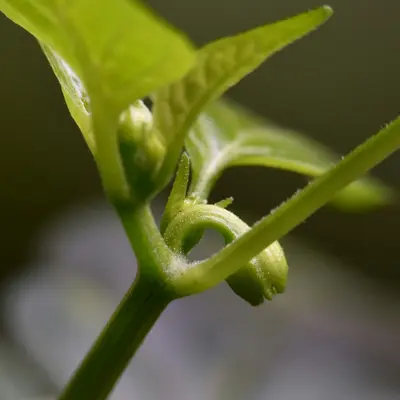
The undisputed champion of lima beans, this vigorous pole variety produces enormous pods filled with large, buttery lima beans that are considered the finest flavored available. Dating back to the 1880s, this heirloom climber delivers impressive yields and sets the standard for what a premium lima bean should taste like.
Harvest
90-95d
Days to harvest
Sun
Full sun
Zones
4–10
USDA hardiness
Difficulty
Moderate
Planting Timeline
Showing dates for King of the Garden Lima Pole in USDA Zone 7
All Zone 7 bean →Zone Map
Click a state to update dates
King of the Garden Lima Pole · Zones 4–10
Growing Details
Succession Planting
King of the Garden runs 90-95 days to harvest, which doesn't leave a lot of room to stack plantings — but two rounds are doable in zone 7 if you time them carefully. Direct sow your first round once soil temperature holds at 60°F or above, typically late April. Follow with a second sowing 3-4 weeks later, no later than mid-June, so pods finish setting before hard frost arrives in October.
Push much past June and you're likely to lose the gamble: lima beans drop blossoms when nighttime temperatures stay above 75°F for more than a few consecutive nights, which is standard fare in Georgia by late July and August. A late start often means thin pod set regardless of how well you manage everything else.
Complete Growing Guide
King of the Garden Lima Pole requires careful site selection and timing to reach its legendary potential. Choose your sunniest location with at least 8 hours of direct sunlight, as insufficient light leads to poor pod development and reduced yields.
Prepare soil in fall by working in 3-4 inches of aged compost or well-rotted manure. These heavy feeders demand rich, loose soil with excellent drainage—standing water will rot the large seeds before germination. Test soil pH and adjust to 6.0-6.8 for optimal nutrient uptake.
Never rush planting. Wait until soil temperature reaches 65°F at 4-inch depth and nighttime temperatures consistently stay above 60°F. Cold soil causes seed rot and stunted growth. Plant seeds 2 inches deep with the eye facing downward, spacing them 6 inches apart along your trellis. Install sturdy 8-foot poles or trellises before planting—these vigorous climbers can reach 10 feet and produce heavy pods.
Skip starting indoors unless you have a greenhouse. Lima beans hate root disturbance, and transplant shock significantly delays maturity. If you must start indoors in short-season areas, use biodegradable pots and transplant the entire pot.
Fertilize at planting with a balanced 10-10-10 fertilizer, then switch to low-nitrogen, high-phosphorus fertilizer once flowering begins. Too much nitrogen produces lush foliage but few pods. Side-dress with compost monthly throughout the growing season.
Train young vines onto supports when they reach 6 inches tall. These beans climb counterclockwise, so guide them accordingly. Mulch heavily around the base to retain moisture and keep roots cool—hot soil stress causes flower drop.
Avoid overhead watering once plants begin flowering, as wet blossoms often fail to set pods. Water deeply at soil level, providing 1-1.5 inches weekly. Inconsistent watering causes pods to abort or develop poorly filled beans. In zones 8-9, plant in partial afternoon shade to prevent heat stress during peak summer.
Harvesting
Harvest King of the Garden lima pods when they reach full size and the beans inside create a pronounced bulge along the pod's length, typically showing a slight yellowing at the seams as a readiness indicator. The pods should feel firm yet slightly yielding when gently squeezed, rather than papery or rock-hard. This variety responds exceptionally well to continuous harvesting throughout the season—picking mature pods every two to three days encourages sustained flowering and bean production rather than a single flush. For optimal flavor and texture, pick pods in the early morning before heat stresses the plant, as beans harvested during cooler temperatures retain their characteristic buttery quality and creamy texture better than those picked in afternoon heat.
Edibility: EDIBLE PARTS: Toxicity is only partially destroyed by cooking; therefore do not cook the ornamental, striped beans grown for the flowers and foliage
Storage & Preservation
Fresh lima beans keep best in the refrigerator still in their pods, lasting 5-7 days in a perforated plastic bag in the crisper drawer. Shell just before use to maintain maximum sweetness and prevent the beans from becoming mealy.
For freezing, blanch shelled beans in boiling water for 2 minutes, then immediately plunge into ice water. Drain thoroughly and freeze in portions. Frozen lima beans maintain quality for 8-10 months. King of the Garden's large size makes it excellent for this preservation method.
To save for dried beans, leave pods on the plant until they turn brown and papery, usually 3-4 weeks after fresh eating stage. Shell and cure in a warm, dry location for two weeks before storing in airtight containers. These dried beans keep for years and provide exceptional flavor for winter soups and stews, developing an even richer, nuttier taste than when fresh.
History & Origin
Documented origins for 'King of the Garden' remain sparse, though the variety's emergence in the 1880s places it within the era of American seed catalog expansion when pole lima beans gained significant popularity. Historical records suggest it arose from informal selection within American heirloom gardening traditions rather than from a documented institutional breeding program or specific named breeder. The variety name itself reflects the naming conventions common to 19th-century American seed companies, which favored superlative titles to market superior cultivars. While 'King of the Garden' may descend from earlier lima bean lineages cultivated in colonial America or selections derived from Caribbean germplasm, concrete genealogical documentation proving its parentage has not been widely preserved in accessible horticultural archives.
Origin: Tropics
Advantages
- +Exceptional buttery flavor with creamy texture sets this variety apart
- +Vigorous pole growth produces enormous pods with impressive yields
- +Heirloom pedigree dating to 1880s offers proven reliability
- +Large lima beans ideal for cooking and freezing preservation
Considerations
- -Susceptible to lima bean mosaic virus requiring careful plant spacing
- -Moderate difficulty rating demands consistent moisture and warm temperatures
- -Multiple pest threats including pod borers and leaf beetles
- -Extended 90-95 day season requires full growing period commitment
Companion Plants
Corn and squash are the practical first choices here — in our zone 7 Georgia garden, the corn gives King of the Garden something to climb so you're not burning money on trellis stakes, while the squash canopy shades enough bare soil to slow weeds and hold moisture through dry July spells. Summer savory is worth tucking in at the row ends; it's been planted alongside beans for generations and has a genuine reputation for deterring bean leaf beetles (Cerotoma trifurcata), which is a real enough pressure on limas that I'll take whatever edge is available. Marigolds pull aphids and whiteflies away from the beans — a distraction crop more than a repellent. Keep onions and garlic off this bed entirely: alliums release sulfur compounds that appear to suppress nitrogen fixation in legume root nodules, and the growth hit shows up within a few weeks of close planting.
Plant Together
Corn
Provides natural support structure for climbing beans, part of Three Sisters planting
Squash
Large leaves provide ground cover and moisture retention, completes Three Sisters guild
Marigolds
Repel bean beetles and other harmful insects while attracting beneficial pollinators
Nasturtiums
Act as trap crop for aphids and cucumber beetles, repel bean beetles
Carrots
Beans fix nitrogen in soil which carrots utilize, carrots don't compete for same nutrients
Radishes
Break up soil for bean roots, mature quickly before beans need full space
Summer Savory
Repels bean beetles and aphids, may improve bean flavor and growth
Cucumber
Benefits from nitrogen fixed by beans, similar water requirements
Keep Apart
Onions
Can inhibit bean growth and nitrogen fixation through root compounds
Garlic
Allelopathic compounds can stunt bean growth and reduce yields
Sunflowers
Compete for nutrients and water, can shade beans and reduce growth
Nutrition Facts
Per 100g serving. % Daily Value based on 2,000 calorie diet. Source: USDA FoodData Central (FDC #2346400)
Pests & Disease Resistance
Resistance
Some resistance to downy mildew
Common Pests
Lima bean pod borer, bean leaf beetle, spider mites
Diseases
Downy mildew, bacterial blight, lima bean mosaic virus
Troubleshooting King of the Garden Lima Pole
What you'll see, why it happens, and what to do about it.
Ragged holes in leaves, sometimes down to the midrib, noticed mid-summer
Likely Causes
- Bean leaf beetle (Cerotoma trifurcata) — chews distinctive round holes; UGA's Vegetable Garden Calendar flags it as one of the top culprits to scout for by May
- Mexican bean beetle (Epilachna varivestis) — skeletonizes leaf undersides, leaving a lacy, papery surface
What to Do
- 1.Scout every 2-3 days once plants hit 6 inches tall; populations double fast in July heat
- 2.Hand-pick adults and egg clusters from leaf undersides and drop them in soapy water
- 3.If pressure is heavy, apply spinosad or pyrethrin in the evening to avoid harming pollinators — these are flowering beans
Grayish-white fuzzy coating on leaf undersides, upper surface pale or bleached, usually after a stretch of humid weather
Likely Causes
- Downy mildew (Peronospora phaseoli) — thrives when humidity is high and nights cool below 65°F, a common pattern in Georgia's late-summer weather swings
- Tangled vines on the trellis cutting off airflow between plants
What to Do
- 1.Space plants 6-8 inches apart and train vines regularly so they aren't piled on top of each other
- 2.Strip and trash (not compost) affected leaves as soon as you spot them
- 3.Switch to a soaker hose if you're using overhead irrigation — keeping foliage dry cuts transmission significantly
Water-soaked spots on leaves that turn brown and papery with a yellow halo; pods develop reddish-brown streaks
Likely Causes
- Bacterial blight (Xanthomonas axonopodis pv. phaseoli) — spreads rapidly in warm, wet conditions and moves easily when you work among wet foliage
- Planting beans in the same bed for 3 or more consecutive years without rotation
What to Do
- 1.Don't handle plants when the foliage is wet — the bacterium travels on hands, tools, and clothing
- 2.Pull and bag badly infected plants; leaving them on the soil surface just seeds next year's problem
- 3.Rotate this bed out of beans and other legumes for at least 2 full seasons, and start with certified disease-free seed
Frequently Asked Questions
How long does King of the Garden lima bean take to grow?▼
Can you grow King of the Garden lima beans in containers?▼
What does King of the Garden lima bean taste like?▼
When should I plant King of the Garden lima beans?▼
Is King of the Garden lima bean good for beginners?▼
How do you support King of the Garden lima bean plants?▼
Zone-by-Zone Planting Calendar
| Zone | Indoor Start | Transplant | Direct Sow | Harvest |
|---|---|---|---|---|
| Zone 3 | — | — | June – July | October – October |
| Zone 4 | — | — | June – July | September – October |
| Zone 5 | — | — | May – June | September – October |
| Zone 6 | — | — | May – June | September – October |
| Zone 7 | — | — | April – June | August – October |
| Zone 8 | — | — | April – May | August – September |
| Zone 9 | — | — | March – April | July – August |
| Zone 10 | — | — | February – April | June – August |
| Zone 1 | — | — | July – August | November – August |
| Zone 2 | — | — | June – August | October – September |
| Zone 11 | — | — | January – March | May – July |
| Zone 12 | — | — | January – March | May – July |
| Zone 13 | — | — | January – March | May – July |
Growing Guides from Wind River Greens
Sources & References
External authority sources used in compiling this guide.
See the Methodology page for how this data is sourced, what's AI-assisted, and known limitations.