Karikachi
Glycine max
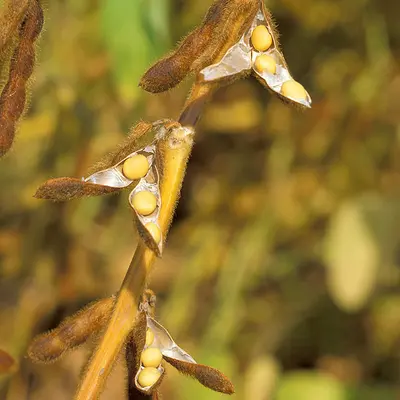
Very tall, upright plants are sturdy and vigorous, producing large plump pods averaging three seeds each. Tastes great when steamed. Larger yields than Tohya and strong resistance to lodging. Indeterminate. Light tan pubescence. Bush bean.
Harvest
85d
Days to harvest
Sun
Full sun
Zones
11–11
USDA hardiness
Height
12-24 inches
Planting Timeline
Showing dates for Karikachi in USDA Zone 7
All Zone 7 bean →Zone Map
Click a state to update dates
Karikachi · Zones 11–11
Growing Details
Succession Planting
Direct sow Karikachi every 14–18 days from late April through mid-June in zone 7, stopping once daytime highs are running consistently above 90°F — heat during flowering causes pods to abort before they fill out. At 85 days to maturity, a sowing in the third week of June puts harvest at late September, which is about as far as you want to push before frost risk climbs.
Because this is a bush-type edamame with a concentrated set rather than a continuous one, succession planting matters more here than it does with a pole bean that just keeps producing. Two or three sowings spaced 2 weeks apart will spread fresh pods from August into early October without everything bulking up on the same weekend.
Complete Growing Guide
Very tall, upright plants are sturdy and vigorous, producing large plump pods averaging three seeds each. Tastes great when steamed. Larger yields than Tohya and strong resistance to lodging. Indeterminate. Light tan pubescence. Bush bean. According to Johnny's Selected Seeds, Karikachi is 85 days to maturity, annual, open pollinated, indeterminate growth habit.
Light: Full sun (6 or more hours of direct sunlight a day). Soil: Clay, Loam (Silt), Sand. Soil pH: Neutral (6.0-8.0). Drainage: Good Drainage, Occasionally Dry. Height: 1 ft. 0 in. - 2 ft. 0 in.. Spread: 0 ft. 9 in. - 2 ft. 0 in.. Spacing: Less than 12 inches. Growth rate: Rapid. Maintenance: Medium. Regions: Coastal, Mountains, Piedmont.
Harvesting
Karikachi reaches harvest at 85 days from sowing per Johnny's Selected Seeds. As an annual, harvest continues until frost ends the season.
Color: Brown/Copper, Gold/Yellow, Green. Type: Legume. Length: 1-3 inches. Width: < 1 inch.
Harvest time: Fall
Storage & Preservation
Freshly harvested Karikachi beans store best in a cool, dry place between 50–60°F with 60–70% humidity; sealed containers or mesh bags work well to prevent moisture loss while allowing air circulation. Expect a fresh shelf life of 7–10 days in these conditions, or up to three weeks refrigerated in a perforated plastic bag.
For longer preservation, freezing is reliable: blanch pods for three minutes, cool rapidly, then freeze in airtight containers for up to eight months. Drying works equally well—spread mature beans on screens in a warm, ventilated space until brittle, then store in airtight jars. Fermentation enhances flavor and digestibility; submerge fresh pods in a 5% salt brine for one to three weeks at room temperature.
Karikachi's tender pod walls are particularly prone to shriveling, so prioritize humidity control above all else during storage.
History & Origin
Karikachi is open-pollinated, meaning seed saved from healthy plants will produce true-to-type offspring. Listed in the Johnny's Selected Seeds catalog.
Origin: China and Russia
Advantages
- +Very tall, sturdy plants resist lodging better than comparable varieties
- +Large plump pods with three seeds each provide excellent yield
- +Excellent steamed flavor makes this variety particularly tasty and appealing
- +Produces larger yields than the Tohya variety for better productivity
- +Vigorous indeterminate growth extends harvest window over many weeks
Considerations
- -85-day maturity is relatively long, limiting short-season growing regions
- -Tall plants require sturdy support structures to prevent vine damage
- -Indeterminate variety demands consistent management and regular harvesting attention
Companion Plants
Karikachi fits naturally into a Three Sisters planting — corn, squash, and beans together. The corn handles vertical space so you don't need to build a trellis, the squash canopy shades the soil and slows moisture loss on hot days, and the beans contribute through nitrogen fixation: Rhizobium bacteria on the roots pull atmospheric nitrogen into a form both corn and squash can use after the season turns. That's a real exchange, not a garden myth.
Marigolds (French marigolds, Tagetes patula specifically) are worth tucking in at the bed edges. Their root secretions suppress certain soil nematodes, and their scent tends to disrupt aphids scouting for a landing spot. Nasturtiums earn a spot nearby as a trap crop — aphids load onto them preferentially, which concentrates the problem and makes hand-removal or a soap spray much faster. Radishes interplanted in the rows can deter cucumber beetles, which become relevant if you've got squash in the same bed.
Onions and garlic are the ones to keep at a real distance — alliums produce sulfur compounds that inhibit the Rhizobium bacteria on bean roots. You'd be actively undermining the nitrogen-fixing function that makes growing a legume worthwhile. Sunflowers are allelopathic and pull hard on soil moisture; 3–4 feet of separation is enough, but don't put them in the same row as your edamame.
Plant Together
Marigold
Repels Mexican bean beetles, aphids, and nematodes while attracting beneficial insects
Nasturtium
Acts as trap crop for aphids and cucumber beetles, deters bean beetles
Corn
Provides natural support structure for climbing beans in Three Sisters planting
Squash
Ground cover suppresses weeds and retains soil moisture around bean plants
Carrot
Benefits from nitrogen fixed by beans, roots don't compete for same soil space
Cucumber
Both benefit from similar growing conditions and beans provide nitrogen
Radish
Quick-growing crop that loosens soil and doesn't compete with bean root system
Rosemary
Repels Mexican bean beetles and carrot flies through aromatic compounds
Keep Apart
Onion
Inhibits bean growth through allelopathic compounds and competes for nutrients
Garlic
Stunts bean growth and development through root exudates
Sunflower
Allelopathic effects inhibit bean germination and growth, competes heavily for nutrients
Nutrition Facts
Per 100g serving. % Daily Value based on 2,000 calorie diet. Source: USDA FoodData Central (FDC #2346400)
Pests & Disease Resistance
Common Pests
Bean beetles, aphids, spider mites
Diseases
Bean rust, anthracnose, powdery mildew
Troubleshooting Karikachi
What you'll see, why it happens, and what to do about it.
Leaves with irregular chunks missing, plus stippled or bronzed leaf surfaces around week 6–8
Likely Causes
- Mexican bean beetle (Epilachna varivestis) — adults and larvae skeletonize leaves from the underside
- Spider mites — explode in hot, dry spells and cause the stippled bronzing
What to Do
- 1.Flip leaves and hand-pick bean beetle egg clusters (yellow, oval, found in tidy rows on the underside) and larvae; drop them in soapy water
- 2.For spider mites, hit plants with a strong spray of water early in the morning on several consecutive days — mites hate that
- 3.If populations are heavy, apply neem oil or insecticidal soap in the evening to avoid burning foliage; check the NC Agricultural Chemicals Manual for current label guidance before spraying anything you plan to eat
Reddish-brown pustules on leaf undersides, with yellowing on the upper surface — typically appearing after a stretch of humid weather
Likely Causes
- Bean rust (Uromyces appendiculatus) — a fungal pathogen that spreads fast in warm, wet conditions and is made worse by planting beans in the same bed year after year
What to Do
- 1.Remove and trash (do not compost) any infected leaves as soon as you spot pustules
- 2.NC State Extension's organic gardening guidance recommends rotating legumes out of an affected bed for at least one full season to break the disease cycle — five consecutive years in the same spot is too long
- 3.Switch to drip or soaker-hose irrigation rather than overhead watering; keeping foliage dry slows spore spread considerably
Frequently Asked Questions
How long does Karikachi bean take to grow from seed to harvest?▼
Is Karikachi a good bean variety for beginners?▼
Can you grow Karikachi beans in containers?▼
What does Karikachi bean taste like when cooked?▼
How far apart should I plant Karikachi beans?▼
How does Karikachi compare to Tohya bean?▼
Zone-by-Zone Planting Calendar
| Zone | Indoor Start | Transplant | Direct Sow | Harvest |
|---|---|---|---|---|
| Zone 3 | — | — | June – July | September – October |
| Zone 4 | — | — | June – July | September – October |
| Zone 5 | — | — | May – June | September – October |
| Zone 6 | — | — | May – June | August – October |
| Zone 7 | — | — | April – June | August – September |
| Zone 8 | — | — | April – May | July – September |
| Zone 9 | — | — | March – April | June – August |
| Zone 10 | — | — | February – April | June – July |
| Zone 1 | — | — | July – August | October – August |
| Zone 2 | — | — | June – August | October – September |
| Zone 11 | — | — | January – March | May – June |
| Zone 12 | — | — | January – March | May – June |
| Zone 13 | — | — | January – March | May – June |
Growing Guides from Wind River Greens
Sources & References
External authority sources used in compiling this guide.
- ExtensionNC State Extension
- BreederJohnny's Selected Seeds
- USDAUSDA FoodData Central
See the Methodology page for how this data is sourced, what's AI-assisted, and known limitations.