Jacob's Cattle Pole Bean
Phaseolus vulgaris 'Jacob's Cattle'
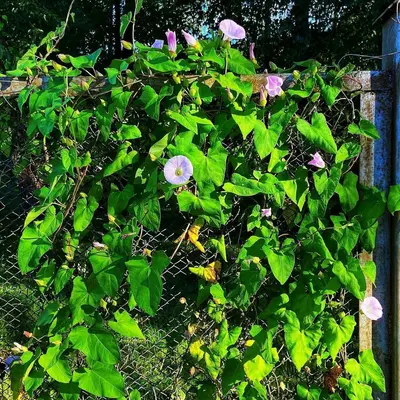
A historic New England heirloom dating back to the 1800s, named for its resemblance to the speckled cattle mentioned in the Biblical story of Jacob. This vigorous pole variety produces beautiful white beans with distinctive maroon splotches and offers exceptional flavor and protein content. The beans have been a staple in Maine cuisine for generations and are prized for their ability to hold their shape and absorb flavors in traditional bean dishes.
Harvest
90-100d
Days to harvest
Sun
Full sun
Zones
2–11
USDA hardiness
Difficulty
Easy to Moderate
Planting Timeline
Showing dates for Jacob's Cattle Pole Bean in USDA Zone 7
All Zone 7 bean →Zone Map
Click a state to update dates
Jacob's Cattle Pole Bean · Zones 2–11
Growing Details
Succession Planting
Jacob's Cattle is grown to full dry-bean maturity — 90 to 100 days on the vine — so you're not pulling a continuous harvest the way you would with a snap bean. One sowing often covers a season, but a second planting made 3 to 4 weeks after the first gives you a staggered dry-down in September and October, which helps if you're saving seed or want a backup in case the first planting gets hit early by anthracnose or a late cold snap. In zone 7, direct sow from late April through early June; anything started after mid-June is unlikely to finish before first frost.
Complete Growing Guide
Jacob's Cattle Pole Bean thrives when direct seeded into warm soil after all danger of frost has passed, typically two to three weeks after your region's last spring frost date. Unlike some beans that tolerate cool soil, this vigorous heirloom variety performs best when soil temperatures reach at least 60°F, ideally 70°F or warmer. If your growing season is short, you can start seeds indoors in peat pots four to six weeks before your anticipated planting date, though direct sowing is often more successful since pole beans resent root disturbance. Plant seeds one and a half inches deep, spacing them four to six inches apart along sturdy trellises, arbors, or poles. Jacob's Cattle Pole Beans are vigorous climbers that can reach six to eight feet tall, so provide robust support structures before planting to accommodate their enthusiastic growth.
Prepare your soil with generous organic matter, working in compost or aged manure to improve drainage and fertility. This variety prefers well-draining soil with a pH between 6.0 and 7.0. Space rows or planting stations at least two feet apart to ensure adequate air circulation, which becomes critical for managing the disease pressures specific to this cultivar. Water consistently throughout the growing season, providing about one inch weekly through rain or irrigation. Water at the soil level rather than overhead to minimize fungal disease problems like anthracnose and bacterial blight, both of which threaten this heirloom variety. Once flowering begins, maintain even moisture to support consistent pod development through the 90 to 100-day harvest window.
Feed Jacob's Cattle Pole Beans sparingly, as excessive nitrogen encourages leafy growth at the expense of flowering. A light application of balanced fertilizer when vines are six inches tall and again at flowering supports productivity without compromising your harvest. Scout plants regularly for bean beetles and bean leaf beetles, which can devastate this variety quickly. Hand-pick beetles and egg clusters, or apply neem oil as needed. Watch for the small white flies and wilting associated with bean common mosaic virus; remove infected plants immediately to protect the rest of your planting. Seed corn maggots occasionally target germinating seeds in cool, moist soil, so avoid planting in overly wet conditions.
Here's what gardeners frequently overlook with Jacob's Cattle: this heirloom absolutely requires sturdy trellising from the start. Many growers underestimate how vigorously these beans climb and scramble to add support mid-season, which damages vines and reduces productivity. Invest in poles or trellises at least seven feet tall before planting. For extended harvests, succession plant seeds every two weeks through midsummer, staggering your pods and maximizing this historic variety's remarkable flavor throughout the season.
Harvesting
Harvest Jacob's Cattle beans when the pods turn from green to a papery tan or yellowish color, and the distinctive maroon splotches on the pods become more pronounced. The pods should feel dry and brittle to the touch, and you'll hear them rattle when shaken. For fresh shell beans, pick pods when they're still slightly pliable but well-filled, checking daily once the pods begin yellowing. For dry beans, wait until pods are completely desiccated on the vine. This variety responds well to continuous harvesting of fresh pods early in the season, which encourages further flowering, while allowing the final flush of pods to mature fully for drying. Harvest in the morning after dew dries to avoid spreading fungal diseases between plants.
The boat-shaped seed pods are bilaterally symmetrical and can be green, yellow, white, or purple at maturity. There is a wide variety of color and shape choices among cultivars.
Color: Gold/Yellow, Green, Purple/Lavender, White. Type: Legume. Length: > 3 inches. Width: < 1 inch.
Garden value: Edible, Good Dried
Harvest time: Fall, Summer
Storage & Preservation
Fresh shell beans keep 3-5 days refrigerated in perforated bags, maintaining their creamy texture and rich flavor. For optimal quality, shell beans just before cooking rather than storing them already shelled.
For dried beans, allow pods to dry completely on the vine if weather permits, then shell and spread beans on screens for additional drying until they pass the 'bite test'—properly dried beans are too hard to dent with your teeth. Store dried beans in airtight containers in a cool, dark place where they'll keep 2-3 years while maintaining their ability to absorb flavors in traditional dishes.
Freeze fresh shell beans by blanching for 3 minutes, cooling in ice water, then packaging in freezer bags for up to 8 months. You can also pressure-can these beans following USDA guidelines for low-acid foods. The sturdy texture of Jacob's Cattle beans makes them excellent candidates for home canning, as they hold their shape beautifully in preserved form.
History & Origin
Jacob's Cattle Pole Bean emerged as a New England heirloom during the 1800s, though precise documentation of its origin remains limited. The variety's name references the Biblical story of Jacob's speckled cattle, suggesting folk naming practices common to heritage beans passed through farming communities. Maine became its primary cultural home, where the bean became embedded in regional cuisine and food traditions. The exact breeder or founding year is not well recorded, but the variety survived through seed-saving practices within New England farming families and has since been preserved by heritage seed organizations and heirloom gardeners committed to maintaining this historic legume's genetic and culinary legacy.
Origin: Tropical America
Advantages
- +Historic heirloom variety with rich, meaty flavor and excellent texture
- +Beautiful white beans with maroon splotches add visual appeal to dishes
- +Beans hold their shape exceptionally well when cooked in soups
- +High protein content makes them nutritious and satisfying
- +Vigorous pole variety produces reliable yields with easy cultivation
Considerations
- -Susceptible to anthracnose, bacterial blight, and bean common mosaic virus
- -Requires 90-100 days to maturity, extending the growing season significantly
- -Vulnerable to multiple pests including bean beetles and bean leaf beetles
- -Needs sturdy trellising support due to vigorous pole bean growth habit
Companion Plants
Corn and squash are the natural partners for a pole bean — the Three Sisters combination works because the functions stack neatly: corn gives the bean something to climb, beans fix nitrogen through root bacteria that feeds the corn and squash, and squash leaves shade the soil enough to slow weed germination between plants. Marigolds and nasturtiums earn a spot nearby by confusing aphids and deterring bean beetles like Cerotoma trifurcata. Onions and fennel are the ones to keep at a distance — onions compete aggressively at the root zone and carry allelopathic compounds that suppress bean germination, and fennel is broadly antagonistic to most vegetables regardless of spacing. Sunflowers can shade out a bean trellis at 6-inch spacing, so if you grow them, put them 3 feet or more away on their own row.
Plant Together
Corn
Provides natural trellis support for climbing beans, classic Three Sisters companion
Squash
Ground cover that suppresses weeds and retains soil moisture, completes Three Sisters planting
Marigolds
Repels Mexican bean beetles, aphids, and other bean pests with strong scent
Nasturtiums
Acts as trap crop for aphids and cucumber beetles, deters bean pests
Carrots
Beans fix nitrogen in soil that carrots utilize, carrots don't compete for space
Radishes
Quick-growing crop that loosens soil and can be harvested before beans need full space
Lettuce
Benefits from nitrogen fixed by beans, provides living mulch at base of plants
Rosemary
Repels Mexican bean beetles and other pests with aromatic oils
Keep Apart
Onions
Can inhibit bean growth and nitrogen fixation by root bacteria
Fennel
Allelopathic properties inhibit growth of beans and most other garden plants
Sunflowers
Releases allelopathic compounds that can stunt bean growth and development
Nutrition Facts
Per 100g serving. % Daily Value based on 2,000 calorie diet. Source: USDA FoodData Central (FDC #2346400)
Pests & Disease Resistance
Resistance
Good cold tolerance and general disease resistance
Common Pests
Bean beetle, seed corn maggot, bean leaf beetle
Diseases
Anthracnose, bacterial blight, bean common mosaic virus
Troubleshooting Jacob's Cattle Pole Bean
What you'll see, why it happens, and what to do about it.
Leaves with ragged chunks missing, sometimes skeletonized, showing up around weeks 5–7 after germination
Likely Causes
- Mexican bean beetle (Epilachna varivestis) — adults and larvae both feed on leaf tissue from the underside
- Bean leaf beetle (Cerotoma trifurcata) — chews irregular holes through the leaf surface
What to Do
- 1.Flip leaves and look for yellow egg clusters or soft yellow larvae; hand-pick and drop them in soapy water
- 2.Apply spinosad or neem oil to the undersides of leaves if populations are high — early control matters more than late spraying
- 3.UGA's Vegetable Garden Calendar flags both Mexican bean beetle and bean leaf beetle as priority watch pests; start scouting at week 3, not after the damage is already widespread
Dark, sunken lesions on pods and stems, sometimes with a salmon-pink ooze in humid weather
Likely Causes
- Anthracnose (Colletotrichum lindemuthianum) — fungal disease that spreads fast in wet conditions
- Replanting beans in the same bed 5+ years running without rotation — soil pathogen load builds steadily, as NC State Extension's IPM case study illustrates
What to Do
- 1.Pull and bag (don't compost) any infected plants or pods immediately
- 2.Move beans and other legumes out of this bed for at least 2 seasons — NC State Extension's organic gardening guidance specifically calls out legume rotation for breaking disease cycles
- 3.Start your next planting with certified disease-free seed and switch to a soaker hose if you've been watering overhead; dry foliage cuts transmission risk considerably
Frequently Asked Questions
How long do Jacob's Cattle beans take to grow?▼
Can you grow Jacob's Cattle beans in containers?▼
What do Jacob's Cattle beans taste like?▼
When should I plant Jacob's Cattle pole beans?▼
Are Jacob's Cattle beans good for beginners?▼
Jacob's Cattle vs Navy beans - what's the difference?▼
Zone-by-Zone Planting Calendar
| Zone | Indoor Start | Transplant | Direct Sow | Harvest |
|---|---|---|---|---|
| Zone 1 | — | — | July – August | November – August |
| Zone 2 | — | — | June – August | October – September |
| Zone 11 | — | — | January – March | May – July |
| Zone 12 | — | — | January – March | May – July |
| Zone 13 | — | — | January – March | May – July |
| Zone 3 | — | — | June – July | October – October |
| Zone 4 | — | — | June – July | September – October |
| Zone 5 | — | — | May – June | September – October |
| Zone 6 | — | — | May – June | September – October |
| Zone 7 | — | — | April – June | August – October |
| Zone 8 | — | — | April – May | August – September |
| Zone 9 | — | — | March – April | July – August |
| Zone 10 | — | — | February – April | June – August |
Growing Guides from Wind River Greens
Sources & References
External authority sources used in compiling this guide.
See the Methodology page for how this data is sourced, what's AI-assisted, and known limitations.