Henderson Lima Bush
Phaseolus lunatus 'Henderson Bush'
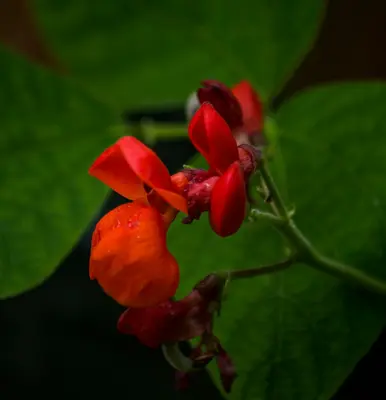
A compact, early-maturing lima bean that's been a garden favorite since 1888, perfect for short growing seasons and small spaces. These productive bushes yield tender, buttery baby lima beans that are much more palatable than large limas, with a creamy texture and mild flavor. An excellent choice for gardeners new to growing lima beans or those wanting a reliable, heat-tolerant variety.
Harvest
65-75d
Days to harvest
Sun
Full sun
Zones
4–10
USDA hardiness
Difficulty
Easy
Planting Timeline
Showing dates for Henderson Lima Bush in USDA Zone 7
All Zone 7 bean →Zone Map
Click a state to update dates
Henderson Lima Bush · Zones 4–10
Growing Details
Succession Planting
Direct sow Henderson Bush every 14–18 days from your last frost date through about 10–12 weeks before your first fall frost. In zone 7, that means staggered sowings from late April through late June, with a possible push into early July if your fall is long. Soil temperature needs to be at least 65°F for reliable germination — the 7–12 day window assumes warm ground; cold soil stretches that past 14 days and opens the door to seed rot.
Stop succession planting once daytime highs are running consistently above 90°F — heat triggers blossom drop in limas more readily than in snap beans, and pods set in that window tend to be sparse and poorly filled. The UGA Vegetable Garden Calendar flags May as a good window for a third lima planting, so an April sowing followed by one in early May and another in late May or early June gives you a harvest that stretches into September without putting the flowering period right in the middle of peak summer heat.
Complete Growing Guide
Henderson Lima Bush beans thrive in warm, well-prepared soil with excellent drainage. Start by selecting a site that receives 6-8 hours of direct sunlight daily, as these beans need heat to develop their characteristic buttery flavor. Work compost into clay soils to improve drainage, but don't over-enrich—lima beans fix their own nitrogen and excessive fertility can reduce pod production.
Wait until soil temperatures consistently reach 65°F before direct sowing, typically 2-3 weeks after your last frost date. Cold, wet soil will cause seeds to rot before germinating. Plant seeds 1-2 inches deep with the eye facing downward, spacing them 4-6 inches apart in rows 18-24 inches wide. For continuous harvests, make successive plantings every 2 weeks until 10 weeks before your first expected fall frost.
Unlike pole varieties, Henderson Lima Bush beans require no staking but benefit from gentle cultivation when plants are 4 inches tall to control weeds. Apply a 2-inch layer of organic mulch around plants once soil has warmed thoroughly—premature mulching can keep soil too cool. Water deeply but infrequently, allowing soil to dry slightly between waterings. Consistent moisture during flowering and pod development is crucial for good yields.
Avoid high-nitrogen fertilizers which promote excessive foliage at the expense of pods. A balanced 10-10-10 fertilizer applied at planting is sufficient. These compact plants rarely exceed 18 inches in height and don't require support, making them ideal for container growing in pots at least 12 inches deep.
Common mistakes include planting too early in cold soil, overwatering established plants, and harvesting pods too late when beans become starchy. In zones 8-10, you can succession plant through early fall for winter harvests.
Harvesting
Harvest Henderson Lima Bush pods when they reach full plumpness with beans visibly outlined beneath the pod surface, typically when pods shift from bright green to a lighter, creamy-beige color and feel slightly waxy rather than turgid. The baby lima beans inside should be firm but not hard when gently pressed. For maximum productivity, pick pods continuously every two to three days once they reach peak maturity—this frequent harvesting encourages the plant to produce additional flowers and extend your yield throughout the season rather than exhausting itself with a single heavy crop. Time your harvests in early morning after dew dries to minimize plant stress and maximize bean tenderness.
Edibility: EDIBLE PARTS: Toxicity is only partially destroyed by cooking; therefore do not cook the ornamental, striped beans grown for the flowers and foliage
Storage & Preservation
Fresh Henderson lima beans keep best when left in their pods until use. Store unshelled pods in the refrigerator for up to one week in a perforated plastic bag. Once shelled, fresh beans should be used within 2-3 days.
For freezing, blanch shelled beans in boiling water for 2 minutes, then immediately plunge into ice water. Drain thoroughly and freeze in portion-sized containers for up to 8 months. Henderson limas freeze exceptionally well, retaining their creamy texture better than larger lima varieties.
To dry beans for long-term storage, allow pods to mature fully on the plant until they're papery brown. Shell the dried beans and store in airtight containers in a cool, dark place—properly dried Henderson limas will keep for 2-3 years. These small limas are perfect for succotash and winter soups, requiring only 45-60 minutes of cooking time compared to 90+ minutes for large lima varieties.
History & Origin
Introduced by the Henderson Seed Company in 1888, this compact lima bean emerged during the late Victorian era when American seed houses were actively selecting for bush varieties that could thrive in northern gardens with shorter growing seasons. The Henderson Lima Bush represents a significant departure from the vining pole limas that dominated earlier cultivation, offering home gardeners a more manageable plant suited to small plots. While detailed breeding documentation is sparse, the variety reflects the practical horticultural innovation of the period, when commercial seed companies systematized selection for earliness, productivity, and plant habit. The Henderson company's reputation for reliability ensured the variety's lasting presence in American kitchen gardens for over a century.
Origin: Tropics
Advantages
- +Compact bush habit fits perfectly in small garden spaces
- +Early 65-75 day maturity ideal for short growing seasons
- +Baby lima beans taste much better than oversized varieties
- +Reliable heat tolerance makes it forgiving for beginners
- +Established heirloom since 1888 with proven track record
Considerations
- -Susceptible to five major diseases including downy mildew
- -Multiple pest problems require vigilant monitoring and management
- -Lower overall yield compared to pole lima bean varieties
- -Baby beans mean more pods needed for substantial harvests
Companion Plants
Corn is the standout companion here — it provides partial afternoon shade that can extend pod set when summer temperatures push past 90°F and blossom drop becomes a real problem. Carrots and radishes fit well because their roots run 6–12 inches deep, well below the shallower lima root zone, so neither crop is pulling water or nutrients from the same layer of soil. Nasturtiums do double duty: they attract aphids away from your bean foliage — you'd much rather find a dense aphid colony on a nasturtium stem than working its way up a bean plant at pod set.
Onions and other alliums are worth keeping at a distance. There's consistent field observation that alliums suppress legume growth, most likely through root exudates that interfere with the Rhizobium bacteria limas depend on to fix nitrogen — which undercuts one of the main reasons to grow beans in a rotation at all. Fennel is a problem for almost every annual in the garden; it inhibits germination and early growth through allelopathic compounds in its roots, and beans are no exception. Give fennel its own bed far from the vegetable patch and leave it there.
Plant Together
Carrots
Improve soil structure and don't compete for nutrients, beans provide nitrogen carrots need
Corn
Provides natural support structure for beans, beans fix nitrogen for corn
Marigolds
Repel Mexican bean beetles, aphids, and other harmful insects
Summer Squash
Large leaves provide ground cover and moisture retention, part of Three Sisters planting
Nasturtiums
Act as trap crop for aphids and cucumber beetles, repel bean beetles
Radishes
Break up soil for better root development, harvest before beans need space
Catnip
Repels flea beetles and ants that can damage bean plants
Rosemary
Deters Mexican bean beetles and carrot rust flies
Keep Apart
Onions
Can inhibit bean growth and nitrogen fixation through root secretions
Sunflowers
Allelopathic compounds inhibit bean germination and growth
Fennel
Inhibits growth of most garden plants including beans through allelopathy
Nutrition Facts
Per 100g serving. % Daily Value based on 2,000 calorie diet. Source: USDA FoodData Central (FDC #2346400)
Pests & Disease Resistance
Resistance
Good heat tolerance, some resistance to downy mildew
Common Pests
Bean beetles, lima bean pod borer, stink bugs, aphids
Diseases
Downy mildew, bacterial blight, anthracnose, rust
Troubleshooting Henderson Lima Bush
What you'll see, why it happens, and what to do about it.
Leaves with ragged chunks missing, skeletonized patches, or visible orange egg clusters on the undersides — usually showing up around weeks 3–5
Likely Causes
- Mexican bean beetle (Epilachna varivestis) — adults and larvae both feed on leaf tissue from the underside
- Bean leaf beetle (Cerotoma trifurcata) — chews irregular holes through the blade
What to Do
- 1.Check leaf undersides every 2–3 days; hand-pick larvae and scrape off egg clusters into a bucket of soapy water
- 2.Spray neem oil at 2% concentration in the early morning when beetles are sluggish — repeat every 7 days
- 3.Pull and dispose of plant debris at season's end; both beetles overwinter in garden litter
Gray-white fuzzy coating on the undersides of leaves, with pale yellow patches showing on the upper surface
Likely Causes
- Downy mildew (Peronospora phaseoli) — thrives in cool, humid nights above 85% relative humidity
- Overhead irrigation or dense planting that keeps foliage wet overnight
What to Do
- 1.Switch to drip or soaker-hose irrigation — Henderson Bush wants 1–1.5 inches per week at the root, not the leaf
- 2.Thin to at least 6–8 inches between plants to open up airflow
- 3.Remove and trash (don't compost) badly infected leaves; a copper-based fungicide can slow spread if you catch it early
Dark, sunken lesions with pink or salmon-colored spore masses on pods, stems, or leaves
Likely Causes
- Anthracnose (Colletotrichum lindemuthianum) — seed-borne and soil-borne fungus, spreads fast in wet weather above 60°F
- Planting beans in the same bed for 2 or more consecutive years without rotation
What to Do
- 1.Start with certified disease-free seed — anthracnose travels on infected seed lots and you won't see it until the damage is done
- 2.Rotate limas and all other Phaseolus crops out of an affected bed for at least 2 seasons; NC State Extension's organic gardening guidance notes that rotating legumes also breaks soil disease cycles
- 3.Stay out of the bed when foliage is wet — foot traffic and tool contact spread spores from plant to plant
Pods that look fully formed but contain shriveled, partially eaten seeds inside; small entry holes visible on the pod surface
Likely Causes
- Lima bean pod borer (Etiella zinckenella) — larvae bore into pods and feed directly on developing seeds
- Stink bugs (Nezara viridula and related species) — pierce pods to feed, leaving collapsed seeds and discolored flesh
What to Do
- 1.Start scouting pods around day 50 after sowing; squeeze them gently — hollow or soft spots mean borer damage is already inside
- 2.Hand-pick stink bugs in the early morning when temperatures are below 70°F and they're slow; drop them into soapy water
- 3.Apply kaolin clay or a spinosad-based spray at pod set to deter borers — reapply after every rain
Frequently Asked Questions
How long does Henderson Lima Bush take to grow?▼
Can you grow Henderson Lima Bush in containers?▼
What does Henderson Lima Bush taste like?▼
When should I plant Henderson Lima Bush beans?▼
Is Henderson Lima Bush good for beginners?▼
Henderson Lima Bush vs Fordhook Lima—what's the difference?▼
Zone-by-Zone Planting Calendar
| Zone | Indoor Start | Transplant | Direct Sow | Harvest |
|---|---|---|---|---|
| Zone 3 | — | — | June – July | September – October |
| Zone 4 | — | — | June – July | September – October |
| Zone 5 | — | — | May – June | August – October |
| Zone 6 | — | — | May – June | August – September |
| Zone 7 | — | — | April – June | July – September |
| Zone 8 | — | — | April – May | July – August |
| Zone 9 | — | — | March – April | June – July |
| Zone 10 | — | — | February – April | May – July |
| Zone 1 | — | — | July – August | October – August |
| Zone 2 | — | — | June – August | September – September |
| Zone 11 | — | — | January – March | April – June |
| Zone 12 | — | — | January – March | April – June |
| Zone 13 | — | — | January – March | April – June |
Growing Guides from Wind River Greens
Sources & References
External authority sources used in compiling this guide.
- ExtensionNC State Extension
- USDAUSDA FoodData Central
See the Methodology page for how this data is sourced, what's AI-assisted, and known limitations.