Golden Wax Bush Bean
Phaseolus vulgaris 'Golden Wax'
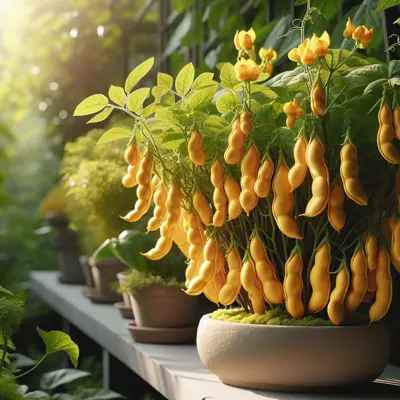
A classic yellow wax bean that's been delighting gardeners since the 1870s with its bright golden pods and exceptional tenderness. These compact bush plants produce heavy yields of stringless, buttery-flavored beans that are as beautiful as they are delicious, making them perfect for both the dinner table and farmers market sales.
Harvest
50-55d
Days to harvest
Sun
Full sun
Zones
2–11
USDA hardiness
Difficulty
Easy
Planting Timeline
Showing dates for Golden Wax Bush Bean in USDA Zone 7
All Zone 7 bean →Zone Map
Click a state to update dates
Golden Wax Bush Bean · Zones 2–11
Growing Details
Succession Planting
Direct sow Golden Wax every 14 days from April 1 through about July 15 in zone 7. Stop sowing once daytime highs are consistently above 90°F — bean flowers drop their blossoms in that heat and you'll get empty pods. UGA's vegetable calendar specifically calls out a third snap bean planting in May, which is the sweet spot before summer really lands.
You can pick the succession back up in early August for a fall crop that matures before first frost (roughly October 25 here). Count backward 55 days plus a week of buffer.
Complete Growing Guide
Golden Wax Bush Bean is best started by direct sowing seeds into the garden after all danger of frost has passed and soil temperatures have reached at least 60°F, ideally closer to 70°F. Unlike some bean varieties that benefit from indoor starting, this compact bush type germinates reliably when direct sown and establishes quickly without transplant stress. Sow seeds about one inch deep, spacing them three to four inches apart in rows that are eighteen to twenty-four inches apart. The soil should be well-draining and enriched with compost or aged manure before planting, as Golden Wax Bush Bean responds well to fertile conditions and will produce more prolifically in nutrient-rich earth. Thin seedlings to six inches apart once they've developed their first true leaves.
Maintain consistent moisture throughout the growing season, providing about one inch of water per week through rainfall or irrigation. Watering at the base of plants rather than overhead helps prevent the fungal diseases this variety is susceptible to, particularly rust and white mold. Feed with a balanced fertilizer when plants begin flowering, though avoid over-fertilizing with nitrogen, which can promote leafy growth at the expense of pod production. Golden Wax Bush Bean's compact habit means it doesn't require trellising, but succession planting every two to three weeks will extend your harvest from a single planting through late summer.
This variety is particularly attractive to Mexican bean beetles and thrips, which can quickly defoliate plants or damage developing pods. Scout plants regularly, handpicking beetles and their distinctive yellow egg clusters from leaf undersides. Encourage beneficial insects by planting flowers nearby, and consider row covers over young plants before beetles arrive. Bean weevils, which emerge from infested seeds, are best prevented by proper seed storage in cool, dry conditions. Aphids cluster on new growth and should be sprayed with insecticidal soap if populations explode.
The fungal diseases that plague Golden Wax Bush Bean—rust, white mold, and anthracnose—thrive in warm, humid conditions with poor air circulation. Spacing plants adequately, avoiding overhead watering, and removing infected leaves promptly are essential. If bacterial blight appears as brown, water-soaked lesions on pods, remove affected plants entirely to prevent spread to neighboring beans.
One critical mistake gardeners make with Golden Wax Bush Bean is harvesting pods too late. These beans are most tender and flavorful when pods are young and snap easily, typically at three to four inches long. Waiting until pods mature and beans swell inside them produces tough, stringy beans that lose the buttery quality that makes this historic variety special. Check plants every two to three days during peak production and harvest frequently to encourage continued flowering.
Harvesting
Peak readiness for Golden Wax Bush Bean arrives when pods display their signature bright golden-yellow color and reach four to five inches in length, with a slight give when gently squeezed but still maintaining crisp firmness. Harvest regularly every two to three days once pods begin maturing, as continuous picking stimulates further flowering and maximizes yields throughout the season rather than waiting for a single bulk harvest. For optimal flavor and tenderness characteristic of this variety, pick beans in the early morning after dew has dried but before afternoon heat intensifies; beans harvested at this time retain their buttery texture and snap when broken, signaling peak culinary quality.
The boat-shaped seed pods are bilaterally symmetrical and can be green, yellow, white, or purple at maturity. There is a wide variety of color and shape choices among cultivars.
Color: Gold/Yellow, Green, Purple/Lavender, White. Type: Legume. Length: > 3 inches. Width: < 1 inch.
Garden value: Edible, Good Dried
Harvest time: Fall, Summer
Storage & Preservation
Fresh Golden Wax beans store best in the refrigerator in a perforated plastic bag, maintaining quality for 5-7 days. Don't wash until ready to use, as excess moisture promotes decay. For longer storage, blanch whole pods in boiling water for 2-3 minutes, shock in ice water, then freeze in airtight containers for up to 10 months.
These beans excel at pressure canning due to their firm texture – process pint jars for 20 minutes at 10 pounds pressure. The golden color holds beautifully in preserved preparations. For pickled dilly beans, use young, tender pods and process in a boiling water bath. Golden Wax beans can also be dehydrated when fully mature and dry on the plant, though most gardeners prefer preserving them at the fresh eating stage for their superior flavor and texture.
History & Origin
The Golden Wax Bush Bean emerged during the nineteenth-century expansion of bean breeding in North America, gaining prominence by the 1870s as described in seed catalogs of that era. While specific breeder attribution remains undocumented in readily available horticultural records, the variety represents the era's concentrated effort to develop stringless, yellow-podded beans from the broader Phaseolus vulgaris species. Golden Wax likely descends from earlier wax bean lines developed through deliberate selection rather than formal university breeding programs, reflecting the common practice of seed companies and independent growers perfecting traits through successive generations. Its early popularity and persistence in catalogs suggests successful adoption by both commercial and home gardeners seeking reliable yellow beans with superior quality.
Origin: Tropical America
Advantages
- +Historic variety with proven performance since the 1870s brings reliability and nostalgia
- +Stringless pods eliminate tedious preparation, saving time during harvest and cooking
- +Bright golden color makes beans visually striking for farmers market sales appeal
- +Heavy yields on compact bush plants maximize production in limited garden space
- +Mild, buttery flavor and tender texture appeal to most palates and cuisines
Considerations
- -Susceptible to multiple diseases including rust, blight, white mold, and anthracnose
- -Mexican bean beetles and other pests frequently target this variety, requiring management
- -Vulnerable to bean weevil damage during storage if not properly preserved
Companion Plants
Golden Wax gets along with most of the garden, which is part of why bush beans are a forgiving entry crop. The three sisters logic still applies even to a bush type — corn provides a windbreak and the beans fix nitrogen back into soil the corn is hammering. Carrots and radishes share the bed well because their roots run at a different depth, and the radishes are usually pulled before the beans really shade in. Marigolds and nasturtiums handle pest pressure from two angles: nasturtium pulls aphids off the beans as a trap crop, and marigold root exudates suppress root-knot nematodes, which matters in our zone 7 Georgia garden where sandy loam carries real nematode pressure.
Skip the alliums. Onions, garlic, and chives release sulfur compounds that interfere with the Rhizobium bacteria nodulating bean roots — smaller plants, weaker nitrogen fixation, lower yield. Fennel is allelopathic to nearly everything in the bed and belongs off on its own. Sunflowers compete hard for water and throw too much shade by July.
Plant Together
Marigold
Repels Mexican bean beetles and aphids while attracting beneficial insects
Basil
Deters aphids and bean beetles, may enhance bean flavor
Carrots
Loosens soil for bean roots and doesn't compete for nutrients
Cucumber
Beans fix nitrogen that cucumbers utilize, complementary root systems
Nasturtium
Acts as trap crop for aphids and cucumber beetles, repels bean beetles
Summer Savory
Repels bean beetles and aphids, improves bean growth and flavor
Corn
Beans fix nitrogen for corn, though bush beans need less support than pole varieties
Radish
Quick harvest allows beans more space, helps break up soil
Keep Apart
Onions
Can inhibit bean growth and nitrogen fixation through root compounds
Sunflowers
Allelopathic compounds can stunt bean growth and development
Fennel
Strong allelopathic effects inhibit bean germination and growth
Nutrition Facts
Per 100g serving. % Daily Value based on 2,000 calorie diet. Source: USDA FoodData Central (FDC #2346400)
Pests & Disease Resistance
Resistance
Moderate resistance to bean common mosaic
Common Pests
Mexican bean beetle, aphids, bean weevil, thrips
Diseases
Rust, bacterial blight, white mold, anthracnose
Troubleshooting Golden Wax Bush Bean
What you'll see, why it happens, and what to do about it.
Leaves skeletonized to lace, with yellow-orange fuzzy larvae on the undersides, usually starting in June
Likely Causes
- Mexican bean beetle (Epilachna varivestis) — adults look like tan ladybugs, larvae do most of the damage
- Successive plantings in the same bed year after year letting the population build
What to Do
- 1.Hand-pick adults, larvae, and the yellow egg clusters on leaf undersides every other day for two weeks — the single most effective control
- 2.Spray neem or spinosad on the larvae specifically; adults shrug most sprays off
- 3.Rotate beans to a new bed next season — NC State's IPM case study flags five years of beans in one spot as a root cause
Rusty orange or reddish-brown pustules on the undersides of leaves, leaves yellowing and dropping from the bottom up
Likely Causes
- Bean rust (Uromyces appendiculatus), a fungal disease that thrives in warm humid weather
- Overhead watering keeping foliage wet overnight
- Crowded spacing under 4 inches blocking airflow
What to Do
- 1.Switch to soaker hose or drip — NC State's diagnostic walkthrough specifically recommends 1 inch per week at the soil line
- 2.Strip and bag the worst leaves (don't compost them)
- 3.Thin to a full 4-6 inch spacing; if it's already bad, plan a copper or sulfur fungicide on the next planting
Blossoms forming and then dropping off in July with no pods setting
Likely Causes
- Heat stress — Phaseolus vulgaris aborts flowers above about 90°F daytime / 75°F nighttime
- Inconsistent watering during bloom
- Heavy nitrogen from over-amending (lush leaves, no pods)
What to Do
- 1.Keep water steady at 1 inch a week through bloom — don't let the bed swing wet-to-bone-dry
- 2.Mulch 2 inches deep with straw to buffer soil temperature
- 3.Stop sowing in mid-July and restart in early August for the fall flush; don't side-dress beans with nitrogen — they fix their own
Frequently Asked Questions
How long does Golden Wax Bush Bean take to grow?▼
Can you grow Golden Wax beans in containers?▼
What do Golden Wax beans taste like?▼
Is Golden Wax Bush Bean good for beginners?▼
When should I plant Golden Wax Bush Beans?▼
Golden Wax vs regular green bush beans - what's the difference?▼
Zone-by-Zone Planting Calendar
| Zone | Indoor Start | Transplant | Direct Sow | Harvest |
|---|---|---|---|---|
| Zone 3 | — | — | June – July | August – October |
| Zone 4 | — | — | June – July | August – October |
| Zone 5 | — | — | May – June | August – September |
| Zone 6 | — | — | May – June | July – September |
| Zone 7 | — | — | April – June | July – August |
| Zone 8 | — | — | April – May | June – August |
| Zone 9 | — | — | March – April | May – July |
| Zone 10 | — | — | February – April | May – June |
| Zone 1 | — | — | July – August | September – August |
| Zone 2 | — | — | June – August | September – September |
| Zone 11 | — | — | January – March | April – May |
| Zone 12 | — | — | January – March | April – May |
| Zone 13 | — | — | January – March | April – May |
Growing Guides from Wind River Greens
Sources & References
External authority sources used in compiling this guide.
See the Methodology page for how this data is sourced, what's AI-assisted, and known limitations.