Gold Rush Bush Bean
Phaseolus vulgaris 'Gold Rush'
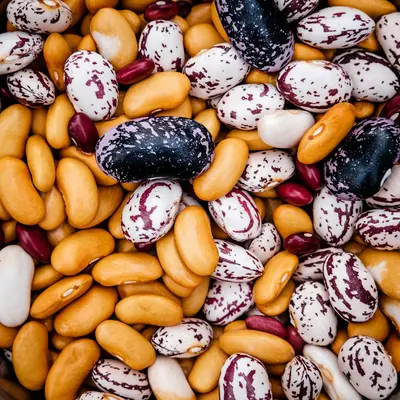
A premium yellow wax bean that delivers exceptional flavor and beautiful golden color to the garden and dinner table. This high-yielding variety produces straight, tender pods that hold their color and quality exceptionally well. Gold Rush is beloved by gardeners for its reliability, disease resistance, and outstanding fresh eating quality.
Harvest
50-55d
Days to harvest
Sun
Full sun
Zones
2–11
USDA hardiness
Difficulty
Easy
Planting Timeline
Showing dates for Gold Rush Bush Bean in USDA Zone 7
All Zone 7 bean →Zone Map
Click a state to update dates
Gold Rush Bush Bean · Zones 2–11
Growing Details
Succession Planting
Gold Rush produces in one main flush rather than continuously, so succession planting is the whole game if you want beans across the summer. Direct sow every 14 days starting when soil temps clear 60°F — below that, seeds rot before they sprout. In zone 7, that usually means April 1 through late June, putting your last planting's harvest around mid-August before disease pressure peaks.
The UGA Vegetable Garden Calendar flags May as the moment to make a third snap bean sowing alongside corn and squash — a useful nudge to keep the cadence going even when your first planting looks healthy and you're tempted to stop. Cut off successive sowings when daytime highs are consistently above 90°F; pods set poorly in that heat and you'll pull a lot of blanks.
Complete Growing Guide
Gold Rush Bush Beans perform best when direct sown into the garden rather than started indoors, as they germinate quickly and transplanting offers no advantage. Wait until after your last spring frost date when soil temperatures reach at least 60°F, ideally 70°F or warmer, as cold soil will cause the seeds to rot before sprouting. In most climates, this means sowing in late spring once the soil has warmed thoroughly. You can succession plant every two to three weeks until mid-summer to ensure continuous harvests rather than a single glut of beans.
Prepare your garden bed by working in compost or well-draining potting mix to a depth of at least 8 inches, as Gold Rush produces prolifically and needs good soil structure to support heavy yields. Sow seeds directly 1 to 1.5 inches deep and about 4 inches apart in rows spaced 18 to 24 inches apart. Once seedlings emerge and develop their first true leaves, thin them to 6 inches apart. While this variety is a bush type that doesn't require staking, proper spacing ensures air circulation and reduces disease pressure on the dense foliage.
Water consistently throughout the growing season, aiming for about 1 to 1.5 inches per week through rainfall or irrigation. Keep soil evenly moist but never waterlogged, especially at the base of plants where moisture invites fungal issues. Feed with a balanced, low-nitrogen fertilizer once plants flower, as excessive nitrogen encourages foliage at the expense of pod production. Gold Rush begins producing in just 50 to 55 days, so fertilizer should be light and late in the season.
Bean leaf beetles pose the most significant pest threat to Gold Rush, as these striped insects quickly defoliate young plants and can spread bacterial diseases. Scout plants regularly starting at emergence, and handpick beetles or spray with neem oil if infestations appear. Aphids and thrips may also visit, but Gold Rush's vigor typically tolerates light pressure. Japanese beetles occasionally feed on the foliage but rarely cause economic damage to established plants.
Although this variety boasts good disease resistance, watch for early signs of rust, which appears as yellow spots with brown pustules on leaf undersides. Remove affected leaves immediately and improve air circulation by maintaining proper spacing. Bacterial blight and anthracnose can also occur in overly wet conditions, making consistent but restrained watering essential.
The most common mistake gardeners make with Gold Rush is harvesting too late. Pick pods when they are tender and straight, around 5 to 6 inches long, while still young and before they mature and toughen. Frequent, early harvesting also encourages the plant to produce more flowers and pods, extending your harvest window well into fall.
Harvesting
Harvest Gold Rush beans when pods reach four to six inches long and display their characteristic bright golden-yellow color with a slight waxy sheen, while still snapping cleanly when bent. The pods should feel tender and firm, not limp or overly mature with visible bean bumps underneath the skin. This variety responds exceptionally well to continuous harvesting, where picking every two to three days throughout the season encourages prolonged pod production rather than a single heavy harvest. For optimal timing, pick in early morning after dew dries but before afternoon heat, as pods are crispest and most flavorful at this time. Regular harvesting prevents plants from setting seed and redirecting energy away from new flower development, ensuring consistent yields until frost.
The boat-shaped seed pods are bilaterally symmetrical and can be green, yellow, white, or purple at maturity. There is a wide variety of color and shape choices among cultivars.
Color: Gold/Yellow, Green, Purple/Lavender, White. Type: Legume. Length: > 3 inches. Width: < 1 inch.
Garden value: Edible, Good Dried
Harvest time: Fall, Summer
Storage & Preservation
Fresh Gold Rush beans maintain peak quality for 4-7 days when stored unwashed in perforated plastic bags in the refrigerator crisper drawer at 32-40°F. Don't wash until ready to use, as moisture accelerates deterioration.
For freezing, blanch whole pods in boiling water for 3 minutes, then immediately plunge into ice water. Drain thoroughly and package in freezer bags, removing excess air. Properly blanched beans maintain quality for 8-10 months frozen.
Gold Rush beans excel for pressure canning due to their firm texture and color retention. Follow USDA guidelines for canning green beans, processing pints for 20 minutes at 10 pounds pressure. The golden color holds beautifully through the canning process.
For pickle making, use young, tender pods within 24 hours of harvest. The sweet, buttery flavor of Gold Rush creates exceptional dilly beans that maintain their characteristic golden color and crisp texture when properly processed.
History & Origin
Gold Rush Bush Bean emerged from Burpee's breeding program in the 1980s as a yellow wax bean cultivar selected for consistent productivity and superior pod quality. Developed during an era of renewed American interest in heirloom and specialty bean varieties, Gold Rush represents the modern refinement of traditional wax bean genetics that trace back to 19th-century European breeding work. While detailed documentation of its specific parentage remains proprietary to Burpee Seeds, the variety reflects decades of selection for disease resistance, pod straightness, and color retention—traits that became increasingly important to commercial and home gardeners seeking reliable performance and market appeal.
Origin: Tropical America
Advantages
- +Produces straight, tender golden pods with exceptional sweet and buttery flavor
- +High-yielding variety that delivers reliable harvests consistently throughout the season
- +Ready to harvest in just 50-55 days from planting to table
- +Disease-resistant to rust, bacterial blight, and anthracnose, reducing fungicide needs
- +Maintains beautiful golden color and quality well after picking for storage
Considerations
- -Susceptible to bean leaf beetles, aphids, thrips, and Japanese beetles requiring management
- -Requires consistent moisture and well-draining soil to prevent pod quality decline
- -Pods can become fibrous and tough if harvested even a few days late
Companion Plants
Nasturtium and marigold pull their weight closest to the row. Nasturtiums act as a trap crop for aphids — the aphids pile onto them and largely leave the beans alone, which is a better outcome than spraying. French marigolds (Tagetes patula) produce scent compounds that deter thrips and bean leaf beetles; plant them at the bed edges rather than mixed in, so they don't shade the beans at the 4–6 inch spacing Gold Rush needs. Carrots and radishes are low-drama neighbors because their root zone doesn't compete with the shallow bean roots, and a quick radish row can break up light surface crust before your bean seeds finish their 7–10 day germination.
Onions and garlic are the ones to keep on the other side of the garden. Both Allium species release root exudates that interfere with the Rhizobium bacteria living on bean root nodules — the same nitrogen-fixing bacteria that make rotating legumes into a bed worthwhile in the first place, a point NC State Extension's organic gardening section makes directly. Sunflowers are allelopathic and also tall enough to drop a full-sun crop like Gold Rush into partial shade right during its 50–55 day sprint to harvest.
Plant Together
Nasturtium
Acts as trap crop for aphids and cucumber beetles, repels bean beetles
Carrots
Beans fix nitrogen that carrots need, carrots don't compete for space
Radishes
Break up soil for bean roots and mature quickly before beans need full space
Lettuce
Provides ground cover and benefits from nitrogen fixed by beans
Summer Savory
Repels bean beetles and may improve bean flavor and growth
Marigold
Repels Mexican bean beetles and aphids while attracting beneficial insects
Corn
Beans fix nitrogen for corn's heavy feeding needs
Cucumber
Benefits from nitrogen fixed by beans and doesn't compete for nutrients
Keep Apart
Onions
Can inhibit bean growth and nitrogen fixation through root compounds
Garlic
Allelopathic compounds can stunt bean growth and reduce yields
Sunflower
Allelopathic effects inhibit bean germination and growth
Nutrition Facts
Per 100g serving. % Daily Value based on 2,000 calorie diet. Source: USDA FoodData Central (FDC #2346400)
Pests & Disease Resistance
Resistance
Excellent resistance to bean common mosaic virus and white mold
Common Pests
Bean leaf beetles, aphids, thrips, Japanese beetles
Diseases
Rust, bacterial blight, anthracnose (resistant to many)
Troubleshooting Gold Rush Bush Bean
What you'll see, why it happens, and what to do about it.
Leaves with ragged chunks missing, edges chewed, sometimes with small holes punched through the blade
Likely Causes
- Bean leaf beetle (Cerotoma trifurcata) — one of UGA Extension's flagged defoliators on beans, active from planting through harvest
- Japanese beetles feeding in clusters, especially during hot spells
What to Do
- 1.Hand-pick beetles in the early morning when they're sluggish and drop them into soapy water
- 2.Monitor every other day — catching an infestation at 5 plants is far easier than at 50
- 3.If pressure is heavy, apply spinosad or pyrethrin per label timing, avoiding open flowers
Orange or rust-colored powdery pustules on the undersides of leaves, usually appearing 40–50 days after direct sow
Likely Causes
- Bean rust (Uromyces appendiculatus) — a fungal disease that moves fast in warm, humid conditions with poor airflow
- Overhead watering that keeps foliage wet for extended periods
What to Do
- 1.Switch to drip or soaker hose irrigation — deliver that 1 inch per week at soil level, not on the canopy
- 2.Strip and trash (don't compost) infected leaves as soon as you spot them
- 3.Rotate beans out of this bed for at least 2 seasons; rust spores persist in crop debris over winter
Water-soaked spots on pods and leaves that turn brown or black, sometimes ringed with yellow; plants look scorched in patches
Likely Causes
- Bacterial blight (Pseudomonas syringae pv. phaseolicola or Xanthomonas axonopodis) — spreads through rain splash and wet handling
- Working the bed when plants are wet, which moves bacteria from plant to plant on hands and tools
What to Do
- 1.Stay out of the bean rows when foliage is wet — this is one of the fastest vectors for bacterial blight
- 2.Remove infected material and bag it for the trash, not the compost pile
- 3.Next season, start with certified disease-free seed and move beans to a different bed — NC State Extension's IPM case study specifically flags planting beans in the same spot five years running as a compounding risk for soilborne disease
Frequently Asked Questions
How long does Gold Rush bush bean take to grow?▼
Can you grow Gold Rush beans in containers?▼
What do Gold Rush beans taste like?▼
When should I plant Gold Rush beans?▼
Are Gold Rush beans good for beginners?▼
Gold Rush vs Cherokee Trail of Tears beans - what's the difference?▼
Zone-by-Zone Planting Calendar
| Zone | Indoor Start | Transplant | Direct Sow | Harvest |
|---|---|---|---|---|
| Zone 1 | — | — | July – August | September – August |
| Zone 2 | — | — | June – August | September – September |
| Zone 11 | — | — | January – March | April – May |
| Zone 12 | — | — | January – March | April – May |
| Zone 13 | — | — | January – March | April – May |
| Zone 3 | — | — | June – July | August – October |
| Zone 4 | — | — | June – July | August – October |
| Zone 5 | — | — | May – June | August – September |
| Zone 6 | — | — | May – June | July – September |
| Zone 7 | — | — | April – June | July – August |
| Zone 8 | — | — | April – May | June – August |
| Zone 9 | — | — | March – April | May – July |
| Zone 10 | — | — | February – April | May – June |
Growing Guides from Wind River Greens
Sources & References
External authority sources used in compiling this guide.
See the Methodology page for how this data is sourced, what's AI-assisted, and known limitations.