Detroit Dark Red Bush Bean
Phaseolus vulgaris 'Detroit Dark Red'
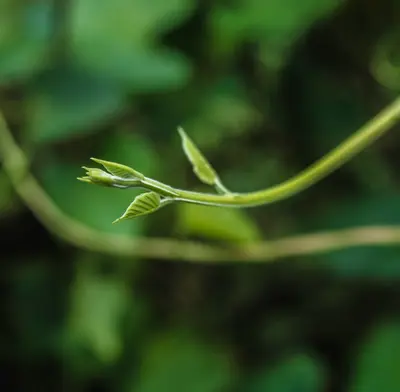
An eye-catching heirloom variety that produces deep burgundy-red pods on sturdy bush plants. While the pods turn green when cooked, they're absolutely stunning in the garden and at harvest. This productive variety offers the same great taste as traditional green beans with the added visual appeal of colorful pods.
Harvest
57-60d
Days to harvest
Sun
Full sun
Zones
2–11
USDA hardiness
Difficulty
Easy
Planting Timeline
Showing dates for Detroit Dark Red Bush Bean in USDA Zone 7
All Zone 7 bean →Zone Map
Click a state to update dates
Detroit Dark Red Bush Bean · Zones 2–11
Growing Details
Succession Planting
Direct sow every 10–14 days from April 1 through mid-June in zone 7, stopping when sustained daytime highs push past 90°F — bean flowers abort in that heat and pod set falls apart fast. At 57–60 days to harvest, a sowing on May 25 will still finish out in August before first frost. A final push after June 15 rarely pencils out; the days just aren't there before the season closes.
Complete Growing Guide
Detroit Dark Red Bush Bean thrives when direct sown into warm soil after all danger of frost has passed. Unlike many vegetables, this variety does not transplant well, so skip indoor seed starting and wait until soil temperatures reach at least 60°F, ideally 70°F or warmer. In most regions, this means sowing 1-2 weeks after your last spring frost date. Plant seeds ½ inch deep in rows spaced 18-24 inches apart, allowing 4-6 inches between individual seeds within each row. This spacing accommodates the sturdy, upright bush habit that Detroit Dark Red plants develop.
Prepare the soil before planting by working in compost or well-rotted manure to improve drainage and fertility. These beans prefer soil with a pH between 6.0 and 7.0 and will produce better in loose, well-draining soil rather than heavy clay. Avoid nitrogen-heavy fertilizers at planting time, as beans fix their own nitrogen through beneficial soil bacteria; excess nitrogen encourages leaf growth at the expense of pod production.
Water consistently throughout the growing season, providing about 1-1.5 inches per week through rainfall or irrigation. Keep soil evenly moist but not waterlogged, as the beans are prone to fungal diseases in overly wet conditions. Water at soil level in early morning to minimize foliar wetness that encourages disease. Once plants are established, a balanced fertilizer applied mid-season can support continued flowering and pod development.
Detroit Dark Red Bush Bean shows particular susceptibility to Mexican bean beetles, which can devastate plants quickly. Scout regularly for yellow egg clusters on leaf undersides and crush them before they hatch into hungry larvae. Handpicking beetles is effective for small infestations. Aphids, thrips, and leafhoppers may also appear; manage these with insecticidal soap or neem oil if populations warrant treatment. Watch for anthracnose, bacterial blight, and rust, which all favor wet foliage. Maintaining proper spacing for air circulation and avoiding overhead watering are critical preventive measures specific to this variety's disease vulnerability.
The burgundy-red pods are the signature feature of Detroit Dark Red, and many gardeners make the mistake of assuming they're underripe or unsuitable for harvest. Harvest pods when they're 4-6 inches long and still tender, just as you would green beans. The color will fade to green during cooking, but the mild flavor and tender texture justify this variety's space in your garden. For continuous harvests, make succession plantings every two weeks until 8-10 weeks before your first fall frost, allowing multiple picking periods throughout the season.
Harvesting
Harvest Detroit Dark Red Bush Beans when the deep burgundy pods reach four to six inches long and snap cleanly when bent, typically around 57-60 days from planting. The pods should feel firm and tender rather than swollen or papery, indicating peak maturity before seeds enlarge inside. For maximum yield, pick every two to three days using a continuous harvest method rather than waiting for all pods to mature simultaneously, as regular removal encourages the plant to produce more flowers and beans throughout the season. A critical timing tip: harvest in the early morning when pods are crisp and cool from overnight, as beans picked in afternoon heat may become limp and lose their characteristic snap.
The boat-shaped seed pods are bilaterally symmetrical and can be green, yellow, white, or purple at maturity. There is a wide variety of color and shape choices among cultivars.
Color: Gold/Yellow, Green, Purple/Lavender, White. Type: Legume. Length: > 3 inches. Width: < 1 inch.
Garden value: Edible, Good Dried
Harvest time: Fall, Summer
Storage & Preservation
Fresh Detroit Dark Red beans store best in the refrigerator crisper drawer in a perforated plastic bag for up to one week. Avoid washing until ready to use, as excess moisture causes rapid deterioration.
For freezing, blanch whole pods in boiling water for 3 minutes, plunge into ice water, drain thoroughly, and freeze in portions. The red color will fade during blanching but flavor remains excellent. These beans also pressure can beautifully following USDA guidelines for green beans.
For unique preservation, try pickling young tender pods while they retain their striking red color—they make stunning refrigerator pickles. The pods can also be fermented like traditional dilly beans, though they'll lose their distinctive color during fermentation. Avoid dehydrating as bush beans don't dry well compared to shell bean varieties.
History & Origin
The Detroit Dark Red Bush Bean emerged from the broader tradition of colored-pod bean varieties developed in American home gardens and commercial seed programs during the early-to-mid twentieth century. While specific breeder attribution and introduction date remain poorly documented in readily available sources, this variety reflects the heritage bean breeding work common among heirloom seed companies and regional agricultural communities. The "Detroit" designation suggests Midwestern American origins, likely connected to regional seed catalogs and gardening practices of that era. Its development built upon earlier ornamental and dual-purpose bean lines, though comprehensive records of its exact parentage and formalization have not been widely preserved in modern seed literature.
Origin: Tropical America
Advantages
- +Stunning deep burgundy pods make this heirloom visually striking in gardens
- +Matures quickly in 57-60 days, perfect for succession planting cycles
- +Bush habit requires no trellising, ideal for small space gardeners
- +Tender, sweet flavor matches or exceeds standard green bean varieties
- +Highly productive plants deliver abundant harvests throughout the season
Considerations
- -Susceptible to multiple diseases including anthracnose, blight, rust, and mildew
- -Mexican bean beetles and aphids frequently target this variety aggressively
- -Colorful pods lose their burgundy appeal when cooked, turning ordinary green
Companion Plants
Marigolds (French marigolds, Tagetes patula) planted at the bed edges — not scattered randomly — concentrate their scent-based deterrence against aphids and leafhoppers. Summer savory has a solid track record against Mexican bean beetle (Epilachna varivestis) and takes up almost no space at 4–6 inches per plant. Radishes and carrots fit well here because their roots work at a different depth than bean roots, so there's no real competition for water at the 6-inch mark. Onions and garlic are the ones to pull from the plan entirely — their allelopathic compounds visibly stunt bean growth within a few feet, and no spacing trick fixes that.
Plant Together
Marigold
Repels Mexican bean beetles and aphids while attracting beneficial insects
Nasturtium
Acts as trap crop for aphids and cucumber beetles, protecting beans
Carrots
Loosens soil for bean roots and doesn't compete for nutrients
Radishes
Breaks up compacted soil and deters bean beetles
Lettuce
Shallow roots don't compete with beans, benefits from bean's nitrogen fixation
Spinach
Cool-season crop that utilizes nitrogen fixed by beans
Cucumber
Beans provide nitrogen while cucumbers use different soil nutrients
Summer Savory
Repels bean beetles and may improve bean flavor and growth
Keep Apart
Onions
Can inhibit bean growth and nitrogen fixation by root bacteria
Garlic
Allelopathic compounds can stunt bean growth and reduce yields
Sunflowers
Compete heavily for nutrients and water, can shade out bush beans
Nutrition Facts
Per 100g serving. % Daily Value based on 2,000 calorie diet. Source: USDA FoodData Central (FDC #2346400)
Pests & Disease Resistance
Resistance
Moderate resistance to common bean diseases
Common Pests
Mexican bean beetles, aphids, thrips, leafhoppers
Diseases
Anthracnose, bacterial blight, rust, powdery mildew
Troubleshooting Detroit Dark Red Bush Bean
What you'll see, why it happens, and what to do about it.
Leaves with irregular chunks missing, sometimes skeletonized, around weeks 5–7 after sowing
Likely Causes
- Mexican bean beetle (Epilachna varivestis) — adults and larvae both feed on leaf tissue from the underside
- Plants in the same bed for multiple consecutive seasons, which lets overwintering adults recolonize fast
What to Do
- 1.Hand-pick egg clusters (yellow, oval, laid in groups on leaf undersides) and drop them in soapy water
- 2.Spray neem oil or spinosad on leaf undersides every 5–7 days until pressure drops
- 3.Rotate beans out of this bed for at least 2 seasons — NC State Extension's IPM guidance specifically flags repeat planting in the same spot as a risk factor
Dark sunken lesions on pods, brown to black spots with pink or salmon centers on leaves, appearing in wet weather
Likely Causes
- Anthracnose (Colletotrichum lindemuthianum) — fungal, spreads fast in humid conditions above 60°F
- Overhead watering or rain splash moving spores from soil or infected debris onto foliage
What to Do
- 1.Pull and trash (don't compost) any infected plant material immediately
- 2.Switch to drip or soaker irrigation — keeping foliage dry cuts off the main transmission route for Colletotrichum
- 3.Don't save seed from an infected crop; this pathogen is seed-borne and you'll carry it straight into next year
Leaves stippled, bronzed, or curled; small sticky deposits on new growth; plants look generally stunted
Likely Causes
- Aphids (including bean aphid, Aphis fabae) feeding in clusters on tender shoots
- Thrips or leafhoppers causing similar stippling — use a hand lens to tell them apart before you treat
What to Do
- 1.Knock aphids off with a firm spray of water; repeat every 2–3 days for a week
- 2.If pressure is heavy, apply insecticidal soap directly to colonies, coating the undersides of leaves where they cluster
- 3.Pull any weedy borders near the bed — leafhoppers move in from surrounding vegetation, and a clean perimeter slows them down
Frequently Asked Questions
Do Detroit Dark Red beans stay red when cooked?▼
How long does Detroit Dark Red bush bean take to grow?▼
Can you grow Detroit Dark Red beans in containers?▼
Is Detroit Dark Red bush bean good for beginners?▼
When should I plant Detroit Dark Red bush beans?▼
What do Detroit Dark Red beans taste like compared to regular green beans?▼
Zone-by-Zone Planting Calendar
| Zone | Indoor Start | Transplant | Direct Sow | Harvest |
|---|---|---|---|---|
| Zone 1 | — | — | July – August | September – August |
| Zone 2 | — | — | June – August | September – September |
| Zone 11 | — | — | January – March | April – May |
| Zone 12 | — | — | January – March | April – May |
| Zone 13 | — | — | January – March | April – May |
| Zone 3 | — | — | June – July | August – October |
| Zone 4 | — | — | June – July | August – October |
| Zone 5 | — | — | May – June | August – September |
| Zone 6 | — | — | May – June | July – September |
| Zone 7 | — | — | April – June | July – August |
| Zone 8 | — | — | April – May | June – August |
| Zone 9 | — | — | March – April | May – July |
| Zone 10 | — | — | February – April | May – June |
Growing Guides from Wind River Greens
Sources & References
External authority sources used in compiling this guide.
See the Methodology page for how this data is sourced, what's AI-assisted, and known limitations.