Cobra
Phaseolus vulgaris
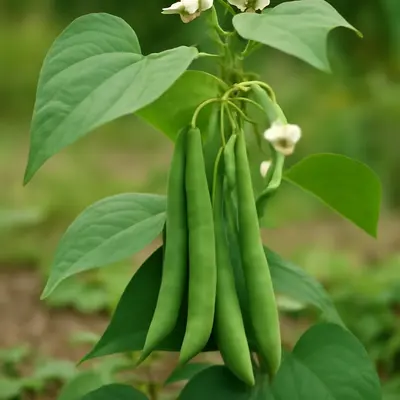
Straight, medium-green pods with sweet flavor. The pods are shorter than Fortex's at 6-7", but are faster to mature. Purple flowers. Black seeds. Pole bean; requires trellising.
Harvest
55d
Days to harvest
Sun
Full sun
Zones
2–11
USDA hardiness
Height
6-8 feet
Planting Timeline
Showing dates for Cobra in USDA Zone 7
All Zone 7 bean →Zone Map
Click a state to update dates
Cobra · Zones 2–11
Growing Details
Succession Planting
Direct sow Cobra every 14–21 days once soil temps reach 60°F — in zone 7 that lines up with roughly April 1, and the UGA planting calendar runs the window through June. At 55 days to harvest, three or four successions gives you staggered pickings from July through early September without everything coming in at once.
Stop sowing about 70 days before your first expected fall frost. Pod set drops off sharply when daytime highs stay above 90°F, so pushing a late sowing to catch cooler September temperatures works better than trying to fight through peak summer heat with fresh seed.
Complete Growing Guide
Cobra beans thrive when direct sown into warm soil after all danger of frost has passed. Unlike some slower varieties, Cobra's 55-day maturity means you can sow seeds as soon as soil temperatures reach 60°F, though germination will be faster and more reliable once soil warms to 70°F or higher. This variety doesn't benefit from indoor sowing since the seeds are vigorous and direct seeding reduces transplant shock. Count backward from your first fall frost date to determine your final sowing window, allowing about eight weeks for a full harvest before cold weather arrives.
Prepare your soil by working in compost or well-rotted manure before planting, as Cobra beans prefer fertile, well-draining conditions with a pH between 6.0 and 7.0. Space seeds 4 inches apart along your trellis or support structure, pressing them 1 inch deep into moist soil. Since Cobra is a pole bean, install your trellising before sowing—sturdy stakes, twine, or a traditional bean tower works well. The vines will reach 6 to 8 feet, so ensure your support system is robust enough to handle mature plants laden with pods.
Water Cobra consistently, providing about 1 to 1.5 inches per week through drip irrigation or soaker hoses to keep soil evenly moist but never waterlogged. Once flowering begins, maintain steady moisture; inconsistent watering during pod development causes blossom drop and misshapen pods. Feed with a balanced fertilizer every three weeks, or use a side dressing of compost. Avoid nitrogen-heavy fertilizers, which encourage excessive foliage at the expense of flowers and pods.
Cobra beans show particular susceptibility to spider mites during hot, dry summers, which can cause premature yellowing and reduced yields. Watch for fine webbing on leaves and mottled damage, especially on the undersides of foliage. Increase humidity through regular misting and ensure adequate spacing for air circulation. Anthracnose, a fungal disease, also affects this variety—avoid overhead watering and remove any spotted leaves promptly.
Proper trellising is essential for Cobra; pole beans must climb to thrive, and poor supports result in tangled vines and difficult harvesting. Train young shoots upward as they emerge, and they'll naturally twine around supports. Succession plant every two weeks until eight weeks before your first frost to ensure continuous harvests throughout the season rather than one concentrated flush.
The most common mistake gardeners make with Cobra is waiting too long to harvest. Pick pods when they're 6 to 7 inches long and still bright green—waiting for full maturity makes them tough and stringy, destroying the sweet flavor that makes this variety worth growing. Regular picking also encourages continued flowering and heavier overall production.
Harvesting
Cobra reaches harvest at 55 days from sowing per Johnny's Selected Seeds. Expect 6-7" at peak. As an annual, harvest continues until frost ends the season.
The boat-shaped seed pods are bilaterally symmetrical and can be green, yellow, white, or purple at maturity. There is a wide variety of color and shape choices among cultivars.
Color: Gold/Yellow, Green, Purple/Lavender, White. Type: Legume. Length: > 3 inches. Width: < 1 inch.
Garden value: Edible, Good Dried
Harvest time: Fall, Summer
Storage & Preservation
Cobra beans are best stored fresh in a perforated plastic bag in the refrigerator's crisper drawer at 45–50°F with 85–90% humidity, where they'll keep for 5–7 days. For longer storage, freezing is ideal: blanch pods for 3 minutes, cool in ice water, drain thoroughly, and freeze in airtight containers or vacuum-sealed bags for up to 10 months. Pressure canning is reliable for preserved beans; follow standard tested recipes at 10 PSI for pints. Dried beans can be allowed to mature fully on the plant, then shelled and stored in airtight containers in a cool, dry place for several years. Cobra's relatively short 55-day maturity means succession planting allows multiple harvests within a season, so consider staggering sowings to ensure a continuous supply for both fresh eating and preservation.
History & Origin
Cobra is open-pollinated, meaning seed saved from healthy plants will produce true-to-type offspring. Listed in the Johnny's Selected Seeds catalog.
Origin: Tropical America
Advantages
- +Fast maturation at 55 days means quicker harvests than longer-season varieties
- +Sweet flavor and medium-green pods make excellent fresh eating and cooking
- +Purple flowers add ornamental beauty while producing edible beans
- +Easy difficulty rating suits beginner and experienced gardeners alike
- +Shorter 6-7 inch pods are convenient for harvesting and eating whole
Considerations
- -Requires trellising infrastructure, adding setup labor and garden space demands
- -Pole bean growth habit produces lower total yields than bush varieties
- -Black seeds indicate potential for disease susceptibility in humid climates
Companion Plants
Corn gives Cobra something to climb and cuts your trellis work down considerably — a practical reason to pair them that has nothing to do with pest management. Squash fills in below, shading the ground enough to hold moisture and crowd out weeds through the heat of July. French marigolds (Tagetes patula) at the bed ends pull their weight against aphids and spider mites without much fuss, and summer savory has a solid track record against bean beetles specifically — it's compact enough to tuck in at 6-inch spacing without competing for light.
Onions and garlic are a harder no than most harmful companions. Both release sulfur compounds that suppress the Rhizobium bacteria living on bean roots — the same bacteria responsible for fixing atmospheric nitrogen into the soil. You'd be growing beans in the worst possible way. Fennel is allelopathic to most vegetables in a mixed bed and should stay in its own container or out of the garden entirely.
Plant Together
Marigold
Repels bean beetles, aphids, and nematodes while attracting beneficial insects
Corn
Provides natural support structure for climbing beans in Three Sisters planting
Squash
Ground cover reduces weeds and retains soil moisture for bean roots
Carrots
Loose soil from carrot growth improves bean root development and nitrogen fixation
Nasturtium
Acts as trap crop for aphids and cucumber beetles, protecting bean plants
Radish
Breaks up compacted soil and deters bean root fly with its pungent roots
Catnip
Repels bean weevils, aphids, and flea beetles through natural compounds
Summer Savory
Improves bean flavor and growth while repelling bean beetles
Keep Apart
Onion
Inhibits bean growth and nitrogen fixation through allelopathic compounds
Garlic
Stunts bean development and interferes with beneficial rhizobia bacteria
Fennel
Releases allelopathic chemicals that inhibit bean germination and growth
Sunflower
Competes heavily for nutrients and water while releasing growth-inhibiting chemicals
Nutrition Facts
Per 100g serving. % Daily Value based on 2,000 calorie diet. Source: USDA FoodData Central (FDC #2346400)
Pests & Disease Resistance
Common Pests
Bean beetles, spider mites, aphids
Diseases
Bean rust, anthracnose, powdery mildew
Troubleshooting Cobra
What you'll see, why it happens, and what to do about it.
Leaves with ragged chunks missing, sometimes skeletonized, on plants around 7 weeks old
Likely Causes
- Mexican bean beetle (Epilachna varivestis) — larvae and adults both feed on leaf tissue from the underside, leaving that lacy, chewed-up look
- Bean leaf beetle (Cerotoma trifurcata) — chews irregular holes straight through the leaf
What to Do
- 1.Check the undersides of leaves for yellow egg clusters or soft, spiny larvae and crush them by hand — daily scouting at 7 weeks makes a real difference before populations explode
- 2.Apply spinosad or neem oil if numbers are heavy, targeting leaf undersides where feeding happens
- 3.Rotate beans out of this bed next season — NC State Extension's IPM guidance notes that planting beans in the same spot 5+ consecutive years builds up pest pressure from overwintering adults nearby
Orange or rust-colored pustules on leaf undersides with yellowing spreading across the upper surface
Likely Causes
- Bean rust (Uromyces appendiculatus) — a fungal pathogen that spreads by airborne spores and moves fast in warm, humid conditions with poor airflow
- Overhead irrigation that keeps foliage wet for extended periods
What to Do
- 1.Switch to a soaker hose if you aren't already — keeping water off the leaves slows spore spread significantly and costs nothing to fix mid-season
- 2.Strip and trash (not compost) heavily infected leaves as soon as you spot pustules
- 3.Apply a sulfur-based fungicide at first sign; reapply every 7–10 days during humid stretches
Frequently Asked Questions
How long does Cobra bean take to mature?▼
Is Cobra bean good for beginners?▼
Can you grow Cobra beans in containers?▼
What does Cobra bean taste like?▼
When should I plant Cobra beans?▼
How much space do Cobra beans need?▼
Zone-by-Zone Planting Calendar
| Zone | Indoor Start | Transplant | Direct Sow | Harvest |
|---|---|---|---|---|
| Zone 3 | — | — | June – July | August – October |
| Zone 4 | — | — | June – July | August – October |
| Zone 5 | — | — | May – June | August – September |
| Zone 6 | — | — | May – June | July – September |
| Zone 7 | — | — | April – June | July – August |
| Zone 8 | — | — | April – May | June – August |
| Zone 9 | — | — | March – April | May – July |
| Zone 10 | — | — | February – April | May – June |
| Zone 1 | — | — | July – August | September – August |
| Zone 2 | — | — | June – August | September – September |
| Zone 11 | — | — | January – March | April – May |
| Zone 12 | — | — | January – March | April – May |
| Zone 13 | — | — | January – March | April – May |
Growing Guides from Wind River Greens
Sources & References
External authority sources used in compiling this guide.
- BreederJohnny's Selected Seeds
- USDAUSDA FoodData Central
See the Methodology page for how this data is sourced, what's AI-assisted, and known limitations.