Cherokee Purple Bean
Phaseolus vulgaris 'Cherokee Trail of Tears'
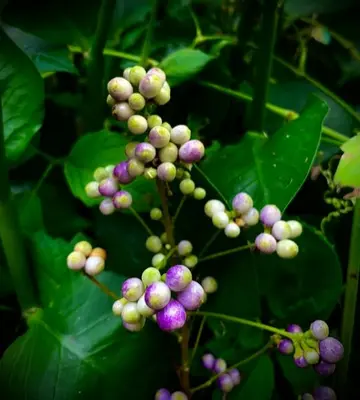
Cherokee Purple Bean is a stunning heirloom snap bean variety prized for its distinctive dark purple pods that mature in approximately 72 days. The beans are notably slender and tender with an excellent snap texture when picked at peak immaturity. This variety delivers a sweet, mild flavor that stands out among purple bean cultivars, making it equally suited for fresh eating, steaming, or stir-frying. The plants produce prolifically in full sun, and the vibrant purple color adds visual appeal to any garden bed. True to its heirloom heritage, Cherokee Purple Bean offers home gardeners an unusual yet reliable producer with superior taste and texture.
Harvest
72d
Days to harvest
Sun
Full sun
Zones
10–11
USDA hardiness
Height
1-10 feet
Planting Timeline
Showing dates for Cherokee Purple Bean in USDA Zone 7
All Zone 7 bean →Zone Map
Click a state to update dates
Cherokee Purple Bean · Zones 10–11
Growing Details
Succession Planting
Direct sow Cherokee Trail of Tears every 3 weeks starting April 1 in zone 7, and plan your last sowing no later than mid-June. The UGA Vegetable Garden Calendar flags a third planting of pole and snap beans in May, which fits the rhythm well — soil needs to be above 60°F for reliable germination, and emergence takes 7–10 days. A June 15 sowing puts harvest right around late August at 72 days out, which works fine as temperatures start dropping at night.
Don't push past that mid-June cutoff. Pole beans drop flowers and fail to set pods once daytime highs are consistently above 90°F, and Georgia's August is not kind to pollination. Two or three sowings from April through early June will stretch your harvest window further than any single planting stretched into midsummer heat.
Complete Growing Guide
Cherokee Purple Beans thrive when direct sown into the garden after all danger of frost has passed and soil temperatures reach at least 60°F, ideally 70°F or warmer. Unlike some beans, this variety does not respond well to indoor starting, as the transplants often struggle with the transition to garden conditions. Count back 50-55 days from your desired harvest date and sow seeds directly into prepared beds once nighttime temperatures consistently stay above 50°F. In most regions, this means planting in late spring, typically mid-May through early June, depending on your location.
Prepare your soil by working in compost or well-rotted organic matter to ensure good drainage and fertility. Cherokee Purple Beans prefer slightly acidic to neutral soil with a pH between 6.0 and 7.0. Sow seeds one inch deep and space them three to four inches apart in rows spaced twelve inches wide for this bush variety. Thin seedlings once they emerge if needed, though direct spacing usually minimizes this step. These beans don't require heavy nitrogen, so avoid over-fertilizing with high-nitrogen feeds that would encourage excessive foliage at the expense of pods.
Water deeply but infrequently, aiming for one to two inches per week depending on rainfall and heat. Consistent moisture is crucial during flowering and pod development; inconsistent watering causes the spectacular purple pods to become tough and stringy. Once established, Cherokee Purple Beans are relatively drought-tolerant compared to other bean varieties, but mulching around plants conserves moisture and keeps soil cool during hot spells.
This heirloom is particularly susceptible to bean beetles and Japanese beetles, which are attracted to the striking purple foliage. Scout plants twice weekly beginning at bloom time, removing beetles and egg clusters by hand before populations explode. Aphids and spider mites thrive in hot, dry conditions, so maintaining adequate moisture and occasional foliar misting can help prevent infestations. The purple pod color sometimes masks early pest damage, so inspect the undersides of leaves regularly.
Watch vigilantly for bacterial blight and anthracnose, especially during wet springs or if overhead watering wets the foliage. These diseases spread rapidly on beans and can devastate an entire planting. Water at soil level only, avoid working in the garden when plants are wet, and remove any spotted or discolored pods immediately. Bean mosaic virus is less common but devastating; control aphids aggressively to reduce transmission risk.
One critical mistake gardeners make with Cherokee Purple Beans is harvesting too late. The pods look beautiful as they mature, encouraging growers to leave them longer than they should. Pick pods when they're still young and tender—around three to four inches long—to encourage continued production and maintain the tender texture this variety is known for. Waiting for full maturity results in tough, fibrous pods and prematurely stops the plant from setting new flowers.
Harvesting
Harvest Cherokee Purple Bean pods when they reach full size of 8-12 ounces with the characteristic dusky pink coloring and dark shoulders fully developed, and when the pod feels firm yet snaps cleanly when bent. The multilocular interior should display mature color ranging from purple to brown, visible through the translucent pod skin. For continuous production throughout the season, pick pods regularly every 2-3 days rather than waiting for a single large harvest, as this encourages the indeterminate vines to set additional flowers. Timing your harvests in early morning when pods are crisp and turgid ensures optimal snap and flavor quality, preventing the beans from becoming tough or losing their characteristically tender texture.
The fruits are smooth, shiny, glossy, and are classified as berries. The size, shape, and color will vary depending on the variety or cultivar. The color of the fruits may be red, yellow, orange, green, purple, or pink. The fruits may contain over 100 yellow to light brown seeds.
Color: Gold/Yellow, Green, Orange, Pink, Purple/Lavender, Red/Burgundy, Variegated. Type: Berry. Length: > 3 inches. Width: > 3 inches.
Garden value: Edible, Showy
Harvest time: Fall, Summer
Edibility: The fruits or berries of the tomato are edible. They may be eaten raw, cooked, dried, or processed. They are a rich source of Vitamin A, Vitamin C, folic acid, and antioxidants. Lycopene is an antioxidant that gives the tomato its rich red color. Many plants will drop fruit when ripe or the fruit will come off easily. Tomatoes will continue to ripen once picked. Store them at room temperature.
Storage & Preservation
Fresh Cherokee Purple beans stay crisp for 7-10 days in your refrigerator's crisper drawer, stored in a perforated plastic bag to maintain humidity while allowing air circulation. Don't wash them until you're ready to use them, as excess moisture promotes spoilage.
For freezing, blanch whole pods in boiling water for 3 minutes, then immediately plunge into ice water. Once cooled, trim ends and freeze in portions for up to 8 months. The purple color will fade to green during blanching, but flavor remains excellent.
These beans pickle beautifully – their tender texture and mild flavor work perfectly in dilly bean recipes. You can also ferment them into a tangy, probiotic-rich side dish using a 3% salt brine. For long-term storage, let some pods mature fully on the plant until they're dry and papery, then shell out the beans for dried storage in airtight containers.
History & Origin
The Cherokee Purple tomato, from which this variety draws its name and heritage, originated as a landrace variety maintained by Cherokee Nation members and other Appalachian gardeners throughout the twentieth century. While detailed documentation of its initial development remains sparse, the variety represents a broader tradition of heirloom tomato preservation within indigenous and rural communities. The variety gained wider recognition and commercialization beginning in the 1990s through seed savers and heirloom enthusiasts who worked to document and propagate regional varieties. This particular "Cherokee Purple Bean" appears to reference that same cultural heritage, though the specific breeding history connecting the original Cherokee Purple tomato to this bean variety requires further documentation.
Origin: Peru
Advantages
- +Distinctive dusky pink color with dark shoulders creates visually striking garden beds
- +Sweet, tender flavor with excellent snap bean texture appeals to fresh eating enthusiasts
- +Relatively short vines require less trellising space than many indeterminate varieties
- +72-day maturity allows multiple successions in most growing seasons
Considerations
- -Susceptible to bean mosaic virus, bacterial blight, anthracnose, and rust diseases
- -Bean beetles, aphids, spider mites, and cucumber beetles frequently target this variety
- -Multilocular interior complexity may make seed saving challenging for beginners
Companion Plants
The three sisters — corn, beans, and squash — hold up under scrutiny. Pole beans fix atmospheric nitrogen through Rhizobium bacteria in their roots, which slowly feeds the heavy-feeding corn and squash planted alongside them. Corn gives the beans something to climb, which matters for a variety that can hit 10 feet. Squash sprawls at ground level and shades out weeds while slowing moisture loss — in our zone 7 Georgia garden, where July can go dry fast, that living mulch does real work you'd otherwise be doing with a hose and a hoe.
Marigolds and nasturtiums pull weight for different reasons. French marigolds (Tagetes patula) produce a root exudate that suppresses soil nematodes — a persistent problem in Georgia's sandy and clay soils — and their scent disrupts cucumber beetles and aphids searching for a landing spot. Nasturtiums act as trap crops, drawing aphid pressure onto themselves and concentrating it somewhere you can actually deal with it. Summer savory has a specific reputation with beans going back centuries; the claim is beetle deterrence, and since it takes up almost no space tucked along a bed edge, there's little reason not to plant it at 12-inch intervals and see what happens.
Onions and garlic are a different story. Alliums produce sulfur compounds that inhibit the Rhizobium bacteria living on bean roots — the same bacteria responsible for nitrogen fixation. Put them too close and you're actively cutting off the bean's ability to feed itself. Sunflowers are aggressive competitors for water and release allelopathic compounds from their roots and decaying tissue, so give them a separate bed at least 3–4 feet away.
Plant Together
Marigold
Repels Mexican bean beetles and aphids, reduces nematode populations in soil
Corn
Provides natural trellis support for climbing beans, part of Three Sisters planting method
Squash
Large leaves suppress weeds and retain soil moisture, completes Three Sisters companion trio
Carrots
Beans fix nitrogen in soil which carrots utilize, carrots help loosen soil for bean roots
Nasturtium
Acts as trap crop for aphids and cucumber beetles, repels bean beetles
Summer Savory
Repels bean beetles and aphids, may improve bean flavor when grown nearby
Rosemary
Strong scent deters bean beetles, Mexican bean beetles, and carrot flies
Radish
Quick-growing crop that breaks up soil, harvested before beans need full space
Keep Apart
Onion
Stunts bean growth and reduces yields through root competition and allelopathic compounds
Garlic
Inhibits bean germination and growth through sulfur compounds released by roots
Sunflower
Allelopathic chemicals inhibit bean growth, competes heavily for nutrients and water
Nutrition Facts
Per 100g serving. % Daily Value based on 2,000 calorie diet. Source: USDA FoodData Central (FDC #2346400)
Pests & Disease Resistance
Resistance
Good general disease resistance typical of hardy heirlooms
Common Pests
Bean beetles, aphids, spider mites, cucumber beetles
Diseases
Bean mosaic virus, bacterial blight, anthracnose, rust
Troubleshooting Cherokee Purple Bean
What you'll see, why it happens, and what to do about it.
Leaves have chunks missing, edges ragged or skeletonized, starting around week 6–7
Likely Causes
- Mexican bean beetle (Epilachna varivestis) — adults and larvae both feed on leaf tissue from the underside
- Bean leaf beetle (Cerotoma trifurcata) — leaves round holes, can also transmit bean pod mottle virus
What to Do
- 1.Check the undersides of leaves for yellow egg clusters or orange, spiny larvae — hand-pick and drop in soapy water
- 2.Row cover early in the season blocks adult beetles before they establish; remove at flowering so pollinators can get in
- 3.Rotate this bed out of beans and all other legumes for at least one full season — NC State Extension notes that planting beans in the same spot year after year lets pest populations build
Water-soaked, angular brown or tan spots on leaves, sometimes with a yellow halo; pods show dark, sunken lesions
Likely Causes
- Bacterial blight (Pseudomonas syringae pv. phaseolicola or Xanthomonas axonopodis pv. phaseoli) — spreads fast in wet, warm conditions
- Anthracnose (Colletotrichum lindemuthianum) — a fungal disease favored by cool, wet weather early in the season
What to Do
- 1.Stop overhead watering immediately — switch to a soaker hose delivering about 1 inch per week to keep foliage dry
- 2.Pull and trash (not compost) any severely affected plants to slow spread
- 3.Don't work in the bed when leaves are wet; both pathogens travel on hands, tools, and clothing
Leaves curl, mottle yellow-green, and plants look stunted despite adequate water and fertilizer
Likely Causes
- Bean common mosaic virus (BCMV) — seed-borne and aphid-transmitted, hits pole beans hard
- Aphid colonies (Aphis fabae or Acyrthosiphon pisum) feeding on new growth and vectoring the virus
What to Do
- 1.Look for soft, clustered insects on the growing tips — a hard spray of water knocks them back; repeat every 2–3 days
- 2.Infected plants won't recover from mosaic virus; pull them entirely so aphids don't carry it to healthy plants nearby
- 3.Source certified disease-free seed next season — Cherokee Trail of Tears is an heirloom with documented mosaic susceptibility, so seed origin matters more than it does for modern varieties
Frequently Asked Questions
How long do Cherokee Purple beans take to grow?▼
Do Cherokee Purple beans turn green when cooked?▼
Can you grow Cherokee Purple beans in containers?▼
Are Cherokee Purple beans good for beginners?▼
When should I plant Cherokee Purple bean seeds?▼
What do Cherokee Purple beans taste like?▼
Zone-by-Zone Planting Calendar
| Zone | Indoor Start | Transplant | Direct Sow | Harvest |
|---|---|---|---|---|
| Zone 1 | — | — | July – August | October – August |
| Zone 2 | — | — | June – August | September – September |
| Zone 11 | — | — | January – March | April – June |
| Zone 12 | — | — | January – March | April – June |
| Zone 13 | — | — | January – March | April – June |
| Zone 3 | — | — | June – July | August – October |
| Zone 4 | — | — | June – July | August – October |
| Zone 5 | — | — | May – June | August – September |
| Zone 6 | — | — | May – June | July – September |
| Zone 7 | — | — | April – June | July – August |
| Zone 8 | — | — | April – May | June – August |
| Zone 9 | — | — | March – April | May – July |
| Zone 10 | — | — | February – April | May – June |
Growing Guides from Wind River Greens
Sources & References
External authority sources used in compiling this guide.
See the Methodology page for how this data is sourced, what's AI-assisted, and known limitations.