Carminat
Phaseolus vulgaris
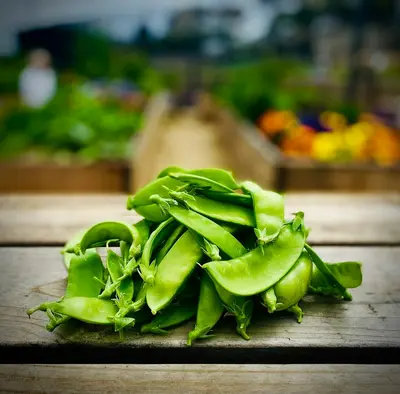
Much nicer than older purple pole bean varieties. Harvest pods at 8-9". Excellent, rich, and slightly sweet flavor. Suitable for fresh use in salads or cooked. Beans turn green when cooked. Tan seeds. Pole bean; requires trellising.
Harvest
62d
Days to harvest
Sun
Full sun
Zones
2–11
USDA hardiness
Height
4-5 feet
Planting Timeline
Showing dates for Carminat in USDA Zone 7
All Zone 7 bean →Zone Map
Click a state to update dates
Carminat · Zones 2–11
Growing Details
Succession Planting
Direct sow Carminat every 14-18 days once soil temps reach 60°F — roughly April 1 in zone 7 — through early June. That cadence staggers harvest across July, August, and into September without dumping everything on you at once. The UGA Extension vegetable calendar specifically recommends a third succession planting in May for snap beans, so you're not improvising here.
Stop sowing by late June in zone 7. Beans germinated in soil above 85°F show poor emergence rates, and vines setting flowers during peak August heat tend to drop blossoms before pods develop. Let your last succession carry you through rather than push a late planting that stalls out in the heat.
Complete Growing Guide
Carminat pole beans are best started by direct sowing seeds into warm soil rather than starting indoors, as they dislike transplanting and germinate quickly in ideal conditions. Wait until after your last frost date and soil temperatures reach at least 60°F, ideally closer to 65-70°F, before sowing. In most regions, this means planting in late spring. If you're in a cooler climate, you can warm the soil with black plastic mulch for two weeks before sowing to accelerate germination and give your plants the longest possible season to reach their 62-day maturity window.
Sow seeds one inch deep and space them four to six inches apart along your trellis or support structure. Carminat's vigorous vining habit means proper spacing is essential—crowded plants struggle with air circulation and become disease-prone. Prepare your soil thoroughly before planting by working in two to three inches of compost or well-rotted manure; these beans perform best in rich, well-draining soil with a pH between 6.0 and 7.0. Poor soil preparation is a common oversight that reduces the sweetness and yield of this variety, so don't skip this step.
Water consistently throughout the growing season, providing about one inch per week through rainfall or irrigation. Carminat prefers evenly moist soil without waterlogging—soggy conditions invite root rot, which this variety is somewhat susceptible to during wet springs. Feed with a balanced fertilizer when plants flower, or apply a side-dressing of compost. Avoid high-nitrogen formulations, which promote excessive foliage at the expense of pod production.
The biggest mistake gardeners make with Carminat is neglecting proper trellising support. These are vigorous pole beans that demand sturdy structures—a simple string or twine trellis isn't sufficient. Use sturdy poles, a strong fence, or a well-constructed bean tower at least six feet tall. Poor support leads to tangled, difficult-to-harvest plants and broken vines under the weight of maturing pods.
Watch for spider mites and Mexican bean beetles, both of which particularly target purple-podded varieties. Inspect the undersides of leaves regularly and hand-pick beetles when populations are light. Carminat shows moderate resistance to common bean diseases like rust and anthracnose, but poor air circulation exacerbates these problems, making pruning of lower leaves beneficial once plants are established.
Begin harvesting when pods reach eight to nine inches—this is the sweet spot for Carminat's famous rich flavor and tender texture. Harvest every two to three days to encourage continued production; overlooked beans slow flowering. For succession planting in regions with long growing seasons, sow new seeds every three weeks through midsummer for fall harvests. The purple pods will turn green when cooked, creating an attractive addition to fresh salads or cooked preparations.
Harvesting
Carminat reaches harvest at 62 days from sowing per Johnny's Selected Seeds. Expect 8-9". at peak. As an annual, harvest continues until frost ends the season.
The boat-shaped seed pods are bilaterally symmetrical and can be green, yellow, white, or purple at maturity. There is a wide variety of color and shape choices among cultivars.
Color: Gold/Yellow, Green, Purple/Lavender, White. Type: Legume. Length: > 3 inches. Width: < 1 inch.
Garden value: Edible, Good Dried
Harvest time: Fall, Summer
Storage & Preservation
# Storage and Preservation
For fresh pods harvested at 62 days, store Carminat beans in a perforated plastic bag in the refrigerator crisper at 45–50°F with 85–90% humidity. Expect a fresh shelf life of 5–7 days before pods begin to yellow and lose tenderness. For longer-term preservation, blanch pods for 3 minutes, then freeze in airtight containers for up to eight months. Alternatively, allow pods to mature fully on the plant, dry completely, and shell to store dried beans in a cool, dark place in sealed jars for 1–2 years. Carminat's relatively thin pods make it particularly well-suited to freezing, as they thaw without becoming mushy and retain good texture in soups and stir-fries. For home canning, follow tested pressure-canner recipes for green beans, maintaining 11 PSI for 20 minutes (pints).
History & Origin
Carminat is open-pollinated, meaning seed saved from healthy plants will produce true-to-type offspring. Listed in the Johnny's Selected Seeds catalog.
Origin: Tropical America
Advantages
- +Excellent rich and slightly sweet flavor superior to older purple varieties
- +Versatile for both fresh salads and cooked dishes
- +Beautiful purple pods mature at convenient 8-9 inch harvest size
- +Quick 62-day maturity allows multiple sowings per season
- +Easy difficulty rating suitable for beginner gardeners
Considerations
- -Requires trellising support structure adding setup labor and materials
- -Pole bean growth habit demands more vertical garden space than bush beans
- -Purple color fades to green when cooked disappointing visual presentation
Companion Plants
Carrots and radishes are the most practical neighbors for Carminat. Radishes germinate in 5-7 days and can be direct-sown between bean rows; they're out of the ground long before the vines hit 4-5 feet and start throwing shade. Carrots occupy a deeper root zone and don't compete at the surface. French marigolds (Tagetes patula) are worth planting at the row ends — NC State Extension points to their use in suppressing root-knot nematodes in affected beds, and they pull in enough beneficial insects to put a dent in aphid colonies. Corn makes sense too: beans fix nitrogen the corn draws on, and the stalks give the vines something to climb without adding any hardware.
Keep onions out of the same bed. The sulfur compounds onions release through their roots actively suppress bean growth — this isn't just a planting-guide superstition, it's a documented allelopathic effect. Fennel does the same thing to most vegetables and doesn't belong in a mixed planting full stop.
Plant Together
Carrots
Beans fix nitrogen in soil which carrots need, while carrots don't compete for the same nutrients
Marigolds
Repel Mexican bean beetles, aphids, and other bean pests with their strong scent
Corn
Provides natural support structure for climbing beans while beans fix nitrogen for corn
Nasturtiums
Act as trap crop for aphids and cucumber beetles, protecting beans from pest damage
Radishes
Break up soil for bean roots and mature quickly without competing for space
Summer Squash
Large leaves provide ground cover and moisture retention while beans add nitrogen to soil
Catnip
Repels aphids, ants, and flea beetles that commonly attack bean plants
Rosemary
Deters Mexican bean beetles and carrot flies with its aromatic oils
Keep Apart
Onions
Can inhibit bean growth and nitrogen fixation through root secretions
Sunflowers
Allelopathic compounds inhibit bean germination and growth
Fennel
Produces allelopathic compounds that stunt bean growth and reduce yields
Nutrition Facts
Per 100g serving. % Daily Value based on 2,000 calorie diet. Source: USDA FoodData Central (FDC #2346400)
Pests & Disease Resistance
Common Pests
Bean beetles, spider mites, aphids
Diseases
Bean rust, powdery mildew, anthracnose
Troubleshooting Carminat
What you'll see, why it happens, and what to do about it.
Leaves have irregular chunks missing, plus some leaf edges browning — showing up around week 6 or 7
Likely Causes
- Mexican bean beetle (Epilachna varivestis) — larvae and adults both feed on leaf undersides, skeletonizing tissue
- Bean leaf beetle (Cerotoma trifurcata) — chews clean round holes through leaves
What to Do
- 1.Flip leaves over and hand-pick larvae and egg clusters into soapy water — do this every 2-3 days while populations are low
- 2.Apply spinosad or neem oil to the undersides of leaves if hand-picking isn't keeping up
- 3.Next season, rotate beans out of this bed — the UGA Extension vegetable calendar flags Mexican bean beetle as a top-10 pest threat, and adults overwinter in soil near the previous year's planting
Rusty orange or reddish-brown pustules on the undersides of leaves, sometimes with a yellow halo visible on the top surface
Likely Causes
- Bean rust (Uromyces appendiculatus) — a fungal disease that spreads quickly in humid conditions above 60°F
- Overhead watering or rain splash that keeps foliage wet for extended periods
What to Do
- 1.Remove and trash (do not compost) heavily infected leaves as soon as you spot them
- 2.Switch to drip or soaker-hose irrigation — NC State Extension's diagnostic notes cite 1 inch of water per week delivered at soil level as the right target, which also keeps foliage dry
- 3.Don't plant beans in the same bed more than once every 3 years; NC State Extension notes that rotating legumes through a plot breaks disease cycles and adds nitrogen via nitrogen-fixing bacteria in the roots
Frequently Asked Questions
How long does it take Carminat beans to mature?▼
Is Carminat a good bean variety for beginners?▼
What does Carminat bean taste like?▼
Can I grow Carminat beans in containers?▼
When should I plant Carminat beans?▼
How do I trellises Carminat pole beans?▼
Zone-by-Zone Planting Calendar
| Zone | Indoor Start | Transplant | Direct Sow | Harvest |
|---|---|---|---|---|
| Zone 1 | — | — | July – August | October – August |
| Zone 2 | — | — | June – August | September – September |
| Zone 11 | — | — | January – March | April – June |
| Zone 12 | — | — | January – March | April – June |
| Zone 13 | — | — | January – March | April – June |
| Zone 3 | — | — | June – July | September – October |
| Zone 4 | — | — | June – July | August – October |
| Zone 5 | — | — | May – June | August – September |
| Zone 6 | — | — | May – June | August – September |
| Zone 7 | — | — | April – June | July – September |
| Zone 8 | — | — | April – May | July – August |
| Zone 9 | — | — | March – April | June – July |
| Zone 10 | — | — | February – April | May – July |
Growing Guides from Wind River Greens
Sources & References
External authority sources used in compiling this guide.
- BreederJohnny's Selected Seeds
- USDAUSDA FoodData Central
See the Methodology page for how this data is sourced, what's AI-assisted, and known limitations.