Bush Lake Bean
Phaseolus vulgaris 'Bush Lake'
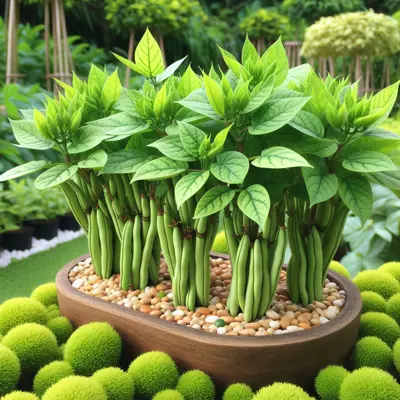
The beloved Blue Lake flavor in a space-saving bush form, Bush Lake delivers the same exceptional taste and stringless quality that made Blue Lake famous. This compact variety is perfect for smaller gardens and containers while maintaining the superior eating quality of its pole bean cousin. Produces concentrated harvests of tender, straight pods that are ideal for fresh eating or preserving.
Harvest
50-55d
Days to harvest
Sun
Full sun
Zones
2–11
USDA hardiness
Difficulty
Easy
Planting Timeline
Showing dates for Bush Lake Bean in USDA Zone 7
All Zone 7 bean →Zone Map
Click a state to update dates
Bush Lake Bean · Zones 2–11
Growing Details
Succession Planting
In zone 7, direct sow Bush Lake Bean every 14 days starting around April 1, continuing through mid-June — that spreads your harvest across 2 to 3 pickings instead of one overwhelming glut. Each sowing hits 50-55 days to harvest, so your first planting comes in around late May, and a mid-June sowing finishes just before August heat peaks.
Stop sowing once daytime highs are consistently at or above 90°F — bean flowers abort without setting pods at that temperature, and germination rates drop off sharply too. For a fall run, wait until late August and sow again; with nights cooling back below 75°F by then, you can pull a solid October harvest before first frost.
Complete Growing Guide
Bush Lake beans are best direct sown into the garden rather than started indoors, as they have tender roots that don't transplant well. Wait until after your last spring frost date when soil temperatures reach at least 60°F, ideally 70°F or warmer, since cold, wet soil will cause the seeds to rot. Direct sowing also gives you the option to make successive plantings every two weeks through early summer to extend your harvest beyond the concentrated flush that this variety naturally produces.
Space seeds one inch deep and two inches apart in rows, then thin seedlings to four to six inches apart once they emerge. Bush Lake thrives in well-draining soil enriched with compost or aged manure worked into the top six inches before planting. Unlike its pole bean cousins, this compact variety doesn't need special soil preparation beyond standard garden beds; however, avoid overly nitrogen-rich soil, which encourages leafy growth at the expense of pod production.
Water consistently, providing one inch per week through rainfall or irrigation, keeping the soil evenly moist but not waterlogged. This is especially important during flowering and pod set, typically around three to four weeks after germination. Hold back on supplemental nitrogen fertilizer; Bush Lake performs well with a balanced fertilizer applied once at mid-season if your soil is poor. Excessive nitrogen will reduce flowering, so restraint here is key.
Mexican bean beetles and spider mites are the primary pests to watch for on Bush Lake beans specifically. Scout regularly for the bright yellow egg clusters on leaf undersides and remove them by hand, or use neem oil at first sign of beetle damage. Spider mites thrive in hot, dry conditions, so consistent moisture and occasional overhead spraying can help prevent populations from exploding during heat waves.
Rust and anthracnose are fungal diseases that favor wet foliage; water at soil level early in the day and avoid working in wet plants to reduce disease pressure. Bacterial blight may appear as brown lesions on pods and leaves, spread by water splash and tools; there's no cure, so remove affected plants promptly and disinfect tools with a bleach solution.
One critical mistake many gardeners make with Bush Lake is over-watering while trying to keep pods tender. While consistent moisture is important, waterlogged soil actually reduces pod quality and invites root rot. Let the soil dry slightly between waterings once plants are established and flowering has begun.
Because Bush Lake produces its beans in a concentrated window of 50 to 55 days, plan successive sowings two weeks apart if you want continuous harvests rather than one overwhelming glut. The compact bush habit means you can easily fit multiple plantings into small spaces, making this variety ideal for maximizing productivity in containers or limited garden areas while enjoying fresh beans throughout the season.
Harvesting
Harvest Bush Lake beans when pods reach 5-6 inches long and display a bright, vibrant green color with a firm, crisp texture that snaps cleanly when bent. The pods should feel smooth and full without visible bean bulges underneath, indicating peak tenderness before seeds mature. For maximum yield, pick every 2-3 days rather than waiting for a single harvest, as continuous picking stimulates the compact plant to produce more flowers and extending the productive season. A crucial timing tip: harvest in early morning when pods are cool and fully hydrated, as beans picked in afternoon heat wilt quickly and lack the crispness essential to Bush Lake's renowned eating quality.
The boat-shaped seed pods are bilaterally symmetrical and can be green, yellow, white, or purple at maturity. There is a wide variety of color and shape choices among cultivars.
Color: Gold/Yellow, Green, Purple/Lavender, White. Type: Legume. Length: > 3 inches. Width: < 1 inch.
Garden value: Edible, Good Dried
Harvest time: Fall, Summer
Storage & Preservation
Fresh Bush Lake beans keep best in the refrigerator crisper drawer, stored in perforated plastic bags to maintain humidity while allowing air circulation. They'll stay crisp for 5-7 days but are best used within 3-4 days for peak flavor and texture.
For freezing, blanch whole pods in boiling water for 3 minutes, then plunge into ice water. Drain thoroughly and freeze in portions sized for your family's needs. Properly blanched and frozen Bush Lake beans maintain excellent quality for 8-10 months.
These beans excel for canning due to their firm texture and classic Blue Lake flavor. Use tested recipes for pressure canning—never water bath can green beans. For a unique preservation method, try lacto-fermenting young, tender pods with garlic and dill for a probiotic-rich pickle that complements the beans' natural sweetness.
History & Origin
Bush Lake Bean emerged as a bush-type selection derived from the celebrated Blue Lake pole bean, a variety with deep roots in American vegetable gardening history. While detailed documentation of its specific breeder and introduction year remains limited in readily available sources, Bush Lake represents the logical extension of early-to-mid twentieth-century breeding efforts to create compact, determinate versions of popular climbing beans for home gardeners with space constraints. The variety maintains the stringless pod quality and distinctive sweet flavor that made its Blue Lake parent a household favorite, capturing the genetic best of its lineage while sacrificing vine length for garden accessibility and container compatibility.
Origin: Tropical America
Advantages
- +Compact bush form saves space in small gardens and containers
- +Blue Lake flavor rivals pole varieties without requiring trellising support
- +Fast 50-55 day maturity enables multiple succession plantings per season
- +Stringless pods are tender and excellent for fresh eating or canning
- +Concentrated harvests make efficient picking and processing possible
Considerations
- -Susceptible to rust and anthracnose in humid or wet conditions
- -Mexican bean beetles and spider mites require regular pest monitoring
- -Bush varieties typically produce lower overall yields than pole types
- -Shorter harvest window due to concentrated pod maturity timing
Companion Plants
Marigolds — French marigolds (Tagetes patula) specifically — are worth planting along the border of your bean bed. Their root secretions deter soil nematodes, and the scent disrupts aphids and Mexican bean beetles above ground. Corn is the other pairing that actually does measurable work: beans fix nitrogen through rhizobia bacteria in their roots, which the heavy-feeding corn draws on, and NC State Extension confirms that rotating legumes through a plot this way adds real fertility — not just a gardening proverb. Squash fills in the ground layer, shading out weeds so you're not fighting on three fronts at once.
Skip onions and garlic anywhere near your beans. The sulfur compounds alliums release interfere with those same nitrogen-fixing rhizobia, so planting them close actively undercuts one of the main things beans do for your soil. In our zone 7 Georgia summers, where July heat already puts plants under pressure, that extra root-zone interference isn't something you want to add. Keep the allium bed at least 10 feet away and you'll notice the difference in bean yield by mid-August.
Plant Together
Marigold
Repels bean beetles, aphids, and nematodes while attracting beneficial insects
Basil
Deters aphids, spider mites, and thrips while potentially improving bean flavor
Carrots
Loosens soil for bean roots and doesn't compete for nutrients
Corn
Provides natural support structure for climbing varieties and benefits from nitrogen fixation
Squash
Ground cover reduces weeds, retains moisture, and completes the Three Sisters planting
Nasturtium
Acts as trap crop for aphids and cucumber beetles while adding nitrogen to soil
Lettuce
Provides ground cover and shade for bean roots while utilizing different soil nutrients
Radishes
Breaks up compacted soil and deters bean beetles without competing for space
Keep Apart
Onions
Inhibits bean growth through allelopathic compounds and competes for nutrients
Garlic
Stunts bean growth and development through root secretions
Sunflowers
Allelopathic effects inhibit bean germination and early growth
Nutrition Facts
Per 100g serving. % Daily Value based on 2,000 calorie diet. Source: USDA FoodData Central (FDC #2346400)
Pests & Disease Resistance
Resistance
Resistant to common bean mosaic virus
Common Pests
Mexican bean beetles, spider mites
Diseases
Rust, anthracnose, bacterial blight
Troubleshooting Bush Lake Bean
What you'll see, why it happens, and what to do about it.
Leaves with chunks missing, ragged edges, and small yellow-orange egg clusters on the undersides — showing up around weeks 6-7
Likely Causes
- Mexican bean beetle (Epilachna varivestis) — adults and larvae both feed on leaf tissue, skeletonizing leaves from the underside
- Planting beans in the same bed for multiple consecutive years, which allows overwintering populations to build up
What to Do
- 1.Hand-pick adult beetles (copper-colored with black spots, about 1/4 inch) and crush the yellow egg clusters on leaf undersides — do this every 2-3 days
- 2.Spray neem oil or spinosad on the undersides of leaves in the early morning, before beneficial insects are active
- 3.Rotate beans out of this bed for at least 2 seasons — NC State Extension's IPM guidance specifically flags repeat planting in the same spot as a risk factor for pest buildup
Reddish-brown powdery pustules on the undersides of leaves, with corresponding yellow spots on top — usually mid-season after warm, humid nights
Likely Causes
- Bean rust (Uromyces appendiculatus) — a fungal disease that spreads via wind-borne spores and moves fast once temperatures settle between 60-75°F at night
- Wet foliage from overhead irrigation or rain that doesn't dry off quickly
What to Do
- 1.Switch to a soaker hose delivering 1 inch per week at the base — keeping foliage dry cuts rust transmission significantly
- 2.Pull and bag (don't compost) any heavily infected leaves as soon as you spot the pustules
- 3.Apply a sulfur-based fungicide at first sign of infection; repeat every 7-10 days if wet weather continues
Tiny white or yellow stippling across leaves that bronzes and dries out over a week or two, with fine webbing on the undersides during hot dry stretches
Likely Causes
- Two-spotted spider mite (Tetranychus urticae) — populations explode when temperatures stay above 85°F and humidity drops
- Drought stress, which weakens plant defenses and speeds up mite reproduction cycles
What to Do
- 1.Hit the undersides of leaves with a strong jet of water from the hose — dislodging mites physically is free and works better than most people expect
- 2.Apply insecticidal soap or neem oil to leaf undersides, repeating every 5-7 days; rotate products after two applications since mite resistance builds quickly
- 3.Keep up with that 1-inch-per-week watering — drought-stressed beans take far more damage from the same mite population than well-watered ones do
Frequently Asked Questions
How long does Bush Lake bean take to grow?▼
Can you grow Bush Lake beans in containers?▼
Is Bush Lake bean good for beginners?▼
What does Bush Lake bean taste like?▼
When should I plant Bush Lake beans?▼
Bush Lake vs Blue Lake beans - what's the difference?▼
Zone-by-Zone Planting Calendar
| Zone | Indoor Start | Transplant | Direct Sow | Harvest |
|---|---|---|---|---|
| Zone 3 | — | — | June – July | August – October |
| Zone 4 | — | — | June – July | August – October |
| Zone 5 | — | — | May – June | August – September |
| Zone 6 | — | — | May – June | July – September |
| Zone 7 | — | — | April – June | July – August |
| Zone 8 | — | — | April – May | June – August |
| Zone 9 | — | — | March – April | May – July |
| Zone 10 | — | — | February – April | May – June |
| Zone 1 | — | — | July – August | September – August |
| Zone 2 | — | — | June – August | September – September |
| Zone 11 | — | — | January – March | April – May |
| Zone 12 | — | — | January – March | April – May |
| Zone 13 | — | — | January – March | April – May |
Growing Guides from Wind River Greens
Sources & References
External authority sources used in compiling this guide.
See the Methodology page for how this data is sourced, what's AI-assisted, and known limitations.