Bush Kentucky Wonder
Phaseolus vulgaris 'Bush Kentucky Wonder'
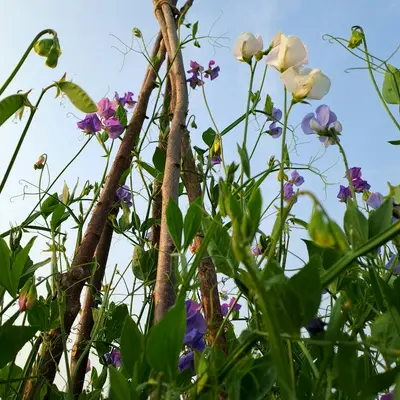
A compact bush version of the famous Kentucky Wonder pole bean, delivering the same exceptional flavor and tender texture without the need for trellising. This reliable variety produces abundant harvests of long, flat, meaty pods that are perfect for fresh eating or preserving. Popular with home gardeners who want Kentucky Wonder quality in a space-saving bush form.
Harvest
57-65d
Days to harvest
Sun
Full sun
Zones
2–11
USDA hardiness
Difficulty
Easy
Planting Timeline
Showing dates for Bush Kentucky Wonder in USDA Zone 7
All Zone 7 bean →Zone Map
Click a state to update dates
Bush Kentucky Wonder · Zones 2–11
Growing Details
Succession Planting
Direct sow every 10–14 days from late April through mid-June in zone 7, aiming to get your last planting in the ground by June 15. Bush Kentucky Wonder matures in 57–65 days, so a mid-June sowing puts you at harvest in mid-to-late August — right before the heat starts breaking. The UGA Vegetable Garden Calendar specifically calls out snap beans for successive May plantings, which tracks with what we see here.
Stop sowing once daytime highs are consistently above 90°F or nighttime temps are holding above 75°F — beans set pods poorly in that range and you'll get a lot of empty or stringy results for your trouble. For a fall run, direct sow again around August 15–25 in zone 7; that gets you to harvest before first frost, which typically arrives in late October to early November.
Complete Growing Guide
Bush Kentucky Wonder beans thrive when direct seeded into warm soil after all danger of frost has passed. Unlike many vegetables, these beans perform poorly when started indoors due to their sensitivity to transplant shock, so wait until soil temperatures reach at least 60°F and preferably 70°F before sowing. This typically means planting one to two weeks after your region's last frost date. Simply press seeds one inch deep into the soil, spacing them three to four inches apart in rows set eighteen inches to two feet apart. This spacing is crucial for Bush Kentucky Wonder specifically—while the compact growth habit requires less room than pole varieties, adequate air circulation prevents the fungal diseases that plague beans in crowded conditions.
Prepare soil by working in compost or aged manure to improve drainage and fertility. Beans are nitrogen-fixing legumes but still benefit from balanced nutrients, particularly potassium and phosphorus. A soil pH between 6.0 and 7.0 optimizes nutrient availability for this variety. Before planting, ensure the bed drains well, as waterlogged soil invites root rot and white mold, diseases particularly problematic for Bush Kentucky Wonder when conditions stay too moist.
Water consistently once plants emerge, providing one inch per week through rainfall or irrigation. Bush Kentucky Wonder produces its generous harvest over a concentrated period, making consistent moisture especially important during flowering and pod development. Mulch around plants to retain soil moisture and keep soil temperatures moderate. Feed with a balanced fertilizer when plants reach six inches tall, then again at flowering. Avoid over-fertilizing with nitrogen, which encourages leafy growth at the expense of pod production.
Watch closely for Mexican bean beetles and their yellow egg clusters on leaf undersides—remove these immediately. Aphids and spider mites cluster on new growth; spray with insecticidal soap if populations explode. Cutworms sever seedlings at soil level, so use cardboard collars around transplants if hand-seeding fails and you resort to starts. Bean beetles are particularly aggressive on Bush Kentucky Wonder, so check plants every two to three days during peak season.
Scout regularly for bacterial blight, evidenced by brown lesions with yellow halos on leaves and pods—remove affected foliage promptly and avoid working plants when wet. Anthracnose appears as sunken brown spots on pods. White mold presents as cottony growth on stems during humid conditions; improve air circulation and avoid overhead watering. Rust causes orange pustules on leaf undersides; choose rust-resistant varieties if this disease plagued your garden previously.
The most common mistake gardeners make with Bush Kentucky Wonder is harvesting too late. These beans quickly become stringy and tough if left past the tender stage. Pick pods when they're about six inches long and still snap cleanly—this encourages continuous production rather than the plant's natural cycle of setting fewer, larger pods and declining yield.
Harvesting
Harvest Bush Kentucky Wonder pods when they reach 5-6 inches long with a bright green color and before the seeds inside begin to bulge noticeably under the pod skin. The pods should snap cleanly when bent and feel tender rather than fibrous—this indicates peak eating quality. Practice continuous harvesting every 2-3 days rather than waiting for a single large pick, as regular removal stimulates the plant to produce more flowers and extend the productive season. Begin harvesting in early morning when pods are crisp and fully hydrated, which ensures maximum tenderness and flavor in your kitchen.
The boat-shaped seed pods are bilaterally symmetrical and can be green, yellow, white, or purple at maturity. There is a wide variety of color and shape choices among cultivars.
Color: Gold/Yellow, Green, Purple/Lavender, White. Type: Legume. Length: > 3 inches. Width: < 1 inch.
Garden value: Edible, Good Dried
Harvest time: Fall, Summer
Storage & Preservation
Fresh Bush Kentucky Wonder beans store best unwashed in perforated plastic bags in your refrigerator's crisper drawer at 32-40°F with high humidity. They'll maintain peak quality for 7-10 days, though they're best used within 3-4 days of harvest for optimal flavor and texture.
For freezing, blanch whole pods in boiling water for 3 minutes, immediately transfer to ice water, drain thoroughly, and freeze in airtight containers for up to 8 months. Bush Kentucky Wonder's meaty texture makes it excellent for pressure canning using standard green bean canning procedures—process pints for 20 minutes at 10 pounds pressure.
Dehydrating is another option: slice pods into 1-inch pieces and dry at 125°F until brittle, about 8-12 hours. Store dried beans in airtight containers for up to one year. The variety's robust flavor holds up well to all preservation methods, making it ideal for winter storage.
History & Origin
The Bush Kentucky Wonder bean originated as a dwarf cultivar developed from the heirloom Kentucky Wonder pole bean, a variety that has been grown in American gardens since the 1800s. While specific breeder attribution and exact introduction year remain somewhat obscured in historical records, this bush form emerged during the mid-twentieth century as seed companies began systematizing compact bean breeding. The variety capitalized on growing demand from home gardeners seeking the acclaimed flavor and meaty pod characteristics of the original Kentucky Wonder without requiring trellising infrastructure. It represents a practical adaptation within Phaseolus vulgaris breeding lines, maintaining the parent variety's culinary reputation while offering improved space efficiency for smaller gardens and commercial operations.
Origin: Tropical America
Advantages
- +Compact bush form eliminates trellising needs while maintaining Kentucky Wonder flavor
- +Abundant harvests of long, flat, meaty pods ideal for fresh eating
- +Quick maturity at 57-65 days provides reliable yields for home gardeners
- +Space-saving growth habit perfect for small gardens or container growing
- +Tender texture and rich flavor match the superior pole bean original
Considerations
- -Susceptible to multiple diseases including bacterial blight and anthracnose infections
- -Attracts multiple pest species including bean beetles and spider mites
- -Requires consistent moisture and well-drained soil to prevent disease issues
- -Lower overall yield compared to traditional Kentucky Wonder pole bean varieties
Companion Plants
Summer savory is probably the most practically useful companion here. It's been planted alongside beans for generations — the claim is that it deters bean beetles, and while the science is thin, summer savory does contain volatile oils (carvacrol, thymol) that appear to disrupt insect host-finding. More concretely, it won't compete hard for root space or nutrients, so you're not trading one benefit for a different problem. Plant it at the row edge, 8–10 inches out.
Marigolds (Tagetes erecta, the tall African type) and nasturtiums pull similar duty — both emit scent compounds that confuse aphids and soft-bodied pests. Radishes and carrots fit well in the gaps between bean rows because their root depth doesn't overlap with the relatively shallow bean root zone. In our zone 7 Georgia garden, where soil can bake and crust between rows by June, radishes also help break up compaction and you can pull them before the beans need that lateral space.
Onions, garlic, and fennel are the plants to keep at a distance. Alliums release sulfur-based allelopathic compounds into the soil that inhibit legume germination and early root development — this is well-documented enough that most extension planting guides list beans and onions as incompatible. Fennel is broadly allelopathic to most vegetables and doesn't belong near anything in the Phaseolus family. Give fennel its own isolated bed; it causes trouble for too many crops to be worth planting near your main vegetable rows.
Plant Together
Marigolds
Repel Mexican bean beetles and aphids, reduce nematode populations
Nasturtiums
Act as trap crop for aphids and cucumber beetles, repel bean beetles
Carrots
Improve soil structure and don't compete for nitrogen that beans fix
Radishes
Break up compacted soil, mature quickly without competing for space
Lettuce
Benefits from nitrogen fixed by beans, provides ground cover
Spinach
Utilizes nitrogen fixed by beans, different root depth prevents competition
Summer Savory
Repels bean beetles and aphids, may improve bean flavor
Catnip
Deters Mexican bean beetles and aphids through natural compounds
Keep Apart
Onions
May inhibit bean growth through allelopathic compounds in root zone
Garlic
Can stunt bean growth due to sulfur compounds released into soil
Fennel
Inhibits growth of beans through allelopathic chemicals released by roots
Nutrition Facts
Per 100g serving. % Daily Value based on 2,000 calorie diet. Source: USDA FoodData Central (FDC #2346400)
Pests & Disease Resistance
Resistance
Good resistance to common bean mosaic and rust
Common Pests
Bean beetles, aphids, spider mites, cutworms
Diseases
Bacterial blight, anthracnose, white mold, rust
Troubleshooting Bush Kentucky Wonder
What you'll see, why it happens, and what to do about it.
Leaves with irregular chunks missing, skeletonized patches, or small round holes appearing around weeks 3–5
Likely Causes
- Mexican bean beetle (Epilachna varivestis) — adults and larvae both feed on leaf undersides
- Bean leaf beetle (Cerotoma trifurcata) — chews clean round holes through leaves
What to Do
- 1.Flip leaves and hand-pick egg clusters (yellow, football-shaped, in tidy rows) and larvae — drop them in soapy water
- 2.Apply kaolin clay or spinosad if populations are heavy; check the Georgia Pest Management Handbook for current label guidance
- 3.Keep rows weeded — the UGA Vegetable Garden Calendar flags Mexican bean beetle as one of the top 10 culprits in the region, and weedy borders give them cover
Water-soaked spots on leaves or pods that turn brown with a yellow halo, sometimes with bacterial ooze in humid weather
Likely Causes
- Common bacterial blight (Xanthomonas axonopodis pv. phaseoli) — spreads fast in warm, wet conditions
- Overhead irrigation or rain splash moving the pathogen from soil or infected debris to foliage
What to Do
- 1.Switch to a soaker hose — NC State Extension's diagnostic notes specifically cite soaker irrigation as a best practice for beans; overhead watering is a direct driver of splash transmission
- 2.Remove and bag (don't compost) affected plant material immediately
- 3.Don't plant any bean-family crop in that bed next season; rotate out for at least one full year per NC State Extension's guidance on breaking disease cycles
Rusty orange or reddish-brown pustules on the undersides of leaves, usually showing up mid-season around day 40–55
Likely Causes
- Bean rust (Uromyces appendiculatus) — a fungal pathogen that thrives when nights stay above 60°F and humidity is high
- Dense planting at under 4-inch spacing that traps moisture between plants
What to Do
- 1.Strip off affected leaves and dispose of them in the trash — not the compost pile
- 2.Thin or stagger plants to the full 4–6 inch spacing so air can move through the canopy
- 3.Apply sulfur-based fungicide at first sign if the planting matters to you; repeat every 7–10 days during wet stretches
Plants wilting, collapsing, or cut off at the soil line — especially on young seedlings in the first 2 weeks after germination
Likely Causes
- Cutworms (Agrotis spp.) — larvae feed at or just below the soil surface at night
- Damping off (Pythium spp. or Rhizoctonia solani) — fungal rot triggered by cold, waterlogged soil at germination
What to Do
- 1.Press a 3-inch cardboard collar around each seedling stem at soil level to block cutworm access, or scatter Bacillus thuringiensis var. kurstaki (Bt) granules at the soil surface
- 2.Don't direct sow into soil below 60°F — germination in cold, wet ground invites damping off; wait until soil temps are reliably 60–65°F, which in zone 7 means late April at the earliest
- 3.If damping off has hit that bed before, skip beans there for 2–3 seasons and fix the drainage before the next planting
Frequently Asked Questions
How long does Bush Kentucky Wonder take to grow?▼
Can you grow Bush Kentucky Wonder in containers?▼
What does Bush Kentucky Wonder taste like?▼
Is Bush Kentucky Wonder good for beginners?▼
Bush Kentucky Wonder vs regular Kentucky Wonder - what's the difference?▼
When should I plant Bush Kentucky Wonder beans?▼
Zone-by-Zone Planting Calendar
| Zone | Indoor Start | Transplant | Direct Sow | Harvest |
|---|---|---|---|---|
| Zone 1 | — | — | July – August | October – August |
| Zone 2 | — | — | June – August | September – September |
| Zone 11 | — | — | January – March | April – June |
| Zone 12 | — | — | January – March | April – June |
| Zone 13 | — | — | January – March | April – June |
| Zone 3 | — | — | June – July | September – October |
| Zone 4 | — | — | June – July | August – October |
| Zone 5 | — | — | May – June | August – September |
| Zone 6 | — | — | May – June | August – September |
| Zone 7 | — | — | April – June | July – September |
| Zone 8 | — | — | April – May | July – August |
| Zone 9 | — | — | March – April | June – July |
| Zone 10 | — | — | February – April | May – July |
Growing Guides from Wind River Greens
Sources & References
External authority sources used in compiling this guide.
See the Methodology page for how this data is sourced, what's AI-assisted, and known limitations.