Borlotto Bush Bean
Phaseolus vulgaris 'Borlotto'
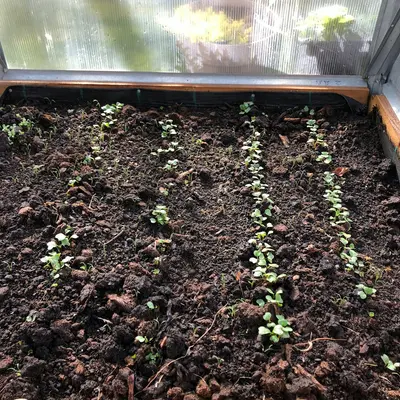
An Italian heirloom treasure that produces stunning speckled pods streaked with red and cream, making it as ornamental as it is delicious. Also known as cranberry beans, these dual-purpose beauties can be harvested young as tender snap beans or left to mature for plump, flavorful shelling beans perfect for Italian cuisine.
Harvest
60-70d
Days to harvest
Sun
Full sun
Zones
2–11
USDA hardiness
Difficulty
Easy
Planting Timeline
Showing dates for Borlotto Bush Bean in USDA Zone 7
All Zone 7 bean →Zone Map
Click a state to update dates
Borlotto Bush Bean · Zones 2–11
Growing Details
Succession Planting
Direct sow every 14–21 days from late April through mid-June in zones 6–7, targeting a final sowing at least 65 days before your first expected frost. At 60–70 days to harvest, a mid-June sowing in zone 7 still finishes in September before nights drop below 50°F and pod fill stalls. UGA's vegetable calendar recommends a third planting of shell and snap beans in May, so a late-May sowing isn't pushing your luck.
Stop succession sowing once daytime highs are running consistently above 90°F — beans shed flowers in that heat and you'll get a lot of empty pods. In zones 8–9, there's sometimes a second window opening in late July or early August for a fall harvest, but run the math on your frost date carefully at 60–70 days to maturity before committing seed to the ground.
Complete Growing Guide
Borlotto Bush Beans thrive when direct sown into warm soil after all danger of frost has passed. Unlike some bean varieties, these Italian heirlooms are sensitive to cold and wet conditions, so wait until soil temperature reaches at least 60°F, ideally 70°F or warmer, before planting. In most climates, this means sowing in late spring, roughly one to two weeks after your last frost date. Direct sowing is recommended over starting indoors, as bean roots resent transplanting and the seeds germinate reliably when conditions are right. Plant seeds one inch deep and space them three to four inches apart in rows eighteen inches to two feet apart. While bush beans are compact compared to pole varieties, Borlotto plants still need adequate air circulation to prevent fungal issues, so don't crowd them.
Prepare your planting bed with well-draining soil enriched with compost or aged manure worked in several inches deep. Beans generally prefer neutral to slightly acidic soil with a pH between 6.0 and 7.0. Avoid high-nitrogen fertilizers at planting, as excess nitrogen promotes leafy growth at the expense of flowers and pods. Once plants are established and flowering, a balanced fertilizer applied every three to four weeks supports continuous production through the 60 to 70-day harvest window.
Water consistently, providing about one inch per week through rainfall or irrigation. Keep soil evenly moist but not waterlogged, as wet conditions invite seed and root rot. Morning watering is preferable, and always water at soil level rather than overhead to reduce leaf wetness and disease pressure.
Watch carefully for bean fly and bean seed fly, which can devastate young seedlings and emerging pods on Borlotto Bush Beans. Row covers placed immediately after sowing and left in place until flowering provide excellent protection. Inspect undersides of leaves regularly for aphids and spider mites, which flourish in hot, dry conditions and can weaken plants quickly. Halo blight and common bacterial blight are particular concerns for this variety in humid climates; these bacterial diseases appear as water-soaked lesions and spread rapidly with overhead watering or working in wet foliage. Remove infected leaves promptly and avoid handling plants when wet.
One critical mistake many gardeners make with Borlotto Bush Beans is harvesting them too late if they want tender snap beans. The ornamental speckled pods are visually stunning, but gardeners often delay picking waiting for fuller pods, by which time they've become tough and fibrous. For snap bean harvest, pick when pods are firm but still snap cleanly, typically at around six to eight inches long. For shelling beans, allow pods to mature fully on the plant until they dry slightly and the beans rattle inside.
Harvesting
Harvest Borlotto beans when the distinctive red and cream streaking on the pods deepens to rich burgundy tones, signaling peak maturity for shelling. The pods should feel firm and slightly papery to the touch, with visible bean bumps pressing against the pod skin. For snap beans, pick when pods are bright green and pods snap cleanly when bent. These plants produce continuously over several weeks rather than all at once, so harvest every two to three days to encourage more flowering and bean development. A key timing tip: pick in early morning when pods are cool and crisp, as this preserves their tenderness and extends storage life, whether you're planning to use them fresh or dry them for later use.
The boat-shaped seed pods are bilaterally symmetrical and can be green, yellow, white, or purple at maturity. There is a wide variety of color and shape choices among cultivars.
Color: Gold/Yellow, Green, Purple/Lavender, White. Type: Legume. Length: > 3 inches. Width: < 1 inch.
Garden value: Edible, Good Dried
Harvest time: Fall, Summer
Storage & Preservation
Fresh snap bean pods keep 4-5 days in the refrigerator in a perforated plastic bag. Don't wash until ready to use. Fresh shelling beans can be stored in their pods in the refrigerator for up to one week, or shell immediately and refrigerate the beans for 3-4 days.
For freezing fresh shelling beans, blanch shelled beans in boiling water for 2 minutes, then plunge into ice water. Drain thoroughly and freeze in portions. They'll maintain quality for 8-10 months.
To dry beans completely, leave pods on plants until papery, then harvest and shell. Spread beans on screens in a warm, dry area for 2-3 weeks until they can't be dented with a fingernail. Store dried Borlotti beans in airtight containers in a cool, dark place—they'll keep for years. These dried beans are perfect for traditional Italian dishes like pasta e fagioli and are considered superior to most commercial varieties for their creamy texture and nutty flavor.
History & Origin
The Borlotto bean originates from Italy, where it has been cultivated for centuries as part of traditional Italian agricultural heritage, though precise documentation of its initial breeding or introduction remains limited. The variety emerged from the broader Phaseolus vulgaris gene pool that was domesticated in Mesoamerica and subsequently adapted throughout Europe following the Columbian Exchange. Italian farmers selectively cultivated plants with the distinctive red-and-cream speckled pod pattern prized for both fresh and dried markets, refining the traits we recognize today. The name "Borlotto" itself reflects its deep roots in Italian culture and regional agricultural practice, though no single breeder or founding date is formally recorded in available horticultural literature, suggesting its development through collective farmer selection rather than formal breeding programs.
Origin: Tropical America
Advantages
- +Stunning red and cream speckled pods add ornamental beauty to vegetable gardens
- +Versatile harvest window allows young snap bean or mature shelling bean use
- +Nutty, creamy texture of mature beans suits traditional Italian pasta dishes
- +Quick 60-70 day maturity means reliable harvests in shorter growing seasons
- +Easy to grow makes Borlotto an excellent choice for beginning gardeners
Considerations
- -Susceptible to multiple bacterial diseases including halo blight and common bacterial blight
- -Bean fly and bean seed fly pests require vigilant monitoring and management
- -Requires consistent moisture and well-draining soil to prevent pod rot issues
Companion Plants
Summer savory is worth planting right alongside Borlotto — it deters bean beetles, the same beetles that will skeletonize your leaves by week six if populations get ahead of you. It stays compact enough that it doesn't crowd out the beans at 4–6 inch spacing. French marigolds (Tagetes patula specifically) are worth a row or two nearby: their root secretions suppress soil nematodes, and the flowers attract predatory wasps that keep aphid populations in check without much effort on your part.
Radishes and lettuce fill gaps between bean rows without competing — both are shallow-rooted and pull out before the beans need that lateral space. Carrots are a quieter companion: their taproots go down 8–12 inches, well below the bean's fibrous zone, so the two crops pull water from different soil layers. Nasturtiums are useful as a trap crop — aphids will colonize them before the beans, which at least concentrates the problem in one place.
Keep onions and garlic out of the bean bed. Alliums are thought to suppress the Rhizobium bacteria that colonize bean roots and fix nitrogen — which undercuts the main soil-building reason to grow a legume in that spot. Fennel is broadly allelopathic and tends to stunt neighboring vegetables; it's the one plant most growers find has no upside as a companion regardless of what's growing nearby. Sunflowers compete aggressively for water and will shade the beans through the afternoon if planted on their south side.
Plant Together
Basil
Repels aphids and thrips while potentially improving bean flavor
Marigold
Deters Mexican bean beetles and nematodes with natural compounds
Nasturtium
Acts as trap crop for aphids and cucumber beetles
Carrots
Beans fix nitrogen for carrots while carrots loosen soil for bean roots
Lettuce
Provides ground cover to retain moisture and suppress weeds
Radish
Quick-growing radishes break up soil and are harvested before beans need space
Summer Savory
Repels bean beetles and may enhance bean growth and flavor
Corn
Provides windbreak protection and benefits from nitrogen fixed by beans
Keep Apart
Onions
Can inhibit bean growth through allelopathic compounds in root zone
Fennel
Releases chemicals that stunt growth of beans and most other vegetables
Sunflowers
Allelopathic compounds inhibit bean germination and growth
Nutrition Facts
Per 100g serving. % Daily Value based on 2,000 calorie diet. Source: USDA FoodData Central (FDC #2346400)
Pests & Disease Resistance
Resistance
Good general disease resistance
Common Pests
Bean fly, aphids, spider mites, bean seed fly
Diseases
Halo blight, common bacterial blight, bean rust
Troubleshooting Borlotto Bush Bean
What you'll see, why it happens, and what to do about it.
Leaves with irregular chunks missing, ragged edges, and some browning — noticed around week 5–7
Likely Causes
- Mexican bean beetle (Epilachna varivestis) — larvae and adults chew leaf tissue from the underside
- Bean leaf beetle (Cerotoma trifurcata) — leaves round shot-holes, common in warm summers
What to Do
- 1.Flip leaves and look for yellow egg clusters or orange-yellow larvae; crush them by hand or knock into soapy water
- 2.Apply spinosad or neem oil in the early morning when beetles are sluggish — repeat every 7 days until pressure drops
- 3.UGA's Pest Management calendar flags these beetles as high-priority in May and June, so scout every 2–3 days at peak season
Water-soaked spots on leaves that turn brown with a yellow halo, sometimes spreading to pods
Likely Causes
- Halo blight (Pseudomonas savastanoi pv. phaseolicola) — bacterial disease, spreads fastest in cool wet weather
- Common bacterial blight (Xanthomonas axonopodis pv. phaseoli) — similar spots but without the pale halo, worse in heat
What to Do
- 1.Pull and trash affected plants — don't compost them
- 2.Switch to a soaker hose delivering 1 inch per week at soil level; overhead watering spreads both pathogens fast
- 3.Rotate beans out of the same bed for at least 2 seasons — NC State Extension's organic gardening guidance notes that cycling legumes through different plots breaks bacterial disease cycles
Small orange-brown pustules on the undersides of leaves, with yellow flecking visible from the top
Likely Causes
- Bean rust (Uromyces appendiculatus) — fungal, spreads by wind and splashing water, flares in humid stretches above 60°F
What to Do
- 1.Remove and bag heavily infected leaves immediately — the pustules are active spore sources
- 2.Apply sulfur-based fungicide or copper at first sign; reapply every 10–14 days if wet weather continues
- 3.Space plants at the full 4–6 inches and keep rows clear of debris so foliage dries faster after rain
Seedlings fail to emerge, or emerge and then collapse at soil level within 10 days of sowing
Likely Causes
- Bean seed fly (Delia platura) — larvae tunnel into germinating seeds before they break the surface
- Damping-off (Pythium spp. or Rhizoctonia solani) — fungal rot at the soil line, especially in cold or waterlogged conditions
What to Do
- 1.Don't direct sow until soil hits at least 60°F — Borlotto germinates in 7–10 days at proper temperature; cold soil drags that out and invites both problems
- 2.Avoid incorporating large amounts of fresh compost right at planting depth, which draws bean seed fly adults looking to lay eggs near decaying organic matter
- 3.If the bed has a history of damping-off, amend with perlite to improve drainage, or move to a fresh spot entirely
Frequently Asked Questions
How long do Borlotti bush beans take to grow?▼
Are Borlotti bush beans good for beginners?▼
Can you grow Borlotti beans in containers?▼
What do Borlotti beans taste like compared to regular beans?▼
When should I plant Borlotti bush beans?▼
What's the difference between Borlotti beans and regular cranberry beans?▼
Zone-by-Zone Planting Calendar
| Zone | Indoor Start | Transplant | Direct Sow | Harvest |
|---|---|---|---|---|
| Zone 1 | — | — | July – August | October – August |
| Zone 2 | — | — | June – August | September – September |
| Zone 11 | — | — | January – March | April – June |
| Zone 12 | — | — | January – March | April – June |
| Zone 13 | — | — | January – March | April – June |
| Zone 3 | — | — | June – July | September – October |
| Zone 4 | — | — | June – July | August – October |
| Zone 5 | — | — | May – June | August – October |
| Zone 6 | — | — | May – June | August – September |
| Zone 7 | — | — | April – June | July – September |
| Zone 8 | — | — | April – May | July – August |
| Zone 9 | — | — | March – April | June – July |
| Zone 10 | — | — | February – April | May – July |
Growing Guides from Wind River Greens
Sources & References
External authority sources used in compiling this guide.
See the Methodology page for how this data is sourced, what's AI-assisted, and known limitations.