Black Turtle Bush Bean
Phaseolus vulgaris 'Black Turtle'
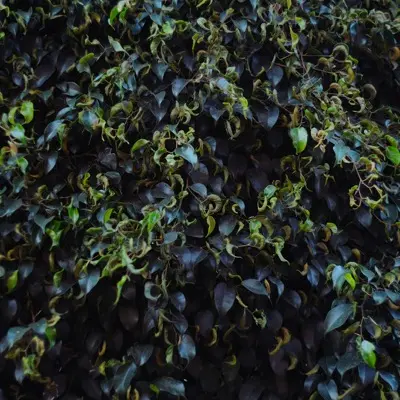
A classic dry bean variety prized for its rich, earthy flavor and meaty texture that makes it perfect for Latin American cuisine. These small, glossy black beans are incredibly nutritious and store exceptionally well, making them a pantry staple for home gardeners who want to grow their own protein source.
Harvest
90-100d
Days to harvest
Sun
Full sun
Zones
2–11
USDA hardiness
Difficulty
Easy
Planting Timeline
Showing dates for Black Turtle Bush Bean in USDA Zone 7
All Zone 7 bean →Zone Map
Click a state to update dates
Black Turtle Bush Bean · Zones 2–11
Growing Details
Succession Planting
Direct sow every 2-3 weeks from April through early June in zone 7, with a possible late push in early July if daytime highs stay below 90°F — Black Turtle beans need 90-100 days to reach dry-pod stage, so a July 1 sowing is cutting it close before first frost in most areas. The UGA Vegetable Garden Calendar recommends a third bean planting in May, which lines up well; that sowing typically yields a September-October dry harvest.
Stop succession sowing once afternoon temperatures are consistently at 90°F or above — blossoms drop in that heat and pod set drops with them. In zones 8 and warmer, a second window opens in late August; sow by September 1 to get the full 90-100 days before a hard freeze shuts things down.
Complete Growing Guide
Black Turtle Bush Beans are a rewarding crop for home gardeners seeking a reliable dry bean with exceptional storage potential. These plants thrive when direct sown into warm soil after all danger of frost has passed. Unlike some tender crops, Black Turtle Bush Beans resist starting indoors well, and direct sowing produces sturdier plants. Wait until soil temperatures consistently reach 60°F, and ideally plant after your last spring frost date when nighttime temperatures stay above 50°F. In most regions, this means sowing in late May or early June. The beans will reach full maturity in 90 to 100 days, so count backward from your first expected fall frost to ensure you time planting correctly.
Prepare your planting bed by loosening soil to at least eight inches deep and mixing in compost or aged manure to improve drainage and fertility. Black Turtle Bush Beans prefer slightly acidic to neutral soil with a pH between 6.0 and 7.0. Sow seeds directly one and a half inches deep, spacing them three to four inches apart in rows spaced eighteen inches apart. Once seedlings emerge and develop their first true leaves, thin them to six inches apart. This variety produces compact, bushy plants that don't require trellising, making them ideal for container growing or small gardens.
Water deeply when the soil becomes dry to the touch, providing approximately one inch per week through rainfall or irrigation. Consistent moisture is crucial during flowering and pod development. Once pods have set, reduce watering slightly to encourage the plants to direct energy toward seed maturation rather than vegetative growth. Feed your Black Turtle Bush Beans sparingly; overly rich nitrogen will produce excessive foliage at the expense of bean production. A balanced, all-purpose fertilizer applied every three weeks suffices, or simply rely on the nitrogen-fixing nodules that form on the roots.
Monitor closely for Mexican bean beetles, which can devastate Black Turtle Bush Beans in particular. These orange beetles with black spots emerge early and lay egg clusters on leaf undersides. Hand-pick beetles and destroy egg clusters weekly, or use row covers until flowering begins. Watch also for aphids and bean leaf beetles, which transmit diseases. Spray neem oil if infestations develop. Anthracnose, bacterial blight, and white mold are specific concerns for this variety in humid climates. Improve air circulation by spacing plants adequately, water at soil level rather than overhead, and remove infected leaves immediately.
One critical mistake gardeners make is harvesting Black Turtle Bush Beans for fresh snap beans. This variety develops tough, fibrous pods and should be left on the plant until the pods turn brown and brittle. Allow beans to dry fully in the garden if weather permits, or pull entire plants and hang them in a warm, dry location. Shell the beans once completely dry, then store them in airtight containers. Properly dried Black Turtle Bush Beans remain viable for several years, rewarding patient gardeners with homegrown protein for countless meals.
Harvesting
Harvest Black Turtle Bush Beans when the pods turn from green to dark brown or nearly black and feel completely dry and brittle to the touch, typically around 90-100 days from planting. The beans inside should rattle when you shake the pod, indicating they've reached their hard, mature stage. Unlike indeterminate varieties, bush beans produce their crop in a concentrated window, so plan for a single main harvest rather than continuous picking. To maximize yield, wait until at least 80 percent of pods on the plant have darkened before harvesting, as this ensures the majority of beans have developed their characteristic glossy black color and dense texture. Pick pods on a dry day to prevent mold issues during storage.
The boat-shaped seed pods are bilaterally symmetrical and can be green, yellow, white, or purple at maturity. There is a wide variety of color and shape choices among cultivars.
Color: Gold/Yellow, Green, Purple/Lavender, White. Type: Legume. Length: > 3 inches. Width: < 1 inch.
Garden value: Edible, Good Dried
Harvest time: Fall, Summer
Storage & Preservation
Store completely dried black turtle beans in airtight containers in a cool, dark location. Properly dried beans will keep for 2-3 years, though they're best used within the first year for optimal flavor and cooking time. Before storage, freeze beans for 48 hours to eliminate any potential weevil eggs.
For long-term storage, vacuum-sealed bags or glass jars with oxygen absorbers work excellently. You can also pressure can cooked beans following USDA guidelines – cook beans until tender, then process pints for 75 minutes at 11 pounds pressure. Avoid freezing cooked black beans as they tend to become mushy upon thawing, though they work fine in soups and stews after freezing.
History & Origin
The Black Turtle Bush Bean belongs to the broader Phaseolus vulgaris species domesticated in Mesoamerica thousands of years ago, with black bean varieties becoming particularly established in Latin American culinary traditions. While specific breeder attribution and introduction dates for this particular cultivar remain poorly documented in readily available horticultural records, the Black Turtle represents a refinement of traditional black bean landraces cultivated throughout Mexico and Central America. The variety likely emerged through decades of seed selection by home gardeners and farmers prioritizing consistent bush growth habits, compact plant size, and the small, glossy black seed characteristics prized in regional cooking. Modern seed companies formalized and standardized the Black Turtle as a named variety for home garden markets, though its exact genealogy reflects the collective agricultural heritage of indigenous and peasant farming communities rather than formal breeding program documentation.
Origin: Tropical America
Advantages
- +Rich, earthy flavor makes Black Turtle beans ideal for Latin American dishes
- +Small beans store exceptionally well in pantry for long-term food security
- +Dense, meaty texture provides satisfying protein source for home gardeners
- +Easy to grow with straightforward care requirements for beginners
- +Glossy black appearance adds visual appeal to dried bean collections
Considerations
- -Susceptible to anthracnose and white mold in humid growing conditions
- -Mexican bean beetle and bean leaf beetle can significantly damage plants
- -Requires full season of 90-100 days limiting short-season growing regions
- -Prone to bacterial blight when planted in contaminated or poorly drained soil
Companion Plants
Corn and summer squash are the most practical companions for Black Turtle beans, and the reason is structural as much as biological. In a Three Sisters planting, each plant occupies a different niche: corn provides vertical structure (less critical for a bush type, but still useful for staking if you want it), beans fix atmospheric nitrogen through Rhizobium bacteria in their roots and feed the heavy-feeding corn, and squash spreads wide at ground level to shade out weeds and slow moisture loss from the soil. Keep corn at least 12 inches away — close enough to share space, far enough that the root zones aren't fighting each other.
Marigolds (Tagetes patula, the compact French type) and nasturtiums are worth planting along the border. Nasturtiums pull black bean aphids toward themselves and off your pods — they work as a genuine trap crop, not just a visual buffer. Radishes and carrots fit neatly at 4-6 inches out; their taproots go deeper than the shallow fibrous mat beans put out, so there's no meaningful competition underground or above it.
Onions and garlic belong on the far side of the garden, not adjacent to beans. Alliums produce sulfur compounds that interfere with the Rhizobium bacteria responsible for nitrogen fixation — put them next to beans and you're actively undermining the one metabolic advantage beans bring to a bed. Sunflowers are a different problem: they're allelopathic, releasing root exudates that suppress nearby plant growth, and beans are sensitive enough to show stunting within a foot or two of an established plant.
Plant Together
Marigold
Repels Mexican bean beetles and nematodes, attracts beneficial insects
Nasturtium
Acts as trap crop for aphids and cucumber beetles, repels bean beetles
Corn
Provides natural support structure for climbing beans in Three Sisters planting
Summer Squash
Ground cover reduces weeds, part of traditional Three Sisters companion planting
Carrots
Beans fix nitrogen which carrots need, carrots don't compete for same soil space
Radishes
Break up soil for bean roots, mature quickly before beans need full space
Cucumber
Both benefit from similar growing conditions and beans provide nitrogen
Rosemary
Repels bean beetles and other pests with strong aromatic oils
Keep Apart
Onions
Can inhibit bean growth and nitrogen fixation by soil bacteria
Garlic
Allelopathic compounds can stunt bean growth and reduce yields
Sunflower
Competes heavily for nutrients and water, can shade out beans
Nutrition Facts
Per 100g serving. % Daily Value based on 2,000 calorie diet. Source: USDA FoodData Central (FDC #2346400)
Pests & Disease Resistance
Resistance
Good resistance to common bacterial blight and bean mosaic virus
Common Pests
Mexican bean beetle, aphids, bean leaf beetle
Diseases
Anthracnose, bacterial blight, white mold
Troubleshooting Black Turtle Bush Bean
What you'll see, why it happens, and what to do about it.
Leaves with irregular chunks missing, ragged edges, or small round holes — visible by week 4-6
Likely Causes
- Mexican bean beetle (Epilachna varivestis) — larvae and adults chew leaf tissue from the underside, leaving a skeletonized look
- Bean leaf beetle (Cerotoma trifurcata) — chews round shot-holes through leaves and can also scar pods
What to Do
- 1.Check the undersides of leaves for yellow egg clusters or soft yellow-orange larvae and crush them by hand
- 2.Spray with spinosad or neem oil early in the morning when beetles are sluggish — repeat every 7 days until pressure drops
- 3.The UGA Pest Management Handbook lists both Mexican bean beetle and bean leaf beetle as top watch-list pests; scout every 2-3 days during warm stretches when populations build fast
Dark, water-soaked spots on pods or leaves that turn into sunken tan lesions with reddish-brown borders — often showing up after wet weather
Likely Causes
- Anthracnose (Colletotrichum lindemuthianum) — fungal disease that spreads via rain splash and infected seed
- Planting beans in the same bed for multiple consecutive years — NC State Extension notes that repeating the same crop family in a spot builds up soil-borne disease pressure
What to Do
- 1.Pull and bag affected plant material — don't compost it
- 2.Rotate this bed out of beans and other legumes for at least 2 seasons; NC State's organic gardening guidance specifically calls out crop rotation as the primary tool for breaking disease cycles
- 3.Start with certified disease-free seed next planting; anthracnose is frequently seed-borne
Frequently Asked Questions
How long do black turtle beans take to grow?▼
Can you grow black turtle beans in containers?▼
Are black turtle beans good for beginners?▼
What do black turtle beans taste like?▼
When should I plant black turtle beans?▼
Can I harvest black turtle beans early as snap beans?▼
Zone-by-Zone Planting Calendar
| Zone | Indoor Start | Transplant | Direct Sow | Harvest |
|---|---|---|---|---|
| Zone 1 | — | — | July – August | November – August |
| Zone 2 | — | — | June – August | October – September |
| Zone 11 | — | — | January – March | May – July |
| Zone 12 | — | — | January – March | May – July |
| Zone 13 | — | — | January – March | May – July |
| Zone 3 | — | — | June – July | October – October |
| Zone 4 | — | — | June – July | September – October |
| Zone 5 | — | — | May – June | September – October |
| Zone 6 | — | — | May – June | September – October |
| Zone 7 | — | — | April – June | August – October |
| Zone 8 | — | — | April – May | August – September |
| Zone 9 | — | — | March – April | July – August |
| Zone 10 | — | — | February – April | June – August |
Growing Guides from Wind River Greens
Sources & References
External authority sources used in compiling this guide.
See the Methodology page for how this data is sourced, what's AI-assisted, and known limitations.