Amethyst
Phaseolus vulgaris
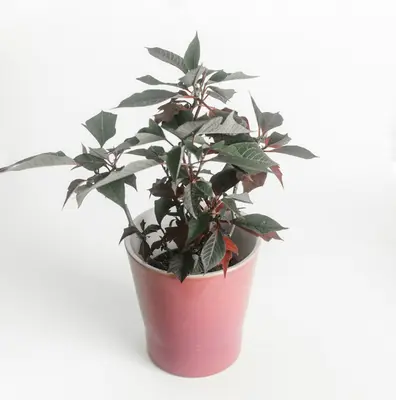
Thinner, straighter, and more attractive than Royal Burgundy. Pods avg. 5-5 1/2" long and are set high on upright plants. Very good flavor raw or cooked. Pods turn green when cooked. Tan seeds. Bush bean.
Harvest
56d
Days to harvest
Sun
Full sun
Zones
2–11
USDA hardiness
Height
12-18 inches
Planting Timeline
Showing dates for Amethyst in USDA Zone 7
All Zone 7 bean →Zone Map
Click a state to update dates
Amethyst · Zones 2–11
Growing Details
Succession Planting
In zone 7, direct sow Amethyst every 14–16 days from April 1 through late June. A single planting at 56 days to harvest will be ready by late July; two or three staggered sowings carry you through August before the heat shuts down pod set. The UGA Vegetable Garden Calendar recommends a third bean planting in May, which lines up well with a mid-May sow if you started your first round in early April.
Stop sowing by July 1 in most of Georgia. Seed germinating into 90°F+ soil performs poorly, and plants that hit flowering during sustained 90°F days set few pods. If you want a fall run, wait until late August — nights will be cooling by the time plants reach their 56-day mark in early October.
Complete Growing Guide
Amethyst beans are best started by direct sowing seeds into the garden after all danger of frost has passed and soil temperatures reach at least 60°F, ideally 70°F or warmer. Unlike some varieties that tolerate cool soil, Amethyst seeds are prone to rot if sown too early into cold, wet conditions. Plant seeds about one inch deep, spacing them three to four inches apart in rows that are eighteen inches apart. The upright growth habit of Amethyst means you can plant slightly closer than sprawling varieties without sacrificing air circulation.
Prepare your soil by working in compost or aged manure to improve drainage and add organic matter. Amethyst performs well in average garden soil but appreciates consistent moisture and moderate fertility. Beans are nitrogen-fixing plants, so avoid over-fertilizing with nitrogen-heavy fertilizers, which promotes excessive leaf growth at the expense of pod production.
Water deeply and consistently, providing about one inch of water per week through drip irrigation or soaking at the base of plants. Amethyst's upright plant structure means foliage stays drier than sprawling varieties, which helps prevent fungal issues. During flowering and pod development, maintain even moisture; inconsistent watering can cause blossom drop and misshapen pods. Once plants are established, reduce watering slightly to encourage deeper root systems.
Feed Amethyst beans lightly when plants begin flowering with a balanced fertilizer like 5-10-10, applied according to package directions. Avoid high-nitrogen formulations that promote vegetative growth over fruiting. The variety's naturally vigorous upright growth means it rarely needs nutritional support beyond what's in prepared soil.
Amethyst's high pod set and upright habit make it relatively disease-resistant compared to other purple varieties, but watch for common bean mosaic virus, which causes mottled leaves and stunted pods. This virus spreads via aphids, so monitor for these pests and remove affected plants promptly. Spider mites occasionally trouble Amethyst in hot, dry conditions; increase humidity through consistent watering to deter them. Rust and powdery mildew can appear late season, particularly if foliage stays wet; maintain good air circulation and avoid overhead watering.
Succession planting works beautifully with Amethyst's quick fifty-six-day maturity. Make new sowings every two to three weeks until eight weeks before your first expected fall frost to ensure continuous harvests throughout the season. No trellising is necessary given the bush form, but support is never required.
The most common mistake gardeners make with Amethyst is harvesting too late. Pods should be picked when they reach four and a half to five and a half inches long and still feel tender to the snap test. Allowing pods to mature fully depletes the plant's energy and slows new pod production significantly. Regular picking every two to three days keeps plants producing prolifically until season's end.
Harvesting
Amethyst reaches harvest at 56 days from sowing per Johnny's Selected Seeds. Expect 5-5 1/2" at peak. As an annual, harvest continues until frost ends the season.
The boat-shaped seed pods are bilaterally symmetrical and can be green, yellow, white, or purple at maturity. There is a wide variety of color and shape choices among cultivars.
Color: Gold/Yellow, Green, Purple/Lavender, White. Type: Legume. Length: > 3 inches. Width: < 1 inch.
Garden value: Edible, Good Dried
Harvest time: Fall, Summer
Storage & Preservation
Amethyst beans reach peak flavor and tenderness at 56 days, and freshly harvested pods store best in a perforated plastic bag in the refrigerator's crisper drawer at 45–50°F with 85–90% humidity. You'll get 5–7 days of acceptable quality before pods begin to fade and toughen. For longer storage, freezing is your most reliable option: blanch whole or snapped pods for 3 minutes, shock in ice water, drain thoroughly, and freeze in airtight containers or bags for up to 10 months. Pressure canning at 10 PSI for 20 minutes (pints) works well if you prefer shelf-stable jars. Dried beans take longer—allow pods to mature fully on the plant, then shell, spread on screens in a warm, dry location for 2–3 weeks until brittle. Amethyst's striking purple color fades noticeably when cooked but remains visible in blanched frozen beans, so freeze promptly if color retention matters to you.
History & Origin
Amethyst is open-pollinated, meaning seed saved from healthy plants will produce true-to-type offspring. Listed in the Johnny's Selected Seeds catalog.
Origin: Tropical America
Advantages
- +Thinner, straighter pods are more attractive than Royal Burgundy variety
- +High pod set on upright plants makes harvesting easier and faster
- +Excellent raw or cooked flavor makes it versatile for different uses
- +Very quick maturity at 56 days allows multiple succession plantings
- +Easy difficulty rating means it's ideal for beginner gardeners
Considerations
- -Pods turn green when cooked, losing attractive purple color appeal
- -Tan seeds lack visual appeal compared to colored seed varieties
- -Bush growth habit requires more frequent harvesting to prevent overmature pods
Companion Plants
Corn and squash are the strongest partners for Amethyst. The corn provides a windbreak and some structural support even for a bush type that tops out at 12–18 inches, while the squash canopy shades the soil underneath, cutting down on the weed pressure that competes for moisture during July's dry spells. French marigolds planted at the row ends are worth the space — they deter Mexican bean beetles through scent compounds in the foliage, and unlike a lot of companion planting claims, that one shows up consistently enough in practice to keep doing it. Summer savory is worth tucking in a few feet away; it reportedly repels bean beetles, and you'll actually use it in the kitchen when harvest comes.
Onions and garlic are the ones to keep out of this bed. Alliums suppress the Rhizobium bacteria that colonize bean roots and fix atmospheric nitrogen — which is most of the point of growing legumes in rotation. Around here in the Southeast, where beans go into warm soil from April through June and you're already leaning on them to build fertility, planting garlic nearby actively works against that. Sunflowers are a softer problem but still not worth it: they pull aphids and can harbor the same pest populations that hit beans, so keep them at least 6–8 feet off.
Plant Together
Marigold
Repels bean beetles, aphids, and nematodes while attracting beneficial insects
Basil
Repels aphids, spider mites, and thrips that commonly attack beans
Carrots
Loosens soil for bean roots and doesn't compete for nutrients
Corn
Provides natural support structure for climbing beans to grow on
Squash
Ground cover that conserves soil moisture and suppresses weeds
Nasturtiums
Acts as trap crop for aphids and cucumber beetles while deterring bean beetles
Radishes
Fast-growing companion that breaks up soil and deters bean root fly
Summer Savory
Improves bean flavor and repels bean beetles and aphids
Keep Apart
Onions
Inhibits bean growth and nitrogen fixation through root secretions
Garlic
Stunts bean growth and interferes with beneficial soil bacteria
Sunflowers
Allelopathic compounds inhibit bean germination and growth
Nutrition Facts
Per 100g serving. % Daily Value based on 2,000 calorie diet. Source: USDA FoodData Central (FDC #2346400)
Pests & Disease Resistance
Resistance
One or more races of Bean Mosaic Virus (High)
Common Pests
Bean beetles, spider mites, aphids
Diseases
Bean anthracnose, rust, powdery mildew
Troubleshooting Amethyst
What you'll see, why it happens, and what to do about it.
Leaf edges and chunks missing, with visible copper-colored beetles or skeletonized patches on leaves around weeks 6–7
Likely Causes
- Mexican bean beetle (Epilachna varivestis) — the UGA Vegetable Garden Calendar lists it as one of the top pest threats to beans in the Southeast
- Bean leaf beetle (Cerotoma trifurcata) — also on UGA's watch list, feeds similarly and can defoliate half a planting fast
What to Do
- 1.Hand-pick adults and egg clusters off the undersides of leaves daily until pressure drops — with 10 or more affected plants, NC State Extension notes the threshold is high enough to warrant active management
- 2.Apply spinosad or neem oil (follow label rates) if hand-picking isn't keeping up
- 3.Rotate beans out of that bed for at least 2 seasons; both beetles overwinter nearby and will find the same spot next year
Dark, sunken lesions on pods and stems, sometimes with salmon-colored spore masses in wet weather
Likely Causes
- Bean anthracnose (Colletotrichum lindemuthianum) — a fungal disease that spreads through rain splash and infected seed
- Replanting beans in the same bed year after year, as the pathogen persists in soil and crop debris
What to Do
- 1.Pull and trash (don't compost) any affected plant material immediately
- 2.Start with certified disease-free seed next season — anthracnose is frequently seed-borne
- 3.NC State Extension's organic gardening guidance recommends rotating legumes out of an infected plot for at least one full season to break the disease cycle
White powdery coating on upper leaf surfaces, usually showing up mid-to-late summer as heat builds
Likely Causes
- Powdery mildew (Erysiphe polygoni) — thrives in warm days and cool nights, common on beans in late July and August
- Dense planting at less than 4-inch spacing that restricts airflow between plants
What to Do
- 1.Space plants to at least 4–6 inches apart so air can move through the row — crowding is the single easiest thing to fix before the season starts
- 2.Apply a potassium bicarbonate or dilute neem oil spray at first sign; waiting until the coating is heavy makes it harder to knock back
- 3.At 56 days to harvest, if you're already near picking, focus on getting the crop off rather than spraying — Amethyst won't push a meaningful second flush once mildew has taken hold
Frequently Asked Questions
How long does it take for Amethyst beans to mature?▼
Are Amethyst beans good for beginner gardeners?▼
Can you grow Amethyst beans in containers?▼
What do Amethyst beans taste like?▼
When should I plant Amethyst beans?▼
How do Amethyst beans compare to Royal Burgundy?▼
Zone-by-Zone Planting Calendar
| Zone | Indoor Start | Transplant | Direct Sow | Harvest |
|---|---|---|---|---|
| Zone 3 | — | — | June – July | August – October |
| Zone 4 | — | — | June – July | August – October |
| Zone 5 | — | — | May – June | August – September |
| Zone 6 | — | — | May – June | July – September |
| Zone 7 | — | — | April – June | July – August |
| Zone 8 | — | — | April – May | June – August |
| Zone 9 | — | — | March – April | May – July |
| Zone 10 | — | — | February – April | May – June |
| Zone 1 | — | — | July – August | September – August |
| Zone 2 | — | — | June – August | September – September |
| Zone 11 | — | — | January – March | April – May |
| Zone 12 | — | — | January – March | April – May |
| Zone 13 | — | — | January – March | April – May |
Growing Guides from Wind River Greens
Sources & References
External authority sources used in compiling this guide.
- BreederJohnny's Selected Seeds
- USDAUSDA FoodData Central
See the Methodology page for how this data is sourced, what's AI-assisted, and known limitations.