Affirmed
Phaseolus vulgaris
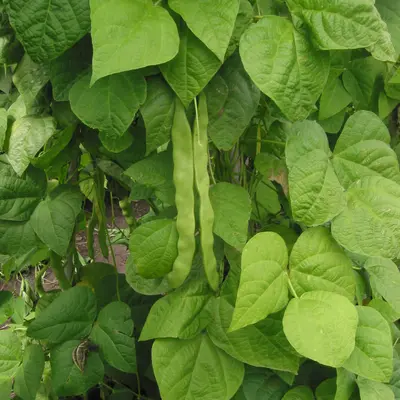
Plants are upright and compact, producing high yields of straight and glossy 5-6" dark green pods. Good disease resistance. More uniform beans, more upright plant habit, and more concentrated set than other green snap varieties. White seeds. Bush bean. Plant Variety Protected.
Harvest
56d
Days to harvest
Sun
Full sun
Zones
2–11
USDA hardiness
Height
18-24 inches
Planting Timeline
Showing dates for Affirmed in USDA Zone 7
All Zone 7 bean →Zone Map
Click a state to update dates
Affirmed · Zones 2–11
Growing Details
Succession Planting
Direct sow Affirmed every 10–14 days from April 1 through late June in zone 7. Each planting runs about 56 days to harvest, so a late-June sowing should finish before the worst of August heat arrives. Once daytime highs are consistently above 90°F, bean flowers drop without setting pods — stop sowing and save the seed. A second short window opens around mid-August after temperatures back off; a sowing then can pull in a fall harvest before first frost, which typically lands around mid-November in north Georgia.
Complete Growing Guide
Affirmed bean seeds should be direct sown into the garden once soil temperatures reach at least 60°F, ideally waiting until after your last frost date when soil is warmer and more workable. Unlike some varieties that benefit from indoor starting, Affirmed's rapid 56-day maturity and preference for undisturbed roots make direct sowing the superior approach. Plant seeds approximately one inch deep and space them three to four inches apart in rows spaced 18 to 24 inches apart. Because Affirmed produces such a concentrated, uniform set of pods on compact, upright plants, slightly tighter spacing than traditional green snap beans is acceptable and won't compromise air circulation or yield.
Prepare your planting area by working in compost or well-rotted organic matter to improve soil structure and drainage. Affirmed thrives in fertile, well-draining soil with a pH between 6.0 and 7.0. Avoid heavy nitrogen fertilization before planting, as this encourages excessive foliage at the expense of pod production, which defeats the purpose of Affirmed's purpose-bred compact habit. A balanced starter fertilizer or a light application of all-purpose fertilizer at planting time suffices for most soils.
Water deeply and consistently once seedlings emerge, aiming for approximately one inch per week through drip irrigation or soaking at the base rather than overhead watering. Consistent moisture is crucial during flowering and pod development; erratic watering causes pod abortion and poor bean quality. Mulch around plants once they're established to regulate soil temperature and moisture while reducing weeds.
Affirmed's excellent disease resistance is one of its defining advantages, but monitor for common bean pests including Mexican bean beetles and spider mites, particularly during hot, dry spells. Insecticidal soap or neem oil addresses spider mite populations before they cause significant stippling on foliage. Hand-pick bean beetles when possible, as they reproduce rapidly and can devastate unmanaged populations. Watch for anthracnose and bacterial spots, though Affirmed's genetic resistance dramatically reduces risk compared to susceptible varieties.
The one critical mistake many gardeners make with Affirmed is attempting to trellis or stake the plants. Affirmed's entire purpose is its upright, self-supporting bush habit with concentrated yields—it simply doesn't need support and doesn't produce vine growth to train. Staking wastes time and effort while potentially damaging the compact form that makes this variety superior for succession planting in smaller spaces.
For continuous harvests, sow new batches of Affirmed seeds every two to three weeks starting in late spring, allowing the 56-day window to work in your favor. Pick pods when they reach the tender four to six-inch stage for peak flavor and texture.
Harvesting
Affirmed reaches harvest at 56 days from sowing per Johnny's Selected Seeds. Expect 5-6" at peak. As an annual, harvest continues until frost ends the season.
The boat-shaped seed pods are bilaterally symmetrical and can be green, yellow, white, or purple at maturity. There is a wide variety of color and shape choices among cultivars.
Color: Gold/Yellow, Green, Purple/Lavender, White. Type: Legume. Length: > 3 inches. Width: < 1 inch.
Garden value: Edible, Good Dried
Harvest time: Fall, Summer
Storage & Preservation
Affirmed beans reach peak quality at 56 days and store best in a cool, humid environment—aim for 45–50°F with 85–90% relative humidity in breathable containers or perforated bags. Fresh pods will keep 7–10 days under these conditions before texture degrades. For longer storage, freezing is your most reliable option: blanch whole or cut beans for 3 minutes, plunge into ice water, drain thoroughly, and freeze in airtight containers for up to 8 months. Canning works well for mature dried beans; pressure-can at 10 PSI for pints. Home drying is excellent if your climate permits—air-dry mature pods until brittle, then shell and store in sealed jars. This variety's tender pod walls mean early harvesting for snap beans versus waiting for shell-bean maturity will significantly influence which preservation method suits your harvest best.
History & Origin
The 'Affirmed' green snap bean was developed and introduced by Harris Seeds, a prominent American seed company with roots in the 19th century. As a Plant Variety Protected cultivar, it represents modern bean breeding aimed at commercial production efficiency. While specific breeder names and exact development year are not widely documented in public sources, 'Affirmed' belongs to the lineage of improved bush bean varieties that emerged from mid-to-late 20th century agricultural research. The variety exemplifies contemporary selection for uniformity, disease resistance, and concentrated pod maturity—traits valued in mechanical harvesting and fresh-market distribution. Its white-seeded genetic background connects it to broader snap bean breeding programs focused on productivity and reliability for both home and commercial growers.
Origin: Tropical America
Advantages
- +High yields from compact upright plants save space
- +Straight glossy 5-6 inch pods ideal for fresh market
- +Concentrated pod set enables efficient single harvesting
- +Good disease resistance reduces fungicide applications needed
- +Uniform beans and plant habit simplifies mechanical harvesting
Considerations
- -Plant Variety Protected status restricts seed saving options
- -Bush habit produces shorter picking window than pole varieties
- -White seeds less visually distinctive than colored varieties
- -Requires consistent moisture for optimal pod quality
Companion Plants
Corn and squash are the most practical neighbors for Affirmed in a zone 7 Georgia garden — corn gives the beans something to climb, squash shades the soil and slows moisture loss, and Affirmed's roots feed Rhizobium bacteria that fix nitrogen for all three. French marigolds (Tagetes patula) planted along the border attract predatory wasps and have shown some deterrent effect on bean beetles in small-plot trials. Onions and garlic are worth keeping at least a few feet away: the sulfur compounds they release appear to suppress the very root bacteria that make beans worth growing in the first place.
Plant Together
Marigold
Repels Mexican bean beetles and aphids while attracting beneficial insects
Basil
Deters aphids and spider mites, may enhance bean flavor
Carrots
Loosens soil for bean roots and doesn't compete for nutrients
Corn
Provides natural support structure for climbing beans
Squash
Ground cover that conserves moisture and suppresses weeds
Radishes
Breaks up soil and deters cucumber beetles that also affect beans
Nasturtiums
Acts as trap crop for aphids and cucumber beetles
Rosemary
Repels Mexican bean beetles and carrot flies
Keep Apart
Onions
Can inhibit bean growth through root secretions
Garlic
Allelopathic compounds can stunt bean development
Sunflowers
Competes heavily for nutrients and can shade beans excessively
Nutrition Facts
Per 100g serving. % Daily Value based on 2,000 calorie diet. Source: USDA FoodData Central (FDC #2346400)
Pests & Disease Resistance
Resistance
Anthracnose (High); Bacterial Brown Spot (Intermediate); Halo Blight (High); One or more races of Bean Mosaic Virus (High)
Common Pests
Bean beetles, spider mites, aphids
Diseases
Bean rust, anthracnose, bacterial brown spot
Troubleshooting Affirmed
What you'll see, why it happens, and what to do about it.
Leaves with ragged chunks missing, plants looking chewed down around weeks 6–7 after sowing
Likely Causes
- Mexican bean beetle (Epilachna varivestis) — adults and larvae both feed on leaf tissue, skeletonizing leaves from the underside
- Bean leaf beetle (Cerotoma trifurcata) — punches clean round holes through leaves
What to Do
- 1.Scout every 2–3 days; flip leaves and crush yellow egg clusters before they hatch
- 2.Handpick adults into a bucket of soapy water — effective when populations are still moderate
- 3.If pressure is heavy, apply spinosad according to label rates; it's OMRI-listed and works on both species
Rusty orange pustules on the undersides of leaves, starting on lower foliage and moving up the plant
Likely Causes
- Bean rust (Uromyces appendiculatus) — a fungal pathogen that spreads quickly in warm, humid conditions
- Planting beans in the same bed five or more years running — overwintered spores in old debris are a reliable source of reinfection, as NC State Extension's IPM case studies document
What to Do
- 1.Pull and trash (not compost) any badly infected leaves as soon as you spot them
- 2.Rotate Affirmed out of that bed for at least 2 seasons to break the spore cycle
- 3.Apply sulfur-based fungicide at first sign of pustules; reapply every 7–10 days if humid weather holds
Frequently Asked Questions
How long does it take Affirmed beans to reach harvest?▼
Is Affirmed a good bean variety for beginners?▼
Can you grow Affirmed beans in containers?▼
What do Affirmed beans taste like?▼
When should I plant Affirmed beans?▼
What makes Affirmed different from other green snap bean varieties?▼
Zone-by-Zone Planting Calendar
| Zone | Indoor Start | Transplant | Direct Sow | Harvest |
|---|---|---|---|---|
| Zone 1 | — | — | July – August | September – August |
| Zone 2 | — | — | June – August | September – September |
| Zone 11 | — | — | January – March | April – May |
| Zone 12 | — | — | January – March | April – May |
| Zone 13 | — | — | January – March | April – May |
| Zone 3 | — | — | June – July | August – October |
| Zone 4 | — | — | June – July | August – October |
| Zone 5 | — | — | May – June | August – September |
| Zone 6 | — | — | May – June | July – September |
| Zone 7 | — | — | April – June | July – August |
| Zone 8 | — | — | April – May | June – August |
| Zone 9 | — | — | March – April | May – July |
| Zone 10 | — | — | February – April | May – June |
Growing Guides from Wind River Greens
Sources & References
External authority sources used in compiling this guide.
- BreederJohnny's Selected Seeds
- USDAUSDA FoodData Central
See the Methodology page for how this data is sourced, what's AI-assisted, and known limitations.