Ponytail Palm
Beaucarnea recurvata
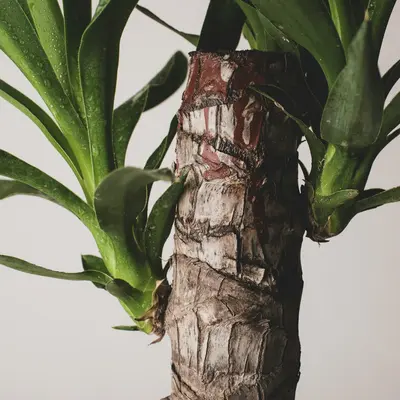
This whimsical Mexican native features a distinctive swollen trunk base that stores water, topped with cascading ribbons of narrow green leaves that give it its playful common name. Despite its tropical appearance, this slow-growing beauty is remarkably drought-tolerant and forgiving, developing character and charm over many years.
Sun
Full sun
Zones
10–11
USDA hardiness
Height
6-8 feet
Complete Growing Guide
Light: Full sun (6 or more hours of direct sunlight a day). Soil: Loam (Silt), Sand. Drainage: Good Drainage, Occasionally Dry. Height: 6 ft. 0 in. - 8 ft. 0 in.. Spread: 3 ft. 0 in. - 5 ft. 0 in.. Spacing: 3 feet-6 feet, 6-feet-12 feet. Growth rate: Slow. Maintenance: Low.
Harvesting
Ponytail palms are ornamental plants grown for foliage rather than harvest, but removing dead or yellowing fronds signals plant maintenance readiness—look for leaves that have turned brown or papery and feel brittle to the touch, indicating they're ready for pruning. Remove these fronds individually as they appear throughout the growing season rather than attempting a single harvest, which maintains the plant's cascading silhouette and encourages new growth. Time your pruning during spring or early summer when the plant is actively growing, as this allows faster recovery and minimizes stress during dormancy.
This is an ornamental variety — not grown for harvest. Enjoy in the garden landscape.
Storage & Preservation
Ponytail palms are ornamental houseplants, not food items, so traditional food storage doesn't apply. Instead, maintain them in bright indoor conditions (65-75°F) with low humidity to prevent root rot. The plant can be kept in its container indefinitely with proper care. Preservation methods include: (1) propagation via pups or seeds to create new plants from mature specimens; (2) dormancy management during winter months by reducing watering to extend lifespan; (3) stem cuttings can be propagated in well-draining soil, though success rates are lower than with other succulents.
History & Origin
Origin: Mexico (Oaxaca, Puebla, San Luis Potosí, Tamaulipas, Veracruz)
Advantages
- +Distinctive swollen trunk base stores water for extended drought tolerance
- +Cascading narrow leaves create an attractive, whimsical ornamental appearance
- +Slow growth means minimal pruning and maintenance requirements over years
- +Extremely forgiving plant suitable for beginners and busy plant parents
- +Tropical look thrives indoors with minimal special care or humidity
Considerations
- -Root rot occurs easily if soil drains poorly or watering is excessive
- -Swollen base prone to rot in consistently wet or humid conditions
- -Very slow growth means it takes years to develop mature character
- -Scale insects and spider mites can infest leaves despite being uncommon pests
Companion Plants
Ponytail Palm's best neighbors are the ones that share its indifference to water — Jade Plant, Aloe Vera, Snake Plant, and String of Pearls all do fine going 2 weeks or more between drinks, so grouping them on a bright south-facing sill in a Georgia sunroom means one watering routine covers everyone. The problem companions — Peace Lily, Boston Fern, African Violet, English Ivy — aren't chemically incompatible, they just need consistently damp soil and higher humidity. If you water to keep a Boston Fern from crisping, you'll push Phytophthora right into that swollen trunk base before the season's out.
Plant Together
Jade Plant
Similar water and light requirements, both thrive in well-draining soil
Snake Plant
Compatible drought tolerance and low maintenance needs
Aloe Vera
Shares similar succulent care requirements and watering schedule
Spider Plant
Tolerates similar light conditions and helps increase humidity through transpiration
Rubber Plant
Compatible light requirements and both prefer to dry out between waterings
Zebra Plant
Similar succulent watering needs and thrives in bright, indirect light
String of Pearls
Complementary growth habits with similar drought tolerance and care requirements
Keep Apart
Peace Lily
Requires consistently moist soil which can cause root rot in ponytail palm
Boston Fern
Needs high humidity and frequent watering that conflicts with succulent care
African Violet
Requires consistently moist soil and high humidity unsuitable for succulents
English Ivy
Fast-growing vine can compete for space and requires more frequent watering
Pests & Disease Resistance
Resistance
Very resistant to diseases and pests
Common Pests
Scale insects, spider mites, mealybugs (uncommon)
Diseases
Root rot from overwatering, leaf spot in humid conditions
Troubleshooting Ponytail Palm
What you'll see, why it happens, and what to do about it.
White cottony clusters in leaf axils or along the trunk, often with sticky residue underneath
Likely Causes
- Mealybugs (Pseudococcidae family) — common on indoor succulents, spread easily from nearby houseplants
What to Do
- 1.Dab individual clusters with a cotton swab soaked in 70% isopropyl alcohol — kills on contact
- 2.Follow up with a diluted neem oil spray (2 tsp per quart of water) every 7 days for 3 weeks
- 3.Quarantine the plant from other succulents until you've gone 2 full weeks without seeing new activity
Soft, mushy base at the trunk or a foul smell coming from the soil — leaves may yellow and droop
Likely Causes
- Root rot caused by Phytophthora or Pythium — almost always triggered by overwatering or a pot without drainage holes
- Heavy, moisture-retaining potting mix rather than a fast-draining cactus/succulent blend
What to Do
- 1.Unpot immediately, trim off any black or brown mushy roots with clean scissors, and let the root ball air-dry for 24 hours before repotting
- 2.Repot into a terra cotta pot with a drainage hole using a gritty cactus mix — at least 50% perlite or coarse sand by volume
- 3.Hold off on watering for 2 full weeks after repotting, then settle into a once-every-2-to-3-weeks schedule permanently
Tiny bronze or silver stippling across leaf surfaces, with fine webbing visible in bright light
Likely Causes
- Spider mites (Tetranychus urticae) — thrive in dry indoor air, especially in heated rooms that drop below 40% humidity in winter
What to Do
- 1.Take the plant to a sink and blast all leaf surfaces with a strong stream of water to knock mites off physically
- 2.Apply insecticidal soap (1 tbsp per quart of water) to both sides of every leaf — repeat every 5-7 days for 3 rounds
- 3.Set a shallow tray of water near the pot or run a small humidifier to keep ambient humidity at 40% or above, which cuts reinfestation risk significantly
Frequently Asked Questions
How long does a ponytail palm live?▼
Is a ponytail palm good for beginners?▼
Can you grow a ponytail palm in a container?▼
How often should I water my ponytail palm?▼
What size does a ponytail palm grow to?▼
Does ponytail palm need full sun?▼
Growing Guides from Wind River Greens
Sources & References
External authority sources used in compiling this guide.
- ExtensionNC State Extension
See the Methodology page for how this data is sourced, what's AI-assisted, and known limitations.