Best Flowers to Grow in Vermont
Vermont spans USDA Zones 3–5, typically Zone 4. We've broken out 523 flower varieties by zone — pick your zone below or find the right varieties for your specific part of the state.
Varieties
523
for Vermont
USDA
Zones 3–5
120–155 days season
Beginner
503
easy to grow
Heirloom
333
heritage varieties
Vermont in USDA Zones 3–5
Vermont spans Zones 3–5. Variety lists below are organized by zone — start with your zone for the most accurate recommendations.
Growing Flowers in Vermont
Zone 4 gardening presents unique opportunities and challenges that shape every flower selection decision. With late spring frosts arriving around May 10th and winter's grip returning by September 25th, you're working with roughly 135 days of growing season – a tight window that demands strategic variety choices. The key to success lies in selecting flowers that either thrive in cooler temperatures, establish quickly once planted, or provide maximum impact during our concentrated growing season.
The silver lining of Zone 4's climate constraints is that many flowers actually perform better in our moderate summers than in hotter regions. Heat-sensitive beauties like Sweet Peas, Snapdragons, and Pansies flourish here when they'd struggle in Zone 7 heat. Meanwhile, hardy perennials like Coneflowers, Black-Eyed Susans, and Bee Balm establish robust root systems during our winters, emerging stronger each spring. Smart Zone 4 gardeners focus on quick-maturing annuals, reliable cold-hardy perennials, and varieties specifically bred for shorter seasons – creating gardens that burst with color from June through September.
Zone 4 Flowers for Vermont★ Most of VT
523 varieties · Last frost May 10 · 135-day season
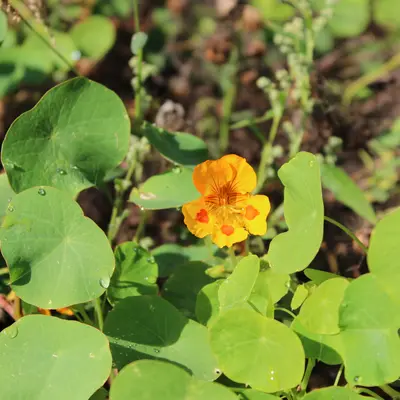
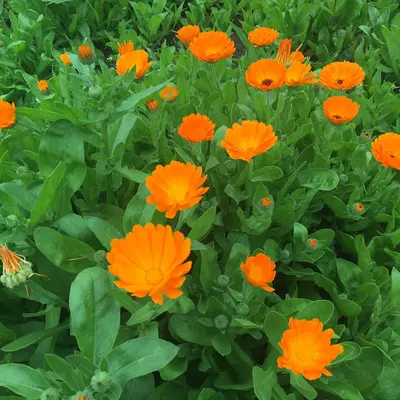
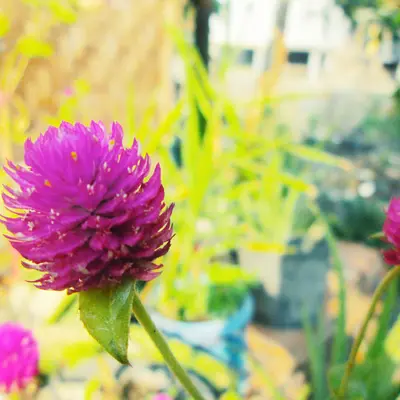
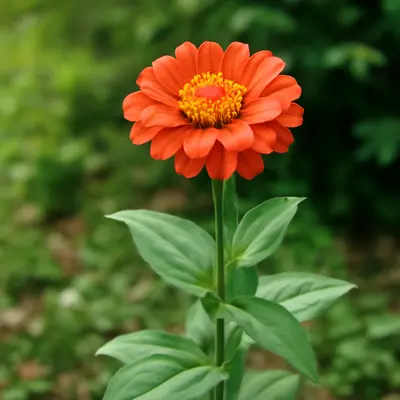
Zone 3 Flowers for Vermont
523 varieties · Last frost May 15 · 120-day season
Zone 5 Flowers for Vermont
523 varieties · Last frost April 30 · 155-day season
Zone 4 Growing Tips for Vermont
Start your growing season indoors 6-8 weeks before your last frost date, which means getting seeds of Petunias, Impatiens, and Begonias started in mid-March. Hardy annuals like Sweet Alyssum, Pansies, and Snapdragons can go out 2-3 weeks before your last frost (late April), while tender plants like Dahlias, Zinnias, and Morning Glories must wait until after May 10th when soil has warmed. I always keep row covers handy through Memorial Day, as surprise late frosts can devastate tender transplants.
Maximize your short season by choosing fast-germinating varieties and pre-warming soil with black plastic or row covers two weeks before planting. Direct-sow quick bloomers like Cosmos, Marigolds, and Nasturtiums right after your last frost date – they'll often outpace transplants started indoors. For fall interest, plant a second crop of cool-season flowers like Pansies and Sweet Alyssum in late July; they'll provide color through September and often survive light frosts into October.