Best Tropical Plants to Grow in Kansas
Kansas spans USDA Zones 5–7, typically Zone 6. We've broken out 2 tropical varieties by zone — pick your zone below or find the right varieties for your specific part of the state.
Varieties
2
for Kansas
USDA
Zones 5–7
155–210 days season
Beginner
1
easy to grow
Heirloom
1
heritage varieties
Kansas in USDA Zones 5–7
Kansas spans Zones 5–7. Variety lists below are organized by zone — start with your zone for the most accurate recommendations.
Growing Tropical Plants in Kansas
Zone 6 presents a fascinating opportunity for tropical gardening, despite its challenging frost dates. With an average last frost around April 15 and first frost by October 15, you get roughly 180 frost-free days—just enough to coax fruit from many tropical varieties if you choose wisely. The key is selecting plants that can handle cooler soil temperatures and make the most of your limited season. Zone 6 gardeners have a real advantage in summer heat, often reaching temperatures that rival tropical regions, but the shortened season means focusing on fast-maturing varieties and early-ripening cultivars. Many tropical plants that struggle in cooler zones can actually thrive here with proper timing and variety selection. The secret lies in understanding which varieties can handle the temperature swings and shorter photoperiod while still delivering the exotic flavors and stunning ornamental value you're after.
Zone 6 Tropical Plants for Kansas★ Most of KS
2 varieties · Last frost April 15 · 180-day season
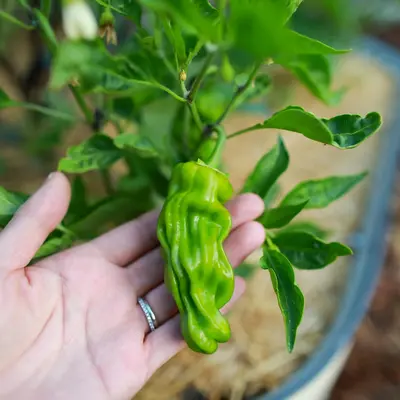

Zone 5 Tropical Plants for Kansas
2 varieties · Last frost April 30 · 155-day season
Zone 7 Tropical Plants for Kansas
2 varieties · Last frost April 1 · 210-day season
Zone 6 Growing Tips for Kansas
Start your tropical seeds indoors 6-8 weeks before your last frost date—aim for early March for most varieties. This gives plants like tomatoes, peppers, and herbs a crucial head start before transplanting after May 1st when soil temperatures stabilize above 60°F. For heat-loving crops like habaneros and ornamental peppers, wait until late May when nighttime temperatures consistently stay above 55°F. Container growing is your best friend in Zone 6, allowing you to move tender plants like dwarf fruit trees and banana plants to protected areas or indoors when temperatures drop. Use black plastic mulch or row covers to extend your season—you can often push harvest dates into November with proper protection. The biggest challenge you'll face is getting enough accumulated heat units for long-season crops like mangoes and avocados, so focus on dwarf varieties and consider supplemental heating in shoulder seasons.