Delaware in USDA Zone 7
Delaware is primarily in Zone 7. Local microclimates can vary.
Growing Squash & Cucumbers in Delaware
Zone 7 offers an excellent sweet spot for squash growing, with its generous 210-day growing season stretching from early April to late October. This extended season means you can successfully grow both quick-maturing summer squash and long-season winter varieties like Hubbard and Butternut. The moderate climate allows for multiple plantings of summer squash, ensuring continuous harvests from June through the first frost.
What makes Zone 7 particularly advantageous is the ability to direct seed most varieties by mid-April, avoiding the transplant shock that can set back squash plants. However, the zone does present challenges—hot, humid summers can stress plants and encourage squash bugs and vine borers, while unpredictable spring weather can catch gardeners off guard with late cold snaps. The key is selecting varieties that handle heat well and have proven disease resistance.
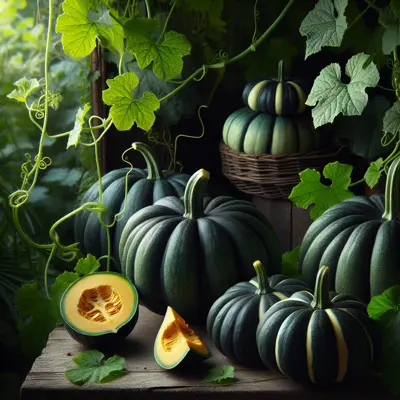
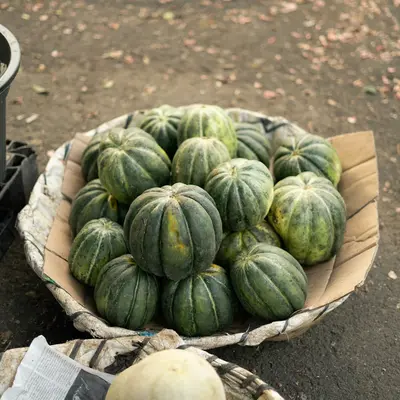
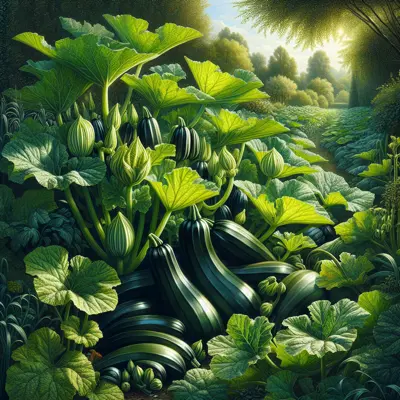
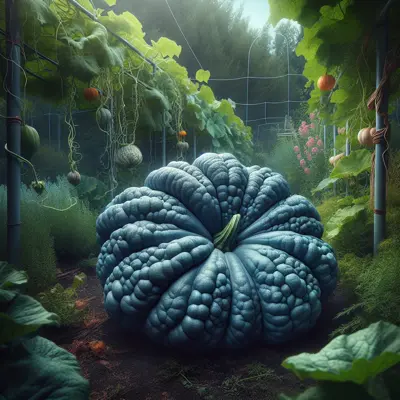
The varieties I've selected for Zone 7 excel in this climate's specific conditions. Fast-maturing summer types like Black Beauty Zucchini and Yellow Crookneck can be succession planted every 3-4 weeks through July. Long-season winter squash like Waltham Butternut and Kabocha have enough time to fully mature, while unique varieties like Tromboncino offer both summer and winter harvests from the same plant—perfect for maximizing your growing space and season.
Zone 7 Squash & Cucumbers for Delaware
60 varieties · Last frost April 1 · 210-day season

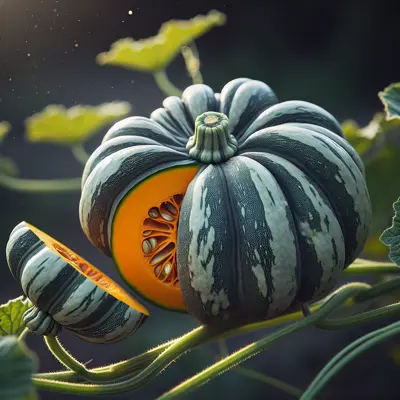
Zone 7 Growing Tips for Delaware
In Zone 7, timing is everything with squash. Start your first plantings around April 15th when soil has warmed to at least 60°F—cold soil leads to poor germination and fungal issues. For winter squash varieties like Butternut and Hubbard, this single spring planting gives them the full season they need to mature. Summer squash can be succession planted every 3-4 weeks through mid-July, with your last planting still producing before October's first frost.
Skip starting seeds indoors unless you're pushing the season—squash hate root disturbance and direct seeding in warm soil typically outperforms transplants. If you do start indoors, use biodegradable pots and transplant the entire pot to minimize shock. Row covers are invaluable in Zone 7 for protecting young plants from late spring cold snaps and early-season pest pressure, but remove them once flowering begins to ensure proper pollination.
The biggest challenge in Zone 7 is managing the intense summer heat and pest pressure. Plant in locations that receive morning sun but some afternoon shade during peak summer. Mulch heavily to keep roots cool and maintain consistent soil moisture—inconsistent watering leads to blossom end rot and bitter flavors. Watch for squash vine borers in late June and July, and be prepared to manage powdery mildew during humid periods by ensuring good air circulation and avoiding overhead watering.