Best Squash & Cucumbers to Grow in Alabama
Alabama spans USDA Zones 7–9, typically Zone 8. We've broken out 60 squash varieties by zone — pick your zone below or find the right varieties for your specific part of the state.
Varieties
60
for Alabama
USDA
Zones 7–9
210–290 days season
Beginner
24
easy to grow
Heirloom
36
heritage varieties
Alabama in USDA Zones 7–9
Alabama spans Zones 7–9. Variety lists below are organized by zone — start with your zone for the most accurate recommendations.
Growing Squash & Cucumbers in Alabama
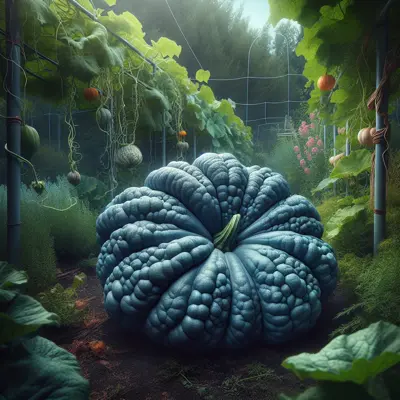
Zone 8's generous 240-day growing season, stretching from mid-March to mid-November, creates exceptional opportunities for both summer and winter squash varieties. The long, warm summers provide ample time for heat-loving varieties like Hubbard Blue and Kabocha to fully mature, while the extended fall season allows gardeners to succession plant summer squash for continuous harvests well into October. However, the intense summer heat can stress plants and encourage rapid pest reproduction, particularly squash bugs and vine borers that thrive in sustained temperatures above 85°F.
When selecting varieties for Zone 8, prioritize heat tolerance, disease resistance, and strategic timing. Early-maturing summer varieties like Yellow Crookneck and Black Beauty Zucchini can produce heavily before peak summer stress, while heat-tolerant types like Tromboncino and Vegetable Marrow actually perform better in Zone 8's warm conditions than in cooler regions. For winter squash, focus on varieties that can handle the heat during their growing phase but still achieve proper curing before any early cold snaps – Sugar Pie Pumpkins and Delicata are particularly reliable in this regard.
Zone 8 Squash & Cucumbers for Alabama★ Most of AL
60 varieties · Last frost March 15 · 240-day season

Zone 7 Squash & Cucumbers for Alabama
60 varieties · Last frost April 1 · 210-day season
Zone 9 Squash & Cucumbers for Alabama
60 varieties · Last frost February 15 · 290-day season
Zone 8 Growing Tips for Alabama
Start your first summer squash seeds indoors around February 15-20, then transplant outdoors after the March 15 frost date when soil temperatures consistently reach 60°F. For continuous harvests, make succession plantings every 2-3 weeks through early July – any later and plants may struggle to establish before peak August heat. Winter squash should go in the ground by late May to early June, giving them adequate time to mature before November's first frost.
Zone 8's biggest challenge is managing summer heat stress and the pest pressure it intensifies. Plant in morning sun locations that receive afternoon shade, and establish a consistent deep watering schedule before hot weather arrives. Floating row covers during the first month protect young plants from vine borers, but remove them once flowering begins. Mulch heavily with organic matter to keep soil temperatures down and maintain moisture – this single practice can mean the difference between thriving plants and stressed, pest-prone ones.
Take advantage of the extended fall season by planning for late-season plantings of quick-maturing summer varieties. Yellow Summer Squash planted in late July will produce abundantly through October, often with fewer pest issues as populations naturally decline. Winter squash benefits from the gradual temperature drop – harvest after the first light frost kills the vines but before any hard freezes damage the fruit.