Delaware in USDA Zone 7
Delaware is primarily in Zone 7. Local microclimates can vary.
Growing Corn in Delaware
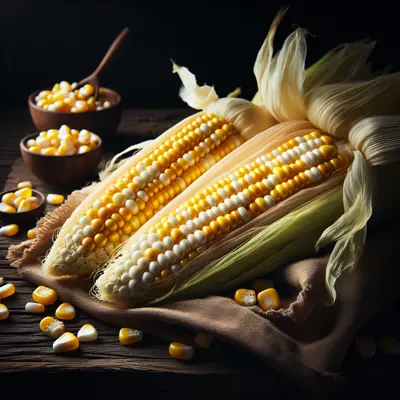
Zone 7 gardeners hit the sweet spot for growing exceptional corn, blessed with a generous 210-day growing season that opens doors to varieties other zones can only dream of. Your April 1st average last frost and late October first frost create an ideal window for both quick-maturing favorites and those prized long-season varieties that need extra time to develop their full flavor potential. The extended warm period means you can succession plant for continuous harvests and even experiment with specialty varieties like Glass Gem or Painted Mountain that need those extra weeks to fully mature.
When selecting corn varieties for Zone 7, focus on heat tolerance and disease resistance, as your long, warm summers can stress plants and encourage fungal issues. Look for varieties that can handle both the intense July-August heat and the occasional late-season humidity spikes common in this zone. The beauty of Zone 7 lies in your flexibility – you can grow everything from ultra-sweet supersweet varieties like Honey Select and How Sweet It Is to traditional open-pollinated heirlooms like Country Gentleman, giving you options for fresh eating, preserving, and even ornamental purposes.
Zone 7 Corn for Delaware
32 varieties · Last frost April 1 · 210-day season



Zone 7 Growing Tips for Delaware
Direct sow your corn seeds in Zone 7 starting around mid-April, about two weeks after your average last frost when soil temperatures consistently reach 60°F. The key to Zone 7 corn success is succession planting every 2-3 weeks through early July, which maximizes your long season and ensures fresh ears from July through October. Plant early varieties like Early Sunglow first, followed by mid-season types like Silver Queen, and finish with late-season varieties such as Stowell's Evergreen for fall harvest.
Your main challenges in Zone 7 will be managing summer heat stress and dealing with increased pest pressure from corn earworms and European corn borers that thrive in your extended growing season. Combat heat stress by ensuring consistent moisture and consider afternoon shade during the hottest weeks. For pest management, time plantings to avoid peak insect pressure – early June and late July sowings often escape the worst infestations. Mulch heavily to retain soil moisture and keep roots cool during those brutal August days when temperatures soar into the 90s.