Live Oak
Quercus virginiana
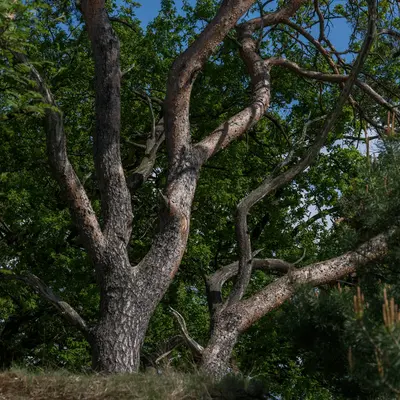
An iconic Southern evergreen oak that develops massive, spreading horizontal branches draped with Spanish moss, creating one of the most distinctive and majestic tree forms in North America. This extremely long-lived tree provides year-round shade and becomes a true heirloom landscape feature that will define your property for centuries.
Harvest
N/Ad
Days to harvest
Sun
Wildlife Food Source
Zones
8–10
USDA hardiness
Height
40-80 feet
Planting Timeline
Showing dates for Live Oak in USDA Zone 8
All Zone 8 ornamental-tree →Zone Map
Click a state to update dates
Live Oak · Zones 8–10
Growing Details
Zone-by-Zone Planting Calendar
Complete Growing Guide
Light: Wildlife Food Source. Soil: Clay, Loam (Silt), Sand. Soil pH: Acid (<6.0), Neutral (6.0-8.0). Drainage: Good Drainage, Moist, Occasionally Dry. Height: 40 ft. 0 in. - 80 ft. 0 in.. Spread: 30 ft. 0 in. - 100 ft. 0 in.. Spacing: more than 60 feet. Growth rate: Medium. Maintenance: Medium. Propagation: Seed. Regions: Coastal.
Harvesting
0.75- 1-inch egg-shaped acorns on long stalks are produced singly or in up to clusters of 5 and have bowl-shaped caps with tiny sharp-pointed scales covering 1/3 of the nut. Fruits are available September-November.
Color: Black, Brown/Copper, Gold/Yellow. Type: Nut. Length: < 1 inch. Width: < 1 inch.
Harvest time: Fall
Bloom time: Spring
Edibility: Acorns can be eaten after the tannin has been leached or boiled out.
History & Origin
Origin: Southeastern United States, Mexico
Advantages
- +Disease resistance: Deer, Salt, Storm damage, Wet Soil, Wind
- +Attracts: Butterflies, Moths, Pollinators, Small Mammals, Songbirds
- +Edible: Acorns can be eaten after the tannin has been leached or boiled out.
Considerations
- -Toxic (Leaves, Seeds): Low severity
Companion Plants
Plant Together
Native Azaleas
Thrive in partial shade under oak canopy and complement oak's natural ecosystem
Wild Ginger
Excellent groundcover that tolerates oak root competition and adds understory interest
Coral Honeysuckle
Native vine that can climb oak trunk without damaging bark, attracts hummingbirds
Southern Shield Fern
Thrives in oak's filtered light and helps retain soil moisture around roots
Coralberry
Native understory shrub that tolerates oak's allelopathic compounds and provides wildlife food
Wild Columbine
Adapts well to oak's dappled shade and naturalizes easily beneath the canopy
Spicebush
Native shrub that thrives in oak woodland conditions and supports native butterfly larvae
Christmas Fern
Evergreen groundcover that tolerates oak leaf litter and provides year-round interest
Keep Apart
Black Walnut
Produces juglone which can stress oak trees and compete for similar soil resources
Pine Trees
Create overly acidic soil conditions that can stress live oaks over time
Turf Grass
Competes heavily for water and nutrients, requires irrigation that can promote oak root rot
Eucalyptus
Allelopathic properties inhibit oak regeneration and creates fire hazard near oak
Pests & Disease Resistance
Resistance
Very disease resistant, occasional oak wilt in some regions
Common Pests
Scale insects, gall wasps, caterpillars
Diseases
Oak wilt (regional), leaf spot (minor), root rot in poorly drained soils