Snake Plant
Sansevieria trifasciata
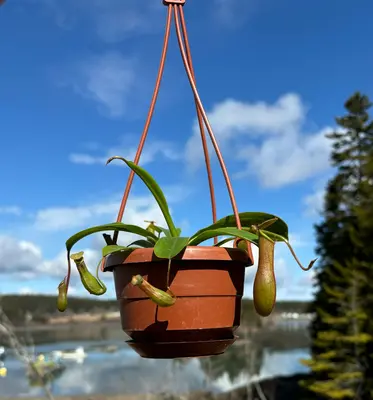
The ultimate low-maintenance houseplant, perfect for beginners and busy plant parents who want greenery without the fuss. Also known as 'Mother-in-Law's Tongue,' this architectural succulent tolerates neglect, low light, and infrequent watering while purifying your indoor air. Its striking upright leaves with yellow margins add modern sophistication to any space.
Harvest
N/Ad
Days to harvest
Sun
Low to bright indirect light
Zones
10–12
USDA hardiness
Difficulty
Very easy
Complete Growing Guide
Height: Height: 0.25 to 0.50 feet. Spread: Spread: 0.25 to 0.50 feet. Sun: Sun: Part shade. Water: Water: Dry to medium. Zones: Zone: 10 to 11. Bloom time: Bloom Time: Rarely flowers indoors. Maintenance: Maintenance: Low.
Harvesting
Bloom time: Bloom Time: Rarely flowers indoors
History & Origin
Family: Family: Asparagaceae
Advantages
- +Low maintenance
Companion Plants
Plant Together
ZZ Plant
Similar low-light and drought tolerance, compatible watering schedules
Pothos
Both thrive in low light and help purify air, complementary growth habits
Peace Lily
Both are excellent air purifiers and tolerate similar indoor conditions
Spider Plant
Compatible light requirements and both are low-maintenance air purifiers
Rubber Plant
Similar drought tolerance and both remove indoor air toxins effectively
Aloe Vera
Both are succulents with similar watering needs and low maintenance requirements
Philodendron
Tolerates similar lighting conditions and has complementary trailing growth
Chinese Evergreen
Both thrive in low to medium light and have similar care requirements
Keep Apart
Boston Fern
Requires high humidity and frequent watering, opposite of snake plant's dry preferences
Calathea
Needs consistently moist soil and high humidity, conflicting with snake plant care
Maidenhair Fern
Requires constant moisture and high humidity, incompatible watering schedules
Pests & Disease Resistance
Resistance
Highly resistant to most diseases and pests
Common Pests
Spider mites, mealybugs (rare with proper care)
Diseases
Root rot from overwatering (primary concern)