English Ivy
Hedera helix
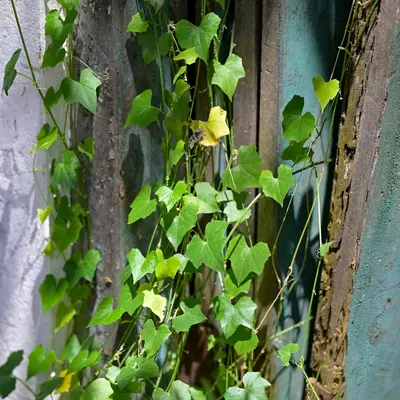
A classic trailing houseplant with distinctive lobed leaves that brings timeless elegance to any indoor space. This versatile vine can cascade beautifully from hanging baskets or climb up moss poles, making it perfect for adding vertical interest to your plant collection. Known for its air-purifying qualities and low-maintenance nature, it's an ideal choice for both beginners and experienced plant parents.
Harvest
N/Ad
Days to harvest
Sun
Ficus pumila
Zones
4–13
USDA hardiness
Height
20-80 feet
Complete Growing Guide
Light: Ficus pumila, Hedera canariensis, x Fatshedera lizei. Soil: Clay, High Organic Matter, Loam (Silt), Sand, Shallow Rocky. Soil pH: Acid (<6.0), Alkaline (>8.0), Neutral (6.0-8.0). Drainage: Good Drainage, Moist, Occasionally Wet. Height: 20 ft. 0 in. - 80 ft. 6 in.. Spread: 3 ft. 0 in. - 50 ft. 0 in.. Spacing: 24-60 feet, more than 60 feet. Growth rate: Rapid. Maintenance: 'Arborescens', 'Baltica', 'Bulgaria', 'Buttercup', 'Glacier', 'Gnome', 'Gold Child' or 'Goldchild', ' Green California', 'Hibernica', 'Ivalace', 'Midas Touch', 'Variegated'. Propagation: Division, Root Cutting, Seed, Stem Cutting. Regions: Coastal, Mountains, Piedmont.
Harvesting
Conspicuous cluster of black berry-like drupes.
Color: Black, Blue. Type: Aggregate, Berry, Drupe. Length: < 1 inch. Width: < 1 inch.
Harvest time: Fall
Bloom time: Fall, Summer
Edibility: Leaves and berries are toxic to humans.
History & Origin
Origin: Europe, Scandinavia east to Russia
Advantages
- +Disease resistance: Drought, Heavy Shade, Salt
- +Attracts: Songbirds
- +Edible: Leaves and berries are toxic to humans.
- +Fast-growing
Considerations
- -Toxic (Bark, Flowers, Fruits, Leaves, Roots, Sap/Juice, Seeds, Stems): Medium severity
- -Causes contact dermatitis
Companion Plants
Plant Together
Pothos
Similar light and watering requirements, both tolerate low humidity
Spider Plant
Compatible moisture needs and helps maintain ambient humidity
Peace Lily
Both prefer indirect light and help maintain higher humidity levels
Philodendron
Similar care requirements and both filter indoor air pollutants
Boston Fern
Creates beneficial microclimate with increased humidity for both plants
Snake Plant
Complementary watering schedules and both are low-maintenance
ZZ Plant
Both tolerate neglect and low-light conditions well
Rubber Tree
Similar indirect light preferences and complementary growth habits
Keep Apart
Succulents
Conflicting water requirements - succulents need dry conditions while ivy prefers consistent moisture
Cacti
Opposite humidity and watering needs can lead to root rot in ivy or dehydration in cacti
Fiddle Leaf Fig
Requires bright indirect light while ivy prefers lower light, leading to competition for optimal placement
Pests & Disease Resistance
Resistance
Generally hardy but can suffer from overwatering issues
Common Pests
Spider mites, aphids, scale insects
Diseases
Root rot, bacterial leaf spot, powdery mildew in humid conditions