Red Malaysian Guava
Psidium guajava 'Red Malaysian'
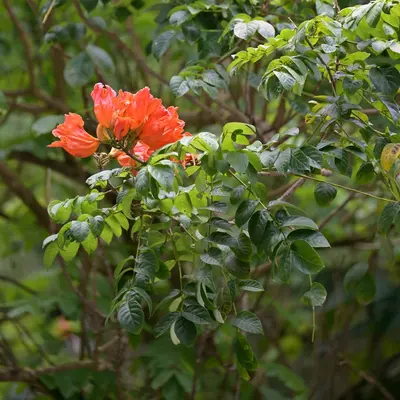
A premium guava variety prized for its exceptional sweetness and beautiful deep pink to red flesh that's incredibly aromatic and flavorful. The medium-sized fruits have a smooth, pale green to yellow skin and are packed with vitamin C, offering a perfect balance of tropical sweetness with minimal seeds. This productive variety fruits almost year-round in suitable climates and adapts well to container growing.
Harvest
90-120d
Days to harvest
Sun
Full sun
Zones
10–12
USDA hardiness
Height
25 feet
Planting Timeline
Showing dates for Red Malaysian Guava in USDA Zone 11
All Zone 11 tropical →Zone Map
Click a state to update dates
Red Malaysian Guava · Zones 10–12
Growing Details
Complete Growing Guide
Growing Red Malaysian Guava (Psidium guajava 'Red Malaysian') tropical. Light: Full sun (6-8 hours). Hardy in USDA zones 10 to 12. Days to maturity: 90-120. Difficulty: Easy. F1 hybrid — vigorous and uniform. Disease resistance: Generally disease resistant, good pest tolerance.
Harvesting
Harvest Red Malaysian Guavas when the skin transitions from pale green to soft yellow with deep pink undertones, and the fruit yields slightly to gentle palm pressure while emitting a strong, sweet aromatic fragrance. Medium-sized fruits typically reach peak ripeness 90-120 days after flowering, with optimal flavor when the flesh inside develops its characteristic deep red hue. Rather than a single harvest window, this prolific variety produces fruits continuously throughout the year in tropical climates, allowing you to pick ripe specimens every few weeks by regularly inspecting the canopy. For best results, harvest in early morning when fruits are coolest and sugar content is highest, ensuring maximum sweetness and aroma in each bite.
This is an ornamental variety — not grown for harvest. Enjoy in the garden landscape.
Storage & Preservation
Red Malaysian guavas keep best at 50–55°F with 85–90% humidity in breathable containers or mesh bags, away from ethylene-producing fruits. Whole fruit maintains quality for 5–7 days at room temperature, extending to 2–3 weeks under refrigeration. For longer preservation, freezing works exceptionally well—halve or puree the fruit, pack into freezer bags, and store up to 8 months for smoothies and juices. Canning as jam or jelly capitalizes on the natural pectin and intense flavor, yielding shelf-stable preserves. Dried guava leather makes a portable snack, though high seed content requires pressing through a fine mesh. The aromatic compounds intensify slightly during the first few days post-harvest, so waiting briefly before processing for juices or smoothies rewards patience with maximum flavor depth.
History & Origin
Psidium is a genus of trees and shrubs in the family Myrtaceae. It is native to warmer parts of the Western Hemisphere. Many of the species bear edible fruits, and for this reason several are cultivated commercially. The most popularly cultivated species is the common guava, Psidium guajava.
Advantages
- +F1 hybrid — vigorous, uniform plants
- +Container-friendly — grows well in pots
- +Disease resistance: Generally disease resistant, good pest tolerance
- +Easy to grow — beginner-friendly
Considerations
- -Narrow hardiness range — best in zones 10-12
Companion Plants
Marigolds (Tagetes erecta or T. patula) are probably the most practical companion here. Their roots exude thiophenes — compounds that suppress root-knot nematodes (Meloidogyne spp.) in the surrounding soil — and guava roots in warm, sandy soils are genuinely nematode-prone. Plant them densely in a ring about 2-3 feet out from the drip line, not right up against the trunk. Lemongrass planted nearby pulls double duty: its strong scent disrupts fruit fly adults searching for a host, and as a clumping grass it won't compete hard for water the way a spreading groundcover would.
Sweet basil and nasturtiums are worth planting mainly for pollinator draw. Guava flowers are small and low-scent, so anything that keeps bees working that corner of the garden helps fruit set. Comfrey earns its space as a chop-and-drop fertilizer — its deep taproot mines calcium and potassium from well below the guava's root zone, and cut leaves decompose fast enough to matter within a single growing season. Keep it mowed down rather than letting it seed around.
Black walnut is the one to actively avoid. Juglone — the allelopathic compound Juglans nigra produces in its roots and leaf litter — is documented to suppress or kill a wide range of fruit trees, and guava's shallow feeder roots make it more exposed than a deep-rooted species would be. Don't plant within 60 feet of an established walnut. Eucalyptus creates a similar problem through allelopathic leaf litter and outright water competition at the root level. Fennel inhibits neighboring plants broadly and doesn't belong close to anything you're trying to fruit heavily.
Plant Together
Marigold
Repels nematodes and aphids, attracts beneficial insects
Lemongrass
Deters mosquitoes and other flying pests, doesn't compete for nutrients
Sweet Basil
Repels fruit flies and aphids, improves overall plant health
Nasturtium
Acts as trap crop for aphids and whiteflies, edible flowers
Mint
Deters ants and rodents, repels flying insects
Comfrey
Deep roots bring nutrients to surface, excellent mulch material
Papaya
Similar water and nutrient needs, attracts beneficial pollinators
Pineapple
Compatible tropical growth requirements, efficient space utilization
Keep Apart
Black Walnut
Produces juglone which is toxic to many fruit trees including guava
Eucalyptus
Allelopathic compounds inhibit growth of nearby plants
Fennel
Strong allelopathic effects suppress growth of most fruit trees
Nutrition Facts
Per 100g serving. % Daily Value based on 2,000 calorie diet. Source: USDA FoodData Central (FDC #173044)
Pests & Disease Resistance
Resistance
Generally disease resistant, good pest tolerance
Common Pests
Fruit flies, Caribbean fruit fly, scale insects
Diseases
Anthracnose, canker (in humid conditions)
Troubleshooting Red Malaysian Guava
What you'll see, why it happens, and what to do about it.
Fruit skin showing dark, sunken, water-soaked lesions that expand and rot the flesh before the fruit is fully ripe
Likely Causes
- Anthracnose (Colletotrichum gloeosporioides) — a fungal pathogen that thrives in warm, wet conditions and infects fruit through small wounds or thin skin
- Fruit left on the tree past peak ripeness, which makes the skin more vulnerable
What to Do
- 1.Harvest fruit early — guavas will ripen off the tree at room temperature, and picking at the color-break stage (green shifting to yellow or pink) keeps anthracnose from getting a foothold
- 2.Thin the canopy with a pruning saw each spring so air moves through — dense growth holds moisture against the fruit
- 3.Apply copper-based fungicide at fruit set if you had heavy losses the previous season; follow label rates carefully, as overuse builds resistance
Fruit surface punctured with small holes, flesh tunneled or brown inside when cut open, often with larvae present
Likely Causes
- Caribbean fruit fly (Anastrepha suspensa) — females lay eggs just under the skin, and larvae feed through the flesh
- Fruit flies (various Bactrocera spp.) in areas where they're established
What to Do
- 1.Bag developing fruit individually with paper or mesh bags starting about 60 days after fruit set — this is labor-intensive but the most reliable non-chemical control
- 2.Hang protein-bait traps (e.g., GF-120 NatureFly or similar spinosad-based bait) within 6 feet of the canopy to knock down adult populations before they lay eggs
- 3.Pick up and destroy any dropped fruit immediately — don't compost it; larvae in fallen fruit complete their cycle in the soil and re-infest the next crop
Sticky, shiny residue on leaves and branches, sometimes followed by black sooty mold coating the upper leaf surface
Likely Causes
- Scale insects (soft scales or armored scales) feeding on stems and leaves and excreting honeydew
- High humidity and poor airflow that lets sooty mold (Capnodium spp.) colonize the honeydew
What to Do
- 1.Scrub light infestations off with a stiff brush dipped in diluted neem oil solution (2 tablespoons neem per gallon of water with a few drops of dish soap)
- 2.For heavier scale loads, apply horticultural oil spray — coat stems and undersides of leaves thoroughly; repeat every 10-14 days for 3 applications
- 3.Check for ants moving up the trunk — they farm scale colonies and drive off predators like parasitic wasps; wrap the trunk with a sticky barrier band to interrupt ant traffic
Frequently Asked Questions
How long does a Red Malaysian Guava take to grow and fruit?▼
Can you grow Red Malaysian Guava in containers?▼
What does Red Malaysian Guava taste like?▼
Is Red Malaysian Guava good for beginner gardeners?▼
When should I plant Red Malaysian Guava?▼
How much sun does Red Malaysian Guava need?▼
Zone-by-Zone Planting Calendar
Growing Guides from Wind River Greens
Sources & References
External authority sources used in compiling this guide.
- Bot. GardenMissouri Botanical Garden
- USDAUSDA FoodData Central
See the Methodology page for how this data is sourced, what's AI-assisted, and known limitations.