Best Peppers to Grow in West Virginia
West Virginia spans USDA Zones 5–7, typically Zone 6. We've broken out 73 pepper varieties by zone — pick your zone below or find the right varieties for your specific part of the state.
Varieties
73
for West Virginia
USDA
Zones 5–7
155–210 days season
Beginner
41
easy to grow
Heirloom
35
heritage varieties
West Virginia in USDA Zones 5–7
West Virginia spans Zones 5–7. Variety lists below are organized by zone — start with your zone for the most accurate recommendations.
Growing Peppers in West Virginia
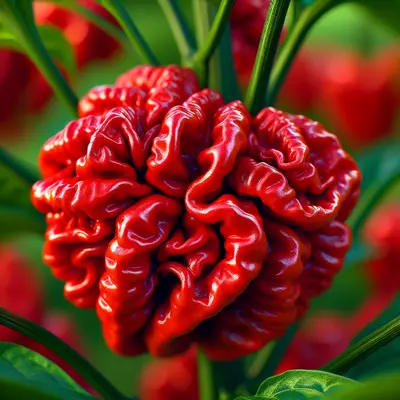
Zone 6 offers pepper growers a sweet spot with 180 days of growing season—long enough for most varieties to reach full maturity, yet short enough to require strategic planning. Your April 15th average last frost and October 15th first frost create a window that's particularly well-suited for medium-heat peppers and early-maturing varieties, though with proper technique, even superhots like Ghost Pepper and Carolina Reaper can succeed here.
The key to pepper success in Zone 6 is choosing varieties that either mature quickly (70-85 days) or have been bred for cooler climates. You'll want to avoid late-season varieties that need 120+ days unless you're committed to season extension. Focus on peppers with good cool-weather tolerance in spring and fall, as Zone 6's temperature swings can stress plants if they're not adapted to handle variability.
Zone 6 Peppers for West Virginia★ Most of WV
73 varieties · Last frost April 15 · 180-day season
Zone 5 Peppers for West Virginia
73 varieties · Last frost April 30 · 155-day season
Zone 7 Peppers for West Virginia
73 varieties · Last frost April 1 · 210-day season
Zone 6 Growing Tips for West Virginia
Start your pepper seeds indoors 8-10 weeks before your last frost date—that means late January to early February for most Zone 6 areas. Peppers are notoriously slow to germinate and grow in cool conditions, so don't rush this timeline. Keep seedlings warm (75-80°F) and under grow lights for stocky growth. Plan to transplant after soil temperatures consistently reach 60°F, usually 2-3 weeks after your last frost date, which puts you in early May.
Season extension is your secret weapon in Zone 6. Use row covers, Wall O' Water, or cold frames to protect plants from late spring chills and extend your harvest into November. Many Zone 6 growers also use black plastic mulch or raised beds to warm the soil faster in spring. If you're growing superhots like Ghost Pepper or Carolina Reaper, consider container growing so you can move plants to a protected area when temperatures drop below 45°F.