Best Peppers to Grow in Oklahoma
Oklahoma spans USDA Zones 6–8, typically Zone 7. We've broken out 73 pepper varieties by zone — pick your zone below or find the right varieties for your specific part of the state.
Varieties
73
for Oklahoma
USDA
Zones 6–8
180–240 days season
Beginner
41
easy to grow
Heirloom
35
heritage varieties
Oklahoma in USDA Zones 6–8
Oklahoma spans Zones 6–8. Variety lists below are organized by zone — start with your zone for the most accurate recommendations.
Growing Peppers in Oklahoma
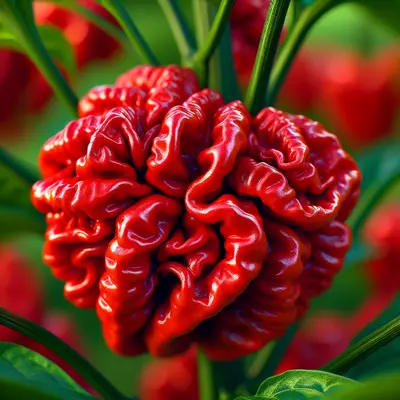
Zone 7's generous 210-day growing season makes it a pepper paradise, offering enough warmth and time to successfully grow everything from quick-maturing sweet bells to notoriously slow superhots like Carolina Reapers. The key advantage here is your extended frost-free period from April 1st through October 30th, giving heat-loving varieties the sustained warmth they crave. However, Zone 7's variable spring weather can be tricky – you'll often see teasing warm spells in March followed by surprise cold snaps that can devastate tender transplants.
When selecting pepper varieties for Zone 7, prioritize those that can handle some temperature fluctuation and make the most of your long season. Fast-maturing varieties like 'Early Jalapeño' and 'Sweet Banana' are excellent insurance policies, giving you harvests even if summer arrives late. Meanwhile, your extended growing season opens the door to longer-season specialties like 'Bhut Jolokia' ghost peppers and 'Ancho Poblano' – varieties that gardeners in shorter seasons can only dream of ripening outdoors. The sweet spot is choosing a mix of reliable early producers and exciting long-season varieties that truly showcase what Zone 7 can offer.
Zone 7 Peppers for Oklahoma★ Most of OK
73 varieties · Last frost April 1 · 210-day season
Zone 6 Peppers for Oklahoma
73 varieties · Last frost April 15 · 180-day season
Zone 8 Peppers for Oklahoma
73 varieties · Last frost March 15 · 240-day season
Zone 7 Growing Tips for Oklahoma
Start pepper seeds indoors 8-10 weeks before your last frost date, putting you in late January to early February for Zone 7. This timing ensures sturdy transplants ready to go outdoors once soil temperatures consistently stay above 60°F, typically mid to late April. Don't rush transplanting even though your average last frost is April 1st – peppers are far more sensitive to cold soil than air temperature, and a chilly April night can stunt plants for weeks.
Take advantage of Zone 7's long season by succession planting. Set out your main crop in late April, then plant a second round in early June for fall harvests. Use row covers or Wall O' Water protectors for early plantings, and consider black plastic mulch to warm soil faster. Your biggest challenge will be managing the transition from cool, wet spring weather to hot summers – ensure good air circulation to prevent fungal issues during humid periods, and be ready with shade cloth when temperatures soar above 90°F in July and August.