Best Flowers to Grow in Nunavut
Nunavut spans USDA Zones 1–2, typically Zone 3. We've broken out 523 flower varieties by zone — pick your zone below or find the right varieties for your specific part of the state.
Varieties
523
for Nunavut
USDA
Zones 1–2
55–85 days season
Beginner
503
easy to grow
Heirloom
333
heritage varieties
Nunavut in USDA Zones 1–2
Nunavut spans Zones 1–2. Variety lists below are organized by zone — start with your zone for the most accurate recommendations.
Growing Flowers in Nunavut
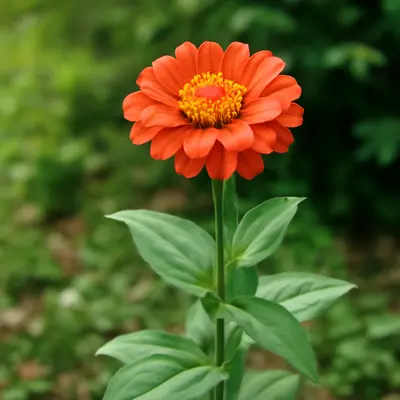
Zone 3 presents unique challenges that demand careful flower selection, but don't let the short growing season fool you—this zone can produce stunning blooms with the right varieties. The key is choosing flowers that either thrive in cool conditions, establish quickly, or provide maximum impact in a compressed timeframe. Cold-hardy perennials like Echinacea Magnus and Rudbeckia Goldstrum are invaluable here, returning year after year and often blooming within weeks of snowmelt. Meanwhile, fast-maturing annuals like Cosmos Sensation Mix and Zinnia State Fair Mix can go from seed to spectacular display in just 60-70 days, making them perfect for your abbreviated season.
Success in Zone 3 flower gardening comes down to understanding that intensity often trumps longevity. Varieties like Dahlia Cafe au Lait and Sunflower Russian Mammoth may have a shorter bloom window than in warmer zones, but they'll put on a show that rivals any southern garden. The secret is layering early bloomers like Sweet Alyssum Snow Princess with mid-season showstoppers like Garden Phlox David, then finishing with late-season stalwarts like Black-Eyed Susan that can handle your early September frosts. This approach maximizes color from May through September, turning your brief growing season into a continuous celebration.
Zone 2 Flowers for Nunavut
523 varieties · Last frost June 1 · 85-day season

Zone 1 Flowers for Nunavut
523 varieties · Last frost June 15 · 55-day season
Zone 3 Growing Tips for Nunavut
Start your Zone 3 flower strategy indoors in March and April, giving heat-lovers like Impatiens New Guinea Divine Mix and tender annuals a crucial head start. Most warm-season flowers need 6-8 weeks of indoor growth before they can handle your mid-May transplant window. Wait until soil temperatures consistently reach 60°F—usually 7-10 days after your last frost—before transplanting tender annuals outdoors. Hardy annuals like Sweet Pea Royal Mix and Pansy Cool Wave Mix can go out 2-3 weeks earlier, often thriving in those cool late-April conditions that would devastate heat-lovers.
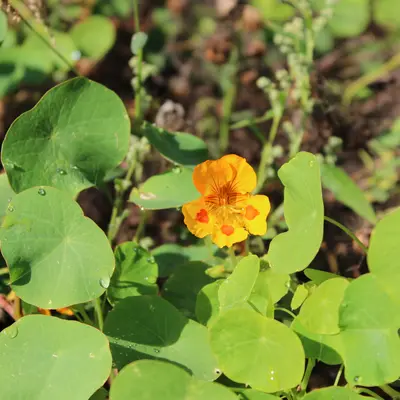
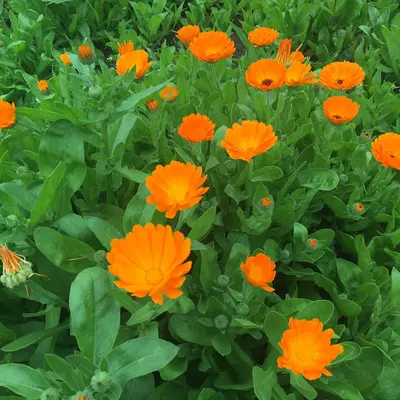
Season extension becomes critical when you're working with just 120 growing days. Use row covers, cold frames, or even overturned milk jugs to protect transplants from unexpected late frosts and to squeeze extra weeks from your fall display. Plant hardy perennials like Peony Sarah Bernhardt and Iris Bearded Immortality in late spring for establishment, knowing they'll reward your patience with years of reliable blooms. For immediate impact, focus your annual budget on fast-establishing varieties like Marigold French Bonita Mix and Nasturtium Alaska Mix that bloom within 45-50 days of planting.