Best Peppers to Grow in Northwest Territories
Northwest Territories spans USDA Zones 1–2, typically Zone 3. We've broken out 73 pepper varieties by zone — pick your zone below or find the right varieties for your specific part of the state.
Varieties
73
for Northwest Territories
USDA
Zones 1–2
55–85 days season
Beginner
41
easy to grow
Heirloom
35
heritage varieties
Northwest Territories in USDA Zones 1–2
Northwest Territories spans Zones 1–2. Variety lists below are organized by zone — start with your zone for the most accurate recommendations.
Growing Peppers in Northwest Territories
Zone 3 presents unique challenges for pepper lovers, but don't let the harsh winters fool you—this climate zone can produce exceptional pepper harvests with the right approach. The key limitation is your compressed growing season of roughly 120 days between the average last frost on May 15th and first frost around September 15th. This means heat-loving peppers need to work fast, making early-maturing varieties and season extension techniques absolutely critical for success.
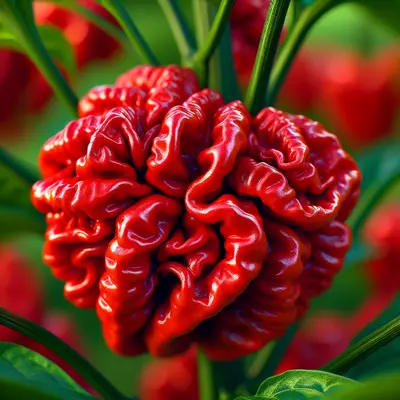
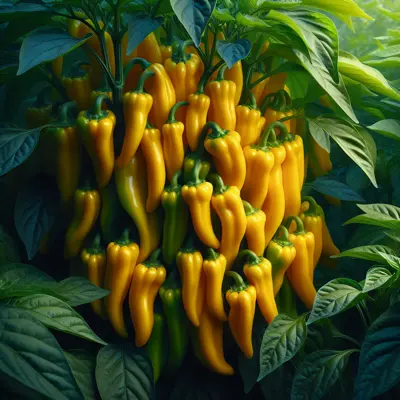
When selecting peppers for Zone 3, prioritize varieties with shorter days to maturity (under 75 days is ideal), strong cold tolerance for those inevitable cool nights, and compact growth habits that respond well to protection. Early-producing varieties like 'Early Jalapeño' and 'Sweet Banana' peppers will reward you with harvests while the superhots like 'Carolina Reaper' become a thrilling challenge that requires serious season extension. The varieties listed here have proven themselves in short-season climates, offering everything from mild sweet peppers perfect for stuffing to fiery options that'll bring serious heat to your kitchen.
Zone 2 Peppers for Northwest Territories
73 varieties · Last frost June 1 · 85-day season
Zone 1 Peppers for Northwest Territories
73 varieties · Last frost June 15 · 55-day season
Zone 3 Growing Tips for Northwest Territories
Start your pepper seeds indoors 8-10 weeks before your last frost date—that means getting seeds started in mid to late March for most Zone 3 areas. Peppers are notoriously slow germinators and need warm soil (75-80°F) to sprout reliably, so invest in a heat mat or place seed trays on top of your refrigerator. Transplant seedlings outdoors only after soil temperatures consistently reach 60°F, typically 1-2 weeks after your last frost date in late May or early June. Even then, use row covers, Wall O' Water plant protectors, or cold frames for the first few weeks to buffer against unexpected cold snaps.
Season extension becomes your secret weapon in Zone 3. Choose the warmest, most protected spots in your garden—south-facing areas near buildings or fences that absorb and radiate heat work wonderfully. Black plastic mulch helps warm the soil faster in spring and retains heat through summer. As September approaches, be ready with row covers or even small hoop tunnels to capture those extra few weeks of growing time that can make the difference between green tomatoes and a final pepper harvest. Many Zone 3 gardeners successfully grow peppers in large containers that can be moved to protected areas during cold spells.