Best Beans & Legumes to Grow in Northwest Territories
Northwest Territories spans USDA Zones 1–2, typically Zone 3. We've broken out 84 bean varieties by zone — pick your zone below or find the right varieties for your specific part of the state.
Varieties
84
for Northwest Territories
USDA
Zones 1–2
55–85 days season
Beginner
60
easy to grow
Heirloom
61
heritage varieties
Northwest Territories in USDA Zones 1–2
Northwest Territories spans Zones 1–2. Variety lists below are organized by zone — start with your zone for the most accurate recommendations.
Growing Beans & Legumes in Northwest Territories
Zone 3's short growing season and late spring frosts might seem challenging for bean cultivation, but these conditions actually favor quick-maturing, cold-tolerant varieties that produce exceptional harvests. The key advantage of gardening in Zone 3 is the long summer days and consistent moisture, which beans absolutely love once the soil warms up. However, the compressed 120-day season means you can't afford to plant heat-loving varieties that need 90+ days to mature, making variety selection absolutely critical.
When choosing beans for Zone 3, prioritize varieties with maturity dates of 50-70 days and good cold tolerance at both ends of the season. Bush varieties often outperform pole beans here because they concentrate their energy into faster production rather than extended vine growth. Look for varieties specifically bred for northern climates or heirloom types that originated in cooler regions – these genetics have been selected over generations to handle temperature swings and shorter seasons that Zone 3 throws at gardeners.
Zone 2 Beans & Legumes for Northwest Territories
84 varieties · Last frost June 1 · 85-day season
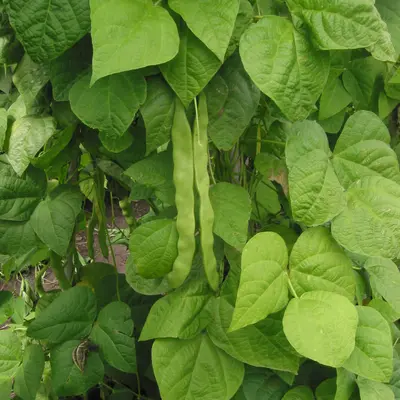
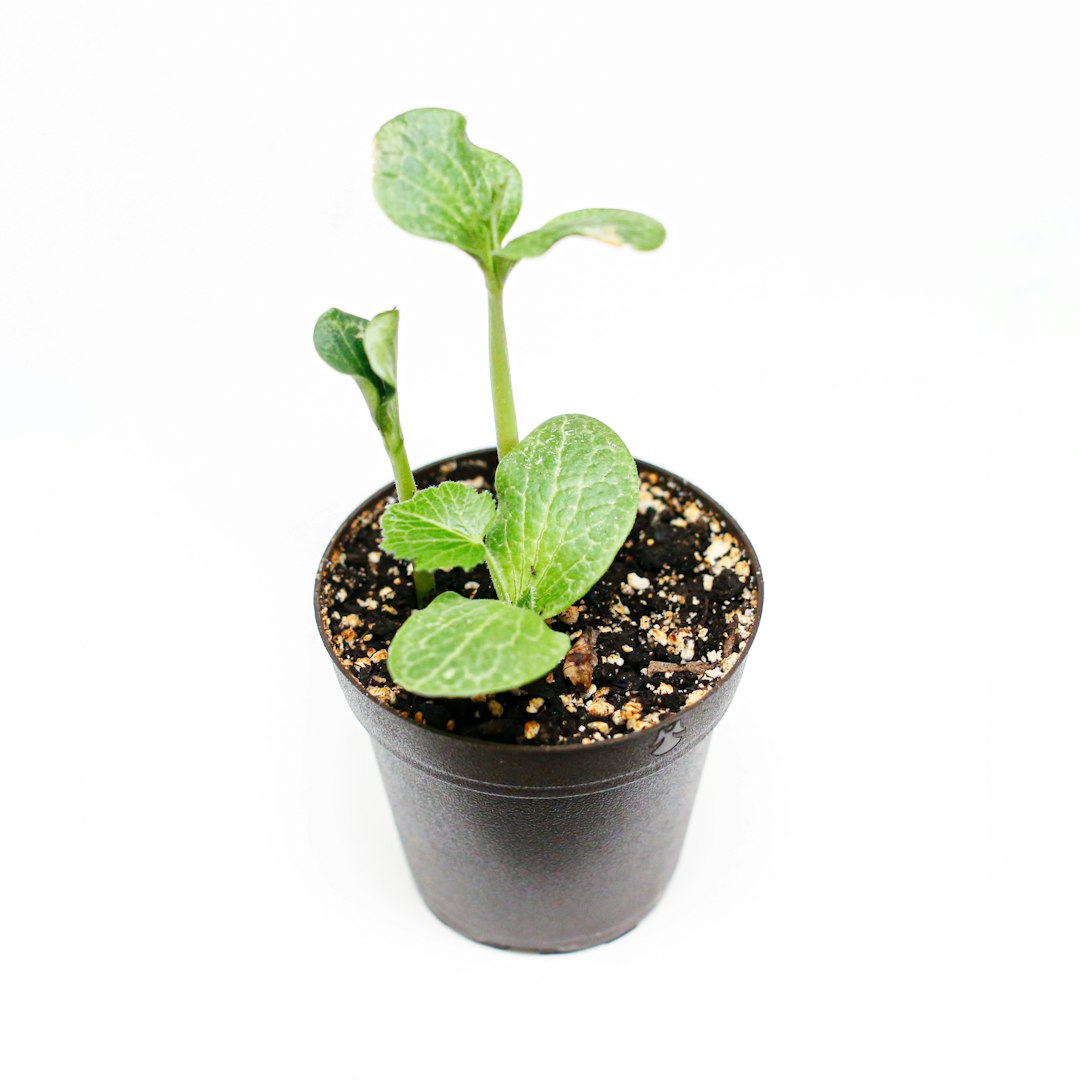
Zone 1 Beans & Legumes for Northwest Territories
84 varieties · Last frost June 15 · 55-day season
Zone 3 Growing Tips for Northwest Territories
Never rush bean planting in Zone 3, even if you're itching to get started after a long winter. Beans are incredibly sensitive to cold soil and will rot rather than germinate if planted too early. Wait until soil temperature consistently reaches 60°F, usually 1-2 weeks after your May 15th average last frost date. I always do a soil thermometer check at 2-inch depth for three consecutive mornings before planting. For insurance, start a few plants indoors 2-3 weeks before transplant date, but use biodegradable pots since beans hate root disturbance.
To maximize your short season, consider succession planting bush varieties every 2 weeks until mid-July, focusing on the fastest maturing types for later plantings. Row covers or cloches can extend both ends of the season – use them to warm soil earlier in spring and protect plants from those surprise late August cold snaps. In Zone 3, your biggest challenges will be late spring cold snaps that can kill young plants and early fall frosts that catch pods before they're ready, so always have protection ready and choose the right varieties for your planting window.