Tavera
Phaseolus vulgaris
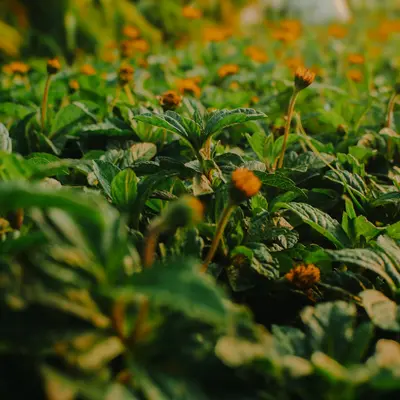
Sets the standard for uniformity and eating quality in a filet bean. "Extra-fine" grade beans are short, 4-5" long with medium-dark green, round pods. Medium-size plants. White seeds. Bush bean.
Harvest
54d
Days to harvest
Sun
Full sun
Zones
2–11
USDA hardiness
Height
12-18 inches
Planting Timeline
Showing dates for Tavera in USDA Zone 7
All Zone 7 bean →Zone Map
Click a state to update dates
Tavera · Zones 2–11
Growing Details
Succession Planting
Tavera comes in at 54 days, which makes 2–3 plantings across the warm season genuinely achievable. In zone 7, direct sow your first round around April 1, then follow up every 14–18 days through late June — staggered harvests will run from late June into August. The UGA Vegetable Garden Calendar specifically recommends a third planting of snap beans in May, which fits that cadence well.
Stop sowing once daytime highs are consistently above 90°F; bean flowers drop at those temps and pods set poorly or not at all. A fall run is worth attempting — sow around August 1 in zone 7 to catch the cooling stretch before first frost, which typically arrives mid to late October.
Complete Growing Guide
Tavera beans thrive best when direct sown into warm soil after all danger of frost has passed. Unlike some varieties, these bush beans don't benefit from early indoor starting and prefer to establish roots directly in the garden. Wait until soil temperatures reach at least 60°F, ideally 70°F or warmer, which typically falls two to three weeks after your region's last spring frost date. Plant seeds one inch deep, spacing them two to three inches apart in rows that are eighteen inches apart. Tavera's medium-size plant habit means you can plant slightly closer than larger bush varieties without creating excessive shade or moisture problems.
Prepare your soil before planting by working in well-aged compost or aged manure to improve both structure and fertility. While beans are nitrogen-fixers and don't require heavy feeding, Tavera performs best in soil with good organic matter content and balanced phosphorus and potassium levels. Aim for a pH between 6.0 and 7.0. If your soil lacks organic content, incorporate two to three inches of compost before sowing.
Water consistently throughout the growing season, providing about one inch per week through rainfall or irrigation. Tavera's fine filet pods require steady moisture to develop their signature tender, slender character—inconsistent watering can result in tough or misshapen beans. Water at the soil level early in the morning to keep foliage dry and reduce disease pressure. Once plants are established and flowering, maintain this steady moisture regimen without allowing the soil to waterlog.
Feeding is minimal for this variety. A light application of balanced organic fertilizer or fish emulsion when plants begin flowering supports pod development, but avoid excessive nitrogen, which promotes leafy growth at the expense of beans. Side-dress with compost if your soil is particularly poor.
Watch for spider mites and bean beetles specific to Phaseolus vulgaris—Tavera's tender, fine pods are attractive to spider mites in hot, dry conditions, making consistent watering your best preventive measure. Japanese beetles can also target the foliage. Hand-pick larger pests early in the season, and consider organic insecticidal soap for spider mite outbreaks. Common bean mosaic virus occasionally affects bush bean varieties; control aphids promptly and remove infected plants immediately.
Succession planting works exceptionally well with Tavera's fifty-four-day harvest window. Plant new seeds every two to three weeks until eight weeks before your first expected fall frost, ensuring continuous harvests of peak-quality filet beans.
The critical mistake most gardeners make with Tavera is harvesting too late. These beans reach their prized "extra-fine" four to five-inch stage quickly, and waiting even a few days past peak maturity results in tougher, stringier beans that lose the smooth texture Tavera is bred to deliver. Check plants every two to three days once flowering begins.
Harvesting
Tavera reaches harvest at 54 days from sowing per Johnny's Selected Seeds. Expect 4-5" at peak. As an annual, harvest continues until frost ends the season.
The boat-shaped seed pods are bilaterally symmetrical and can be green, yellow, white, or purple at maturity. There is a wide variety of color and shape choices among cultivars.
Color: Gold/Yellow, Green, Purple/Lavender, White. Type: Legume. Length: > 3 inches. Width: < 1 inch.
Garden value: Edible, Good Dried
Harvest time: Fall, Summer
Storage & Preservation
Freshly harvested Tavera beans keep best in a perforated plastic bag in the refrigerator crisper drawer at 40–45°F with 85–90% humidity, where they'll stay crisp for 5–7 days. For longer storage, freeze them by blanching for 3 minutes, cooling in ice water, draining thoroughly, and packing in freezer bags or containers—they'll maintain quality for up to 8 months. Drying is also excellent for this variety; allow pods to mature fully on the plant, then shell and air-dry in a warm, ventilated space until beans snap cleanly, storing in airtight containers in a cool location. Canning as whole pods in a pressure canner (10 pounds pressure, 30 minutes for quarts) works well if you prefer shelf-stable preserved beans. Tavera's relatively quick maturity means you can succession-plant for continuous harvests, making it ideal for preserving in batches throughout the season.
History & Origin
Tavera is open-pollinated, meaning seed saved from healthy plants will produce true-to-type offspring. Listed in the Johnny's Selected Seeds catalog.
Origin: Tropical America
Advantages
- +Exceptional uniformity makes Tavera ideal for commercial filet bean production
- +Extra-fine 4-5 inch pods set the eating quality standard for filet beans
- +Fast 54-day maturity allows multiple succession plantings in one season
- +Medium-size plants maximize yield in limited garden space efficiently
Considerations
- -Short pod length limits yield per plant compared to standard bean varieties
- -Fine pod texture requires consistent moisture to prevent cracking and splitting
- -Bush growth habit demands regular picking to maintain tender filet-stage beans
Companion Plants
Summer savory is worth prioritizing here — it's long been planted alongside beans as a deterrent to Mexican bean beetles, and at 4–6 inch bean spacing it won't crowd anything out. Marigolds (Tagetes spp.) add some aphid confusion and a bit of trap-crop pressure for spider mites without competing for root space. Corn fits naturally: beans fix nitrogen at the root level while corn draws it up, and in our zone 7 Georgia gardens you can direct sow both in late April and have them running together by June. Onions and garlic need to stay out of the bean bed entirely — alliums are allelopathic to Phaseolus vulgaris and will stunt germination and early growth noticeably, even at close proximity.
Plant Together
Marigold
Repels bean beetles, aphids, and nematodes while attracting beneficial insects
Basil
Deters aphids and spider mites, may improve bean flavor and growth
Corn
Provides natural trellis support for climbing beans in Three Sisters planting
Carrots
Beans fix nitrogen which carrots need, carrots don't compete for space
Cucumber
Similar water and nutrient needs, beans provide nitrogen for cucumbers
Nasturtium
Acts as trap crop for aphids and cucumber beetles, repels bean beetles
Summer Savory
Improves bean flavor and growth, repels bean weevils and aphids
Catnip
Strongly repels bean weevils and other bean pests
Keep Apart
Onion
Inhibits bean growth and nitrogen fixation through root secretions
Garlic
Stunts bean growth and interferes with beneficial rhizobia bacteria
Fennel
Allelopathic compounds inhibit bean germination and growth
Sunflower
Competes heavily for nutrients and water, may release growth inhibitors
Nutrition Facts
Per 100g serving. % Daily Value based on 2,000 calorie diet. Source: USDA FoodData Central (FDC #2346400)
Pests & Disease Resistance
Resistance
Anthracnose (High); One or more races of Bean Mosaic Virus (High)
Common Pests
Bean beetles, spider mites, aphids
Diseases
Bean rust, anthracnose, bacterial blights
Troubleshooting Tavera
What you'll see, why it happens, and what to do about it.
Leaves with chunks missing, turning brown, some plants looking generally wrecked around weeks 6–8
Likely Causes
- Mexican bean beetle (Epilachna varivestis) — adults and larvae both skeletonize leaves from the underside
- Bean leaf beetle (Cerotoma trifurcata) — chews irregular holes straight through the leaf
What to Do
- 1.Check leaf undersides for yellow egg clusters or soft spiny larvae and crush them by hand or knock into soapy water
- 2.Spray spinosad if pressure is heavy — it's effective on both species and approved for organic use
- 3.Per the UGA Pest Management calendar, scout every few days in May and June when these beetles are most active; early discovery makes early control possible
Rusty orange or brick-red powdery pustules on the undersides of leaves, often appearing mid-season
Likely Causes
- Bean rust (Uromyces appendiculatus) — a fungal pathogen that spreads by wind and splashing water, especially during humid stretches
What to Do
- 1.Remove and trash (don't compost) heavily infected leaves as soon as you spot them
- 2.Switch to drip or soaker-hose irrigation to keep foliage dry — overhead watering moves rust spores from plant to plant
- 3.If rust has hit this bed multiple years running, rotate beans out for at least 2 seasons; NC State Extension notes that moving legumes also rebuilds soil nitrogen through nitrogen-fixing bacteria in the roots, so nothing is wasted by relocating them
Dark, water-soaked spots on pods and leaves that turn into sunken tan lesions with reddish-brown borders
Likely Causes
- Anthracnose (Colletotrichum lindemuthianum) — seed-borne and soil-borne fungus, most damaging in cool, wet weather
- Planting beans in the same bed for 5+ consecutive years, which lets the pathogen build up in the soil
What to Do
- 1.Start with certified disease-free seed — anthracnose rides in on infected seed more often than it blows in from elsewhere
- 2.Pull and trash affected plants; don't leave crop debris in the bed over winter
- 3.Rotate out of beans and other legumes for at least 2 years; NC State Extension's crop rotation guidance calls this out specifically as a way to break disease cycles
Frequently Asked Questions
How long does Tavera bean take to mature?▼
Is Tavera bean good for beginners?▼
Can you grow Tavera beans in containers?▼
What does Tavera bean taste like?▼
When should I plant Tavera beans?▼
Zone-by-Zone Planting Calendar
| Zone | Indoor Start | Transplant | Direct Sow | Harvest |
|---|---|---|---|---|
| Zone 1 | — | — | July – August | September – August |
| Zone 2 | — | — | June – August | September – September |
| Zone 11 | — | — | January – March | April – May |
| Zone 12 | — | — | January – March | April – May |
| Zone 13 | — | — | January – March | April – May |
| Zone 3 | — | — | June – July | August – October |
| Zone 4 | — | — | June – July | August – October |
| Zone 5 | — | — | May – June | August – September |
| Zone 6 | — | — | May – June | July – September |
| Zone 7 | — | — | April – June | July – August |
| Zone 8 | — | — | April – May | June – August |
| Zone 9 | — | — | March – April | May – July |
| Zone 10 | — | — | February – April | May – June |
Growing Guides from Wind River Greens
Sources & References
External authority sources used in compiling this guide.
- BreederJohnny's Selected Seeds
- USDAUSDA FoodData Central
See the Methodology page for how this data is sourced, what's AI-assisted, and known limitations.