Fortex
Phaseolus vulgaris
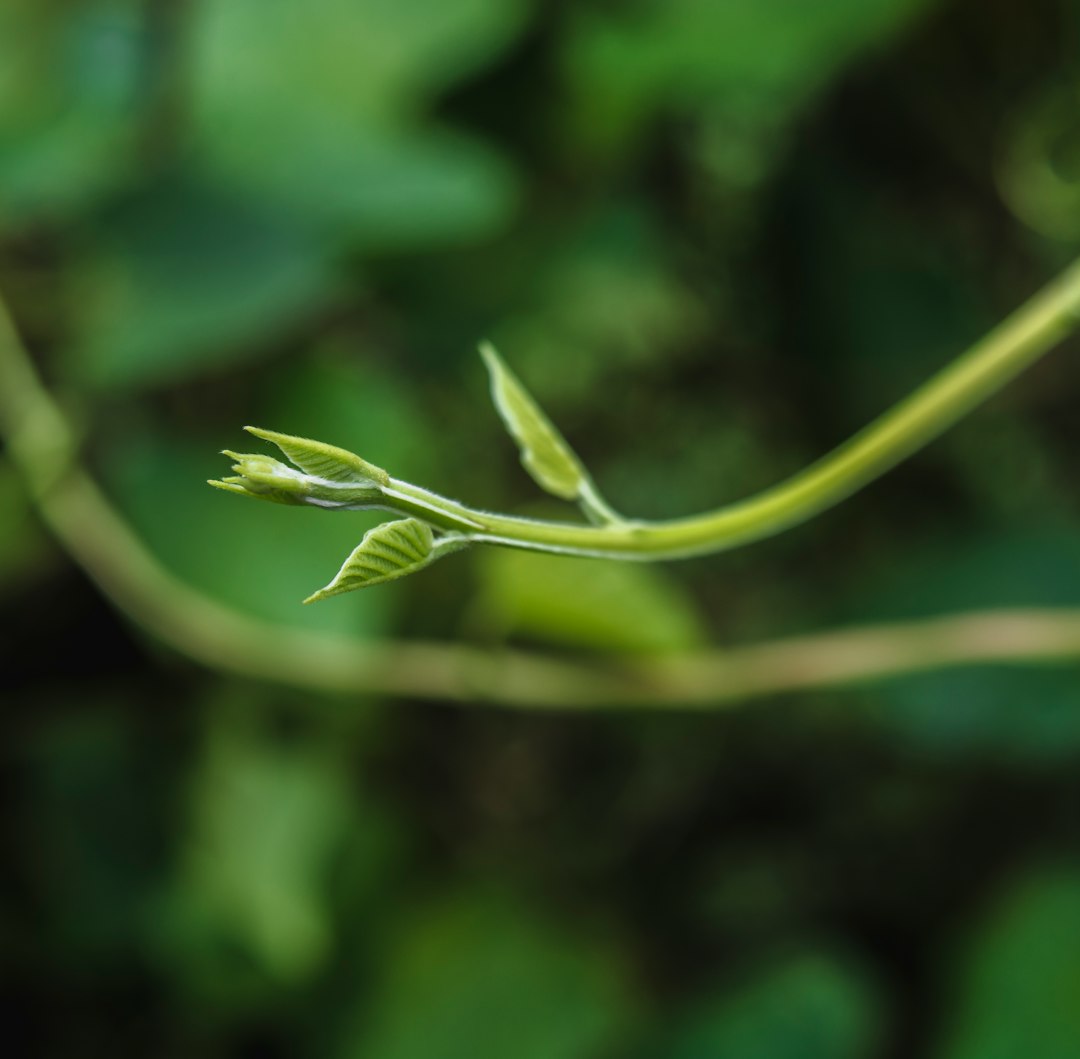
Growing to over 11", Fortex produces extra-long round pods. Early and very productive, the beans may be picked at 7" in length for extra-slender "filet" beans. Green firm-textured pods are completely stringless and delicious at all lengths, even after the seeds enlarge. Walnut brown seeds. Pole bean; requires trellising.
Harvest
60d
Days to harvest
Sun
Full sun
Zones
2–11
USDA hardiness
Height
6-8 feet
Planting Timeline
Showing dates for Fortex in USDA Zone 7
All Zone 7 bean →Zone Map
Click a state to update dates
Fortex · Zones 2–11
Growing Details
Succession Planting
Fortex keeps producing as long as you pick consistently — skipping a harvest lets pods go to seed and the plant slows down fast. That said, the vines do stall out in prolonged heat, so staggered sowings give you a more even supply. Direct sow every 3 weeks from your last frost date through about 10–12 weeks before your first fall frost. In zone 7, that runs from roughly April 1 through late June, which lines up with the UGA garden calendar's recommendation to make a third snap bean sowing in May.
Stop sowing once daytime highs are reliably above 90°F — bean flowers drop without setting pods at that temperature, and germination gets patchy too. For a fall run, count back 60 days (Fortex's days to harvest) from your first expected frost and sow then, making sure soil temps are at least 60°F or germination will drag well past the 14-day mark.
Complete Growing Guide
Fortex beans thrive best when direct sown into warm soil after all danger of frost has passed. Unlike some varieties, these pole beans resent being transplanted, so skip the indoor sowing step and plant seeds directly into the garden when soil temperatures reach at least 60°F, ideally around 70°F. In most regions, this means waiting one to two weeks after your last spring frost date. Fortex will reach harvestable size in approximately 60 days, making it possible to plant in succession every two weeks until mid-summer if you want continuous production.
Prepare your planting area by working compost or aged manure into the top six inches of soil to improve drainage and nutrient content. Fortex performs well in slightly acidic to neutral soil with a pH between 6.0 and 7.0. Sow seeds one inch deep and about four inches apart along your trellis or support structure. Space rows two feet apart to allow adequate air circulation, which reduces disease pressure. This variety's vigorous growth habit and heavy bean set mean it genuinely needs sturdy support—a six to eight-foot trellis is essential, as plants frequently exceed eleven inches in pod length when well-supported.
Water consistently throughout the growing season, providing approximately one inch per week through rainfall or irrigation. Fortex is less drought-tolerant than some bush varieties, so mulching around plants with two inches of organic material helps retain soil moisture and keeps roots cooler during hot spells. Feed plants when they begin flowering with a balanced fertilizer or one slightly higher in potassium to encourage pod production rather than excessive vine growth.
Fortex's stringless pods and excellent texture mean spider mites occasionally target this variety more aggressively than other pole beans. Monitor the undersides of leaves regularly and spray with water or neem oil at the first sign of fine webbing. Because the pods remain tender and productive even as seeds enlarge inside, bean beetles may overlook young Fortex plants in favor of other varieties, though always check the undersides of leaves for yellow egg clusters.
The most critical mistake gardeners make with Fortex is inadequate trellising. These beans produce abundantly and the extra-long pods grow heavy; weak supports collapse under the weight, damaging vines and complicating harvesting. Invest in sturdy materials and tie main vines loosely to the support structure as they grow. Begin harvesting at seven inches for premium filet beans or wait until pods reach full length—unlike some varieties, Fortex maintains its delicious texture and stringless quality at all stages. Regular picking encourages continued flowering, extending your harvest window well into autumn.
Harvesting
Fortex reaches harvest at 60 days from sowing per Johnny's Selected Seeds. Expect 11" at peak. As an annual, harvest continues until frost ends the season.
The boat-shaped seed pods are bilaterally symmetrical and can be green, yellow, white, or purple at maturity. There is a wide variety of color and shape choices among cultivars.
Color: Gold/Yellow, Green, Purple/Lavender, White. Type: Legume. Length: > 3 inches. Width: < 1 inch.
Garden value: Edible, Good Dried
Harvest time: Fall, Summer
Storage & Preservation
Fortex beans keep best at 45–50°F with 85–90% humidity in breathable containers; avoid plastic bags, which trap moisture and encourage rot. Fresh pods maintain quality for 5–7 days under these conditions. For longer storage, freezing is ideal—blanch pods for 3 minutes, cool in ice water, drain thoroughly, and pack into freezers bags. They'll hold for 8–12 months. Canning requires a pressure canner due to low acidity; follow tested recipes carefully. Drying is also viable: mature pods can be left on the plant until papery, then shelled and stored in airtight containers in a cool location. Fortex's long, slender pods freeze exceptionally well without becoming stringy, making them superior to many bush varieties for this purpose.
History & Origin
Fortex is open-pollinated, meaning seed saved from healthy plants will produce true-to-type offspring. Listed in the Johnny's Selected Seeds catalog.
Origin: Tropical America
Advantages
- +Produces extra-long pods over 11 inches with excellent productivity
- +Stringless pods remain tender and delicious even when seeds enlarge
- +Can harvest early at 7 inches for premium filet-style beans
- +Early maturity at 60 days fits most growing seasons well
- +Versatile harvest window allows picking at multiple pod sizes
Considerations
- -Requires trellising infrastructure which adds setup time and cost
- -Pole bean growth habit demands vertical space management throughout season
- -Walnut-colored seeds may be less visually appealing than white varieties
Companion Plants
Corn and squash are the most practical companions for a pole bean like Fortex. Corn gives the vines something to climb if you're short on trellis space, and squash sprawls underneath to shade out weeds that would otherwise compete for moisture — a real benefit once Fortex hits 6–8 feet and you're less inclined to get in there and cultivate. Marigolds (French types, Tagetes patula) and nasturtiums pull aphid pressure away from bean foliage and bring in predatory wasps that cut back caterpillar populations. Carrots and radishes stay shallow enough to avoid crowding bean roots, and a radish sown between rows gives you something to harvest in 30 days while the beans are still climbing.
Keep onions and other alliums out of the same bed. They're thought to inhibit bean germination and early growth — not a dramatic effect in every situation, but there's no reason to introduce the risk. Fennel is allelopathic to most vegetables and has no business in a mixed kitchen garden bed; it does better in a container on its own or well away from everything else.
Plant Together
Marigold
Repels Mexican bean beetles, aphids, and nematodes while attracting beneficial insects
Nasturtium
Acts as trap crop for aphids and cucumber beetles, repels bean beetles
Carrots
Loosens soil for bean roots and doesn't compete for nutrients
Corn
Provides natural trellis support for climbing beans in three sisters planting
Squash
Ground cover reduces weeds and retains moisture, completes three sisters guild
Rosemary
Repels Mexican bean beetles and carrot flies with strong aromatic compounds
Cucumber
Compatible growth habits and helps deter bean beetles through companion diversity
Radishes
Quick-growing, breaks up soil, and deters cucumber beetles
Keep Apart
Onions
Inhibits bean growth and nitrogen fixation through allelopathic root compounds
Fennel
Allelopathic properties inhibit growth and development of most garden plants
Sunflowers
Competes heavily for nutrients and water, may release growth-inhibiting chemicals
Nutrition Facts
Per 100g serving. % Daily Value based on 2,000 calorie diet. Source: USDA FoodData Central (FDC #2346400)
Pests & Disease Resistance
Common Pests
Bean beetles, aphids, spider mites
Diseases
Bean mosaic virus, anthracnose, rust
Troubleshooting Fortex
What you'll see, why it happens, and what to do about it.
Leaves with chunks missing, ragged edges, or skeletonized patches — appearing around week 5–7 of growth
Likely Causes
- Mexican bean beetle (Epilachna varivestis) — larvae and adults chew leaf tissue from the underside, leaving a lacy appearance
- Bean leaf beetle (Cerotoma trifurcata) — punches clean round holes through leaves
What to Do
- 1.Flip leaves and check undersides for yellow egg clusters or orange, spiny larvae; crush them by hand — early discovery makes early control possible, per the UGA Pest Management calendar
- 2.Spray with spinosad or neem oil at first sign of feeding; coat leaf undersides thoroughly
- 3.If more than half your plants are showing damage, NC State Extension's diagnostic framework puts that at threshold for full crop loss — act the same day rather than waiting another monitoring cycle
Dark, sunken lesions on pods; brown spots with reddish-brown borders on leaves; symptoms spreading plant to plant
Likely Causes
- Anthracnose (Colletotrichum lindemuthianum) — a fungal disease that persists in infected seed and in crop debris left in the soil
- Planting beans in the same bed for multiple consecutive years, which lets pathogen load accumulate — NC State Extension flags beans grown in the same spot for 5 years running as a high-risk scenario
What to Do
- 1.Pull and trash (not compost) all infected plant material immediately
- 2.Rotate beans out of that bed for at least 2 seasons; NC State's organic gardening guidance specifically calls out legume rotation as a disease-cycle breaker
- 3.Start next season with certified disease-free seed — Fortex is an heirloom, so seed-saving is common practice, but anthracnose travels on saved seed
Frequently Asked Questions
How long do Fortex beans grow?▼
Is Fortex bean good for beginners?▼
Can you grow Fortex beans in containers?▼
What does Fortex bean taste like?▼
When should I plant Fortex beans?▼
How productive is Fortex compared to other bean varieties?▼
Zone-by-Zone Planting Calendar
| Zone | Indoor Start | Transplant | Direct Sow | Harvest |
|---|---|---|---|---|
| Zone 1 | — | — | July – August | October – August |
| Zone 2 | — | — | June – August | September – September |
| Zone 11 | — | — | January – March | April – June |
| Zone 12 | — | — | January – March | April – June |
| Zone 13 | — | — | January – March | April – June |
| Zone 3 | — | — | June – July | September – October |
| Zone 4 | — | — | June – July | August – October |
| Zone 5 | — | — | May – June | August – September |
| Zone 6 | — | — | May – June | August – September |
| Zone 7 | — | — | April – June | July – September |
| Zone 8 | — | — | April – May | July – August |
| Zone 9 | — | — | March – April | June – July |
| Zone 10 | — | — | February – April | May – July |
Growing Guides from Wind River Greens
Sources & References
External authority sources used in compiling this guide.
- BreederJohnny's Selected Seeds
- USDAUSDA FoodData Central
See the Methodology page for how this data is sourced, what's AI-assisted, and known limitations.