Best Eggplants to Grow in New Hampshire
New Hampshire spans USDA Zones 3–6, typically Zone 5. We've broken out 29 eggplant varieties by zone — pick your zone below or find the right varieties for your specific part of the state.
Varieties
29
for New Hampshire
USDA
Zones 3–6
120–180 days season
Beginner
12
easy to grow
Heirloom
15
heritage varieties
New Hampshire in USDA Zones 3–6
New Hampshire spans Zones 3–6. Variety lists below are organized by zone — start with your zone for the most accurate recommendations.
Growing Eggplants in New Hampshire
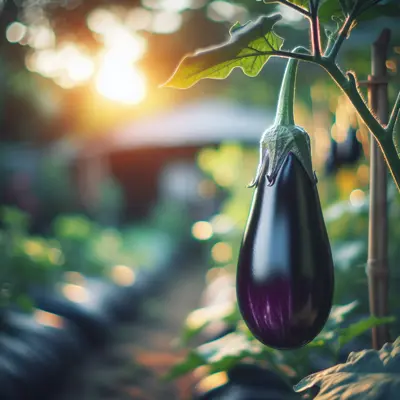
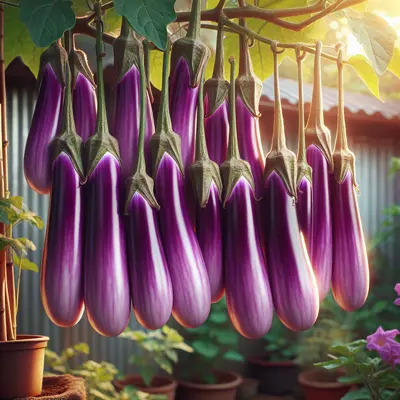
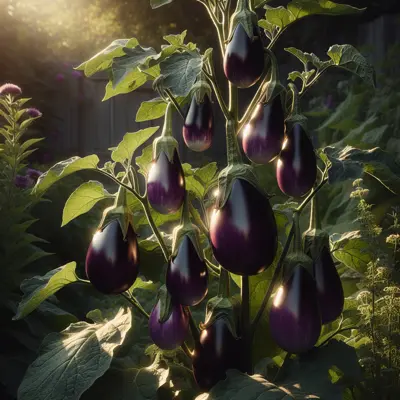
Zone 5 gardeners face unique challenges when growing eggplant, but with careful variety selection and timing, you can enjoy abundant harvests of this heat-loving crop. The key challenge is our relatively short growing season and cool spring temperatures—eggplants are tropical natives that demand warm soil and air temperatures to thrive. However, Zone 5's long summer days and warm August-September weather create ideal conditions once plants are established.
When selecting eggplant varieties for Zone 5, prioritize those with shorter days to maturity (under 80 days), good cool weather tolerance, and compact growth habits that warm up faster in containers or raised beds. Japanese and Asian varieties often outperform traditional Italian types in our climate because they're bred for efficiency and earlier production. The varieties listed here have all proven successful in Zone 5 conditions, offering everything from classic large fruits to specialty colors and compact plants perfect for shorter seasons.
Success with eggplant in Zone 5 comes down to maximizing heat accumulation and extending the season at both ends. These recommended varieties combine reliability with diverse flavors, colors, and sizes—giving you options whether you're growing in a small urban garden or have space for larger plantings.
Zone 5 Eggplants for New Hampshire★ Most of NH
29 varieties · Last frost April 30 · 155-day season



Zone 4 Eggplants for New Hampshire
29 varieties · Last frost May 10 · 135-day season
Zone 6 Eggplants for New Hampshire
29 varieties · Last frost April 15 · 180-day season
Zone 3 Eggplants for New Hampshire
29 varieties · Last frost May 15 · 120-day season
Zone 5 Growing Tips for New Hampshire
Start eggplant seeds indoors 8-10 weeks before your last frost date, which means beginning seeds in late February or early March in Zone 5. Eggplant seedlings grow slowly in cool conditions, so maintain soil temperatures between 75-85°F for germination and keep them under lights. Don't rush transplanting—wait until soil temperatures consistently reach 60°F and nighttime air temperatures stay above 50°F, typically 2-3 weeks after the average last frost date in mid to late May.
Before transplanting, harden off seedlings gradually and consider using season extension tools like row covers, Wall O' Water protectors, or black plastic mulch to warm the soil faster. In Zone 5, eggplants perform best in raised beds or containers where soil warms more quickly than ground level. Choose the sunniest, most protected location in your garden, preferably against a south-facing wall or fence that radiates heat.
The biggest challenge in Zone 5 is getting enough heat units early enough for good fruit set. If late spring stays cool, use cloches or mini hoop tunnels over young plants. Come September, be prepared to harvest green fruits before the first frost and let them ripen indoors, or use row covers to extend harvest into October during mild years.