Best Lettuce & Salad Greens to Grow in Kansas
Kansas spans USDA Zones 5–7, typically Zone 6. We've broken out 110 lettuce varieties by zone — pick your zone below or find the right varieties for your specific part of the state.
Varieties
110
for Kansas
USDA
Zones 5–7
155–210 days season
Beginner
85
easy to grow
Heirloom
67
heritage varieties
Kansas in USDA Zones 5–7
Kansas spans Zones 5–7. Variety lists below are organized by zone — start with your zone for the most accurate recommendations.
Growing Lettuce & Salad Greens in Kansas
Zone 6 offers lettuce growers a sweet spot - enough growing season to get multiple harvests, but cool enough springs and falls to keep lettuce happy longer than hotter zones. Your 180-day growing season, stretching from mid-April to mid-October, gives you excellent opportunities for both spring and fall crops, plus the possibility of succession planting throughout summer if you choose heat-tolerant varieties and provide afternoon shade.
The key challenge in Zone 6 is managing the temperature swings. Late spring can still surprise you with unexpected cold snaps, while summer heat arrives fast and can bolt your cool-season crops before you're ready. This makes variety selection crucial - you'll want bolt-resistant types for summer growing and cold-hardy varieties for season extension. The varieties I've selected below have proven themselves reliable performers in Zone 6's variable conditions, offering everything from quick-growing loose-leaf types to substantial heads that can handle light frosts.
Zone 6 Lettuce & Salad Greens for Kansas★ Most of KS
110 varieties · Last frost April 15 · 180-day season
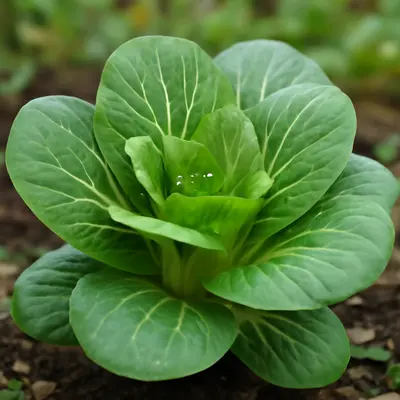
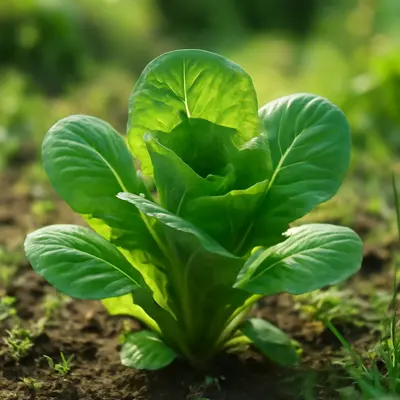

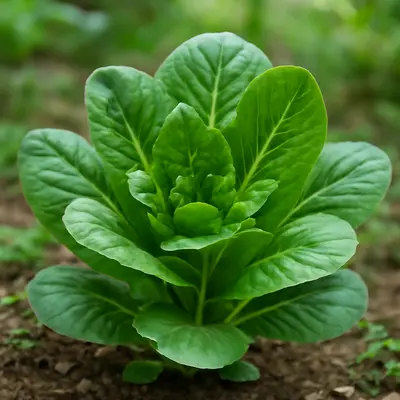

Zone 5 Lettuce & Salad Greens for Kansas
110 varieties · Last frost April 30 · 155-day season
Zone 7 Lettuce & Salad Greens for Kansas
110 varieties · Last frost April 1 · 210-day season
Zone 6 Growing Tips for Kansas
Start your first lettuce seeds indoors 4-6 weeks before your last frost date (so early to mid-March for Zone 6), then transplant seedlings outside 2-3 weeks before the last frost. Lettuce can handle light frost, so don't baby it too much - those April transplants will actually develop better flavor with some cool nights. For direct seeding, wait until soil can be worked in early April, but know that germination will be slow in cold soil.
Succession planting is your secret weapon in Zone 6. Sow new seeds every 2-3 weeks through May, then take a break during peak summer heat (July-early August) unless you can provide consistent shade and water. Resume planting in late August for fall crops - these often outperform spring lettuce because they mature in cooling rather than warming weather. Your fall lettuce can often survive until Thanksgiving or beyond with simple protection like row covers or cold frames.
Summer growing requires strategy: choose bolt-resistant varieties, provide afternoon shade (30-50% shade cloth works well), and keep soil consistently moist but not soggy. Morning sun with afternoon protection creates ideal conditions when temperatures climb above 75°F consistently.