Best Peppers to Grow in Idaho
Idaho spans USDA Zones 3–7, typically Zone 5. We've broken out 73 pepper varieties by zone — pick your zone below or find the right varieties for your specific part of the state.
Varieties
73
for Idaho
USDA
Zones 3–7
120–210 days season
Beginner
41
easy to grow
Heirloom
35
heritage varieties
Idaho in USDA Zones 3–7
Idaho spans Zones 3–7. Variety lists below are organized by zone — start with your zone for the most accurate recommendations.
Growing Peppers in Idaho
Zone 5 presents both opportunities and challenges for pepper enthusiasts. With an average growing season of 155 days between your last frost around April 30th and first frost around October 5th, you have enough time to grow most pepper varieties successfully – but timing and variety selection become crucial. The key challenge is that peppers are heat-loving plants that need warm soil and consistent temperatures, and Zone 5's shorter season means less margin for error than warmer zones.
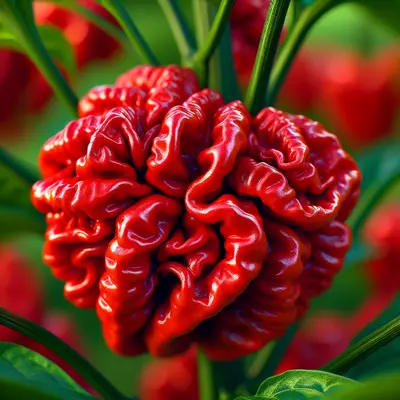
When selecting peppers for Zone 5, prioritize varieties with shorter days to maturity (under 90 days is ideal) and those bred for cooler climates. Early-maturing varieties like 'Early Jalapeño' and 'Sweet Banana' peppers are your best friends, while longer-season varieties like 'Ghost Pepper' and 'Carolina Reaper' will need extra attention and season extension techniques. The beauty of Zone 5 is that once summer heat arrives, peppers absolutely thrive – you just need to give them the right head start and choose varieties that can make the most of your growing window.
Zone 5 Peppers for Idaho★ Most of ID
73 varieties · Last frost April 30 · 155-day season
Zone 4 Peppers for Idaho
73 varieties · Last frost May 10 · 135-day season
Zone 6 Peppers for Idaho
73 varieties · Last frost April 15 · 180-day season
Zone 3 Peppers for Idaho
73 varieties · Last frost May 15 · 120-day season
Zone 7 Peppers for Idaho
73 varieties · Last frost April 1 · 210-day season
Zone 5 Growing Tips for Idaho
Start your pepper seeds indoors 8-10 weeks before your last frost date, which means getting seeds in the ground by mid-February in Zone 5. Peppers are notoriously slow germinators and need consistent warmth (75-85°F) to sprout, so use a heat mat if possible. Don't rush transplanting – wait until soil temperatures consistently reach 60°F and nighttime temperatures stay above 50°F, typically 2-3 weeks after your average last frost date in mid to late May.
Season extension is your secret weapon in Zone 5. Use black plastic mulch or landscape fabric to warm the soil, and consider row covers or Wall O' Water protectors for the first few weeks after transplanting. Choose the sunniest, most protected spot in your garden, ideally against a south-facing wall that radiates heat. As fall approaches, keep row covers handy – peppers often produce their heaviest harvest in September, and protecting them from the first light frost can extend your season by 2-4 weeks.