Best Ornamental Trees to Grow in Hawaii
Hawaii spans USDA Zones 10–13, typically Zone 10. We've broken out 1 ornamental tree varieties by zone — pick your zone below or find the right varieties for your specific part of the state.
Varieties
1
for Hawaii
USDA
Zones 10–13
320–365 days season
Beginner
1
easy to grow
Heirloom
0
heritage varieties
Hawaii in USDA Zones 10–13
Hawaii spans Zones 10–13. Variety lists below are organized by zone — start with your zone for the most accurate recommendations.
Growing Ornamental Trees in Hawaii
Zone 10's near-frost-free climate creates both incredible opportunities and unique challenges for ornamental tree gardening. With only brief cold snaps between mid-December and late January, you have the luxury of an extended 320-day growing season that allows heat-loving specimens like Live Oak and Bald Cypress to truly thrive. However, this warm climate means many traditional favorites that require extended winter chill hours—like Sugar Maples and Norway Spruce—will struggle or fail to perform their signature seasonal displays.
The key to success in Zone 10 lies in selecting varieties that either embrace the heat or have low chill requirements while still providing the visual impact you're seeking. Look for trees with interesting bark, evergreen foliage, or spring blooming habits rather than relying solely on fall color. Heat tolerance and humidity resistance become more important than cold hardiness, and you'll want to prioritize trees that can handle intense summer sun without scorching.
Our curated selection focuses on proven performers that deliver year-round interest in Zone 10's challenging climate. From the spectacular white blooms of Crape Myrtle 'Natchez' that thrives in heat to the architectural presence of Live Oak that defines Southern landscapes, these varieties have been chosen specifically for their ability to not just survive, but flourish in your extended growing season.
Zone 10 Ornamental Trees for Hawaii★ Most of HI
1 variety · Last frost January 31 · 320-day season
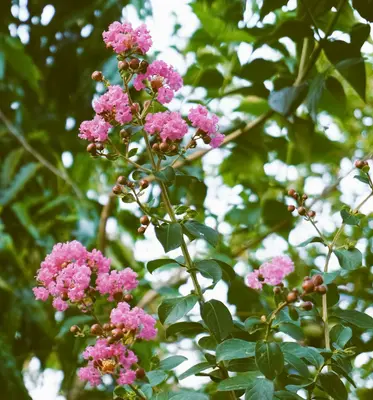
Zone 10 Growing Tips for Hawaii
In Zone 10, timing your tree plantings around the brief winter window is crucial for establishment success. Plant container-grown trees from late December through February when temperatures are most moderate and summer heat stress is months away. This gives root systems time to establish before facing the intense heat and humidity of late spring and summer. Avoid planting during the peak summer months of June through September, when even heat-tolerant varieties struggle to establish.
Water management becomes your most critical task in Zone 10's climate. Deep, infrequent watering encourages deep root growth that can access moisture during dry periods, while frequent shallow watering creates weak surface roots vulnerable to heat stress. Mulch heavily—3 to 4 inches of organic mulch around the root zone—to conserve soil moisture and keep roots cool during scorching summer temperatures.
Many Zone 10 gardeners underestimate the importance of afternoon shade for newly planted trees. Even sun-loving varieties benefit from protection during the harshest afternoon hours (2-5 PM) during their first year. Consider temporary shade cloth or strategic placement near larger established trees. Also, be prepared for different growth patterns—many trees will show slower growth during the intense summer months and surge during the milder winter and spring periods.