Best Eggplants to Grow in Hawaii
Hawaii spans USDA Zones 10–13, typically Zone 10. We've broken out 29 eggplant varieties by zone — pick your zone below or find the right varieties for your specific part of the state.
Varieties
29
for Hawaii
USDA
Zones 10–13
320–365 days season
Beginner
12
easy to grow
Heirloom
15
heritage varieties
Hawaii in USDA Zones 10–13
Hawaii spans Zones 10–13. Variety lists below are organized by zone — start with your zone for the most accurate recommendations.
Growing Eggplants in Hawaii
Zone 10 is eggplant paradise – your nearly year-round growing season and minimal frost risk create ideal conditions for these heat-loving plants. With an average last frost around January 31st and first frost not until mid-December, you have roughly 320 growing days to work with, which means you can grow multiple crops per year and experiment with long-season varieties that gardeners in cooler zones only dream about. The challenge isn't cold – it's managing the intense heat and humidity that can stress plants and reduce fruit set during peak summer months.
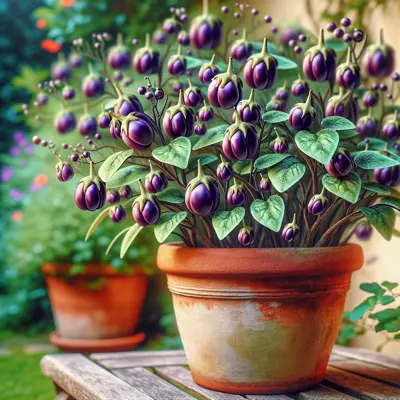
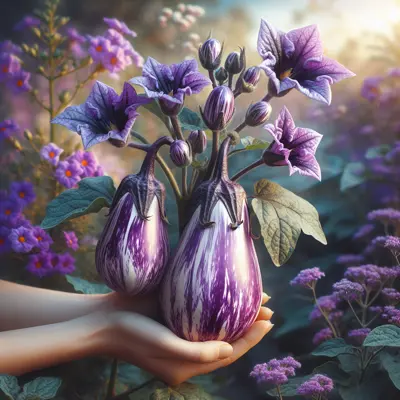
When selecting varieties for Zone 10, prioritize heat tolerance and disease resistance, particularly for bacterial wilt and spider mites that thrive in your climate. Look for varieties that can handle temperature swings and maintain production through your hottest months. The twenty varieties that perform exceptionally well in your zone range from compact patio types like Bambino F1 and Patio Baby for container growing, to productive long-season varieties like Ichiban and Ping Tung Long that can handle your extended growing period. Your climate allows you to grow both quick-maturing varieties for succession planting and slower, more exotic types like Violette di Firenze that need extra time to develop their complex flavors.
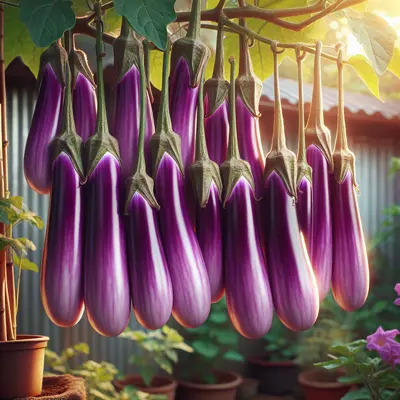
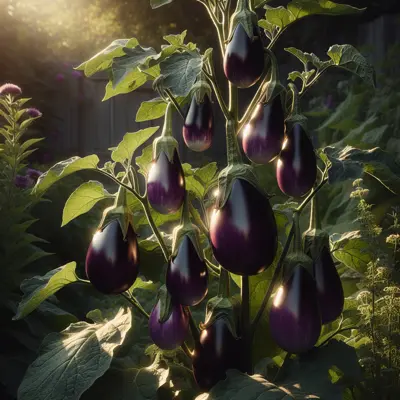
Zone 10 Eggplants for Hawaii★ Most of HI
29 varieties · Last frost January 31 · 320-day season
Zone 11 Eggplants for Hawaii
29 varieties · Year-round growing
Zone 12 Eggplants for Hawaii
29 varieties · Year-round growing
Zone 13 Eggplants for Hawaii
29 varieties · Year-round growing
Zone 10 Growing Tips for Hawaii
Start seeds indoors 8-10 weeks before your last frost date, which puts you at late November to early December for transplanting in late January or early February. Unlike gardeners in cooler zones who race against fall frost, you can take your time with seed starting and even direct sow in March once soil temperatures consistently reach 70°F. Your transplants will benefit from afternoon shade cloth during the transition period, as the February sun can be more intense than young plants expect.
Take advantage of your extended season by planning two main plantings: early spring transplants for summer harvest, and a second planting in July or August for fall and early winter production. The second planting often performs better since plants mature during your cooler months when fruit set improves. Combat summer heat stress with consistent deep watering, 2-3 inch mulch layers, and shade cloth during extreme heat waves. Watch for spider mites and whiteflies, which multiply rapidly in your climate – weekly inspection and early intervention with beneficial insects or horticultural oils keeps populations manageable.