Best Flowers to Grow in Florida
Florida spans USDA Zones 8–11, typically Zone 9. We've broken out 523 flower varieties by zone — pick your zone below or find the right varieties for your specific part of the state.
Varieties
523
for Florida
USDA
Zones 8–11
240–365 days season
Beginner
503
easy to grow
Heirloom
333
heritage varieties
Florida in USDA Zones 8–11
Florida spans Zones 8–11. Variety lists below are organized by zone — start with your zone for the most accurate recommendations.
Growing Flowers in Florida
Zone 9 is a flower gardener's dream, offering nearly 10 months of growing potential with minimal frost disruption. The extended warm season means you can grow heat-loving varieties that struggle in cooler zones, while also enjoying early spring blooms and late fall color. However, the intense summer heat can stress many traditional garden flowers, making variety selection crucial for continuous blooms from March through November.
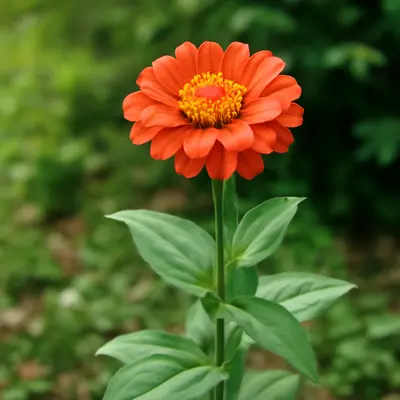
The key to success in Zone 9 is choosing flowers that either thrive in heat or bloom during the more moderate spring and fall months. Heat champions like zinnias, celosia, and vinca will power through summer's scorching days, while cooler-season favorites like pansies and sweet peas can provide stunning displays during your mild winters. Many perennials that are borderline hardy in cooler zones become reliable performers here, giving you a diverse palette of options.
Smart Zone 9 gardeners focus on succession planting and seasonal rotation to maintain year-round interest. The varieties listed here have been selected specifically for their ability to handle your climate extremes – whether that's surviving 100°F summer days or taking advantage of your brief but reliable winter chill period for optimal bloom development.
Zone 9 Flowers for Florida★ Most of FL
523 varieties · Last frost February 15 · 290-day season
Zone 8 Flowers for Florida
523 varieties · Last frost March 15 · 240-day season
Zone 10 Flowers for Florida
523 varieties · Last frost January 31 · 320-day season
Zone 11 Flowers for Florida
523 varieties · Year-round growing
Zone 9 Growing Tips for Florida
Start warm-season annuals like zinnias, marigolds, and cosmos from seed indoors in late January, then transplant after your last frost around February 15th. For direct seeding, wait until soil temperatures consistently reach 65°F in early March. Cool-season flowers like pansies, sweet peas, and snapdragons should be planted in October for winter and early spring blooms – they'll often survive your mild winters and provide color when most gardens are dormant.
Summer success depends heavily on timing and heat management. Plant heat-sensitive varieties like petunias and impatiens in locations that receive morning sun but afternoon shade, and establish them early in the season before temperatures peak. Mulch heavily around all flowers to keep roots cool and conserve moisture during the challenging July and August period. Consider container gardening for varieties that need protection – you can move pots to shadier locations during heat waves.
Take advantage of your extended season by planning three distinct planting periods: early spring for heat-sensitive annuals, late spring for summer stalwarts, and early fall for a second wave of cool-season color. Many annuals like celosia and marigolds will self-seed readily in your climate, giving you volunteer plants for the following year. Water deeply but less frequently to encourage deep root systems that can better handle heat stress.