Delaware in USDA Zone 7
Delaware is primarily in Zone 7. Local microclimates can vary.
Growing Beans & Legumes in Delaware
Zone 7's generous 210-day growing season and mild climate make it bean paradise. With your last frost typically clearing by April 1st and the first frost holding off until late October, you have the luxury of growing everything from quick-maturing bush varieties to ambitious climbing beans that need time to reach their potential. The key is choosing varieties that can handle Zone 7's occasional late spring cold snaps and summer heat waves while maximizing your extended season.
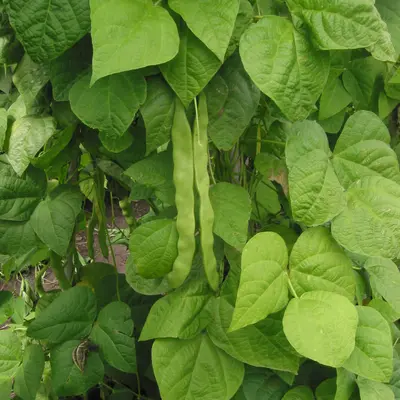
The best Zone 7 bean varieties combine heat tolerance with reliable production through your long summer months. Look for varieties that resist common fungal diseases encouraged by Zone 7's humidity, and consider your garden's microclimates – those south-facing spots that warm up early are perfect for heat-loving varieties like Dragon Tongue and Romano Italian, while slightly cooler areas suit steady producers like Provider Bush and Contender. With nearly seven months of growing weather, you can succession plant bush varieties every two weeks and still have climbing beans like Cherokee Trail of Tears producing until frost.
Zone 7 Beans & Legumes for Delaware
84 varieties · Last frost April 1 · 210-day season
Zone 7 Growing Tips for Delaware
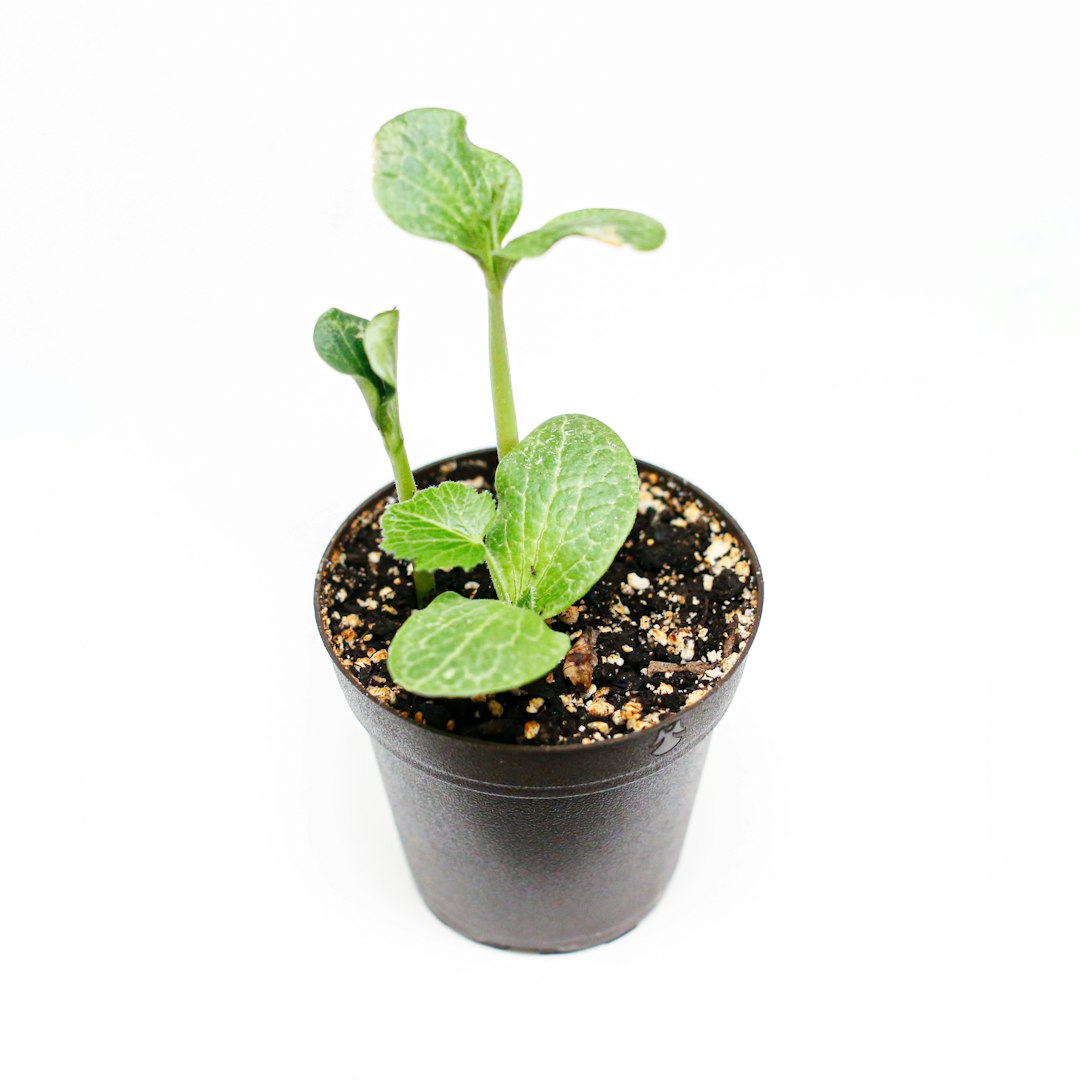
In Zone 7, resist the urge to plant beans too early – soil temperature matters more than air temperature, and beans sulk in cold, wet ground. Wait until soil reaches 60°F consistently, usually 2-3 weeks after your average last frost date, making early to mid-April your sweet spot for first plantings. I always keep row cover handy for unexpected late cold snaps that can blacken tender bean seedlings overnight.
Take advantage of your long season by succession planting bush varieties like Provider and Blue Lake every 2-3 weeks through July for continuous harvests. Plant your pole beans like Kentucky Wonder and Fortex in late April or early May – they need the full season to reach peak production. In Zone 7's summer heat, beans appreciate afternoon shade and consistent moisture. Mulch heavily once plants are established to keep roots cool and conserve water during those inevitable August dry spells.
Your October 30th average first frost date means you can plant a final round of quick-maturing varieties like Jade Bush or Maxibel Haricot Vert in late July for fall harvest. These cool-weather plantings often produce the most tender, flavorful beans as temperatures moderate in September and October.