Zowie!™ Yellow Flame
Zinnia elegans
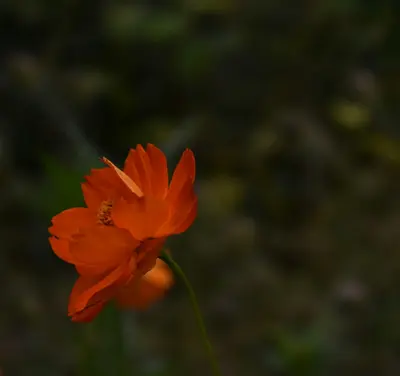
2-3 1/2" semidouble flowers have iridescent magenta centers and petals dipped in orange. Cut-and-come-again flower, yielding multiple cuts over the season. This magnificent zinnia is an AAS Winner.
Harvest
75-85d
Days to harvest
Sun
Full sun
Zones
2–11
USDA hardiness
Height
0-3 feet
Planting Timeline
Showing dates for Zowie!™ Yellow Flame in USDA Zone 7
All Zone 7 flower →Zone Map
Click a state to update dates
Zowie!™ Yellow Flame · Zones 2–11
Growing Details
Succession Planting
Zowie! Yellow Flame blooms continuously from a single sowing, so you don't have to succession plant — but staggering two or three rounds does extend your peak-quality cut-flower window before summer heat and plant age start showing in stem length and bloom size. In zone 7, direct sow a first round around April 15, a second around May 15, and a final round no later than June 15. Each sowing takes 75–85 days to reach flower, so a June 15 sowing should carry you into September before frost ends things.
Stop sowing once daytime highs are reliably above 90°F — germination gets erratic and seedlings struggle to establish in that kind of heat. If you're starting indoors, sow 4–6 weeks before your last frost date and transplant out after nighttime lows stay consistently above 50°F. Zinnias don't love root disturbance, so use biodegradable pots or direct sow whenever you have the option.
Complete Growing Guide
2-3 1/2" semidouble flowers have iridescent magenta centers and petals dipped in orange. Cut-and-come-again flower, yielding multiple cuts over the season. This magnificent zinnia is an AAS Winner. According to Johnny's Selected Seeds, Zowie!™ Yellow Flame is 75 - 85 days to maturity, annual, hybrid (f1). Notable features: Grows Well in Containers, Use for Cut Flowers and Bouquets, AAS (All-America Selections) Winners.
Light: Full sun (6 or more hours of direct sunlight a day). Soil: High Organic Matter, Loam (Silt). Soil pH: Acid (<6.0), Alkaline (>8.0), Neutral (6.0-8.0). Drainage: Good Drainage, Occasionally Dry. Height: 0 ft. 6 in. - 3 ft. 0 in.. Spread: 0 ft. 8 in. - 1 ft. 0 in.. Spacing: 12 inches-3 feet. Growth rate: Rapid. Maintenance: Medium. Propagation: Seed. Regions: Coastal, Mountains, Piedmont.
Harvesting
Zowie!™ Yellow Flame reaches harvest at 75 - 85 days from sowing per Johnny's Selected Seeds. Expect 2-3 1/2" at peak. As an annual, harvest continues until frost ends the season.
Type: Achene.
Storage & Preservation
Fresh zinnia flowers are best stored in the refrigerator to extend vase life. Keep stems in clean, cool water (35-45°F) with high humidity—use a vase with flower food or a homemade solution of sugar and bleach. Shelf life is typically 7-10 days when properly hydrated. For preservation: air-dry by hanging bundles upside-down in a warm, dark, well-ventilated space for 2-3 weeks to create dried arrangements; press individual flowers between parchment paper under heavy books for 2-3 weeks for crafts; or freeze flowers in ice cubes with water for decorative use in beverages.
History & Origin
Zowie!™ Yellow Flame is an F1 hybrid developed through controlled cross-pollination. Listed in the Johnny's Selected Seeds catalog.
Origin: Mexico
Advantages
- +AAS Winner designation ensures proven superior quality and performance
- +Cut-and-come-again variety produces multiple harvests throughout growing season
- +Striking bicolor blooms with iridescent magenta centers create stunning arrangements
- +Semidouble flowers offer full, impressive appearance compared to single varieties
- +Moderate 75-85 day maturity allows reasonable timeframe for blooming
Considerations
- -Requires consistent deadheading to maintain prolific cutting production
- -Magenta centers may fade in intense afternoon heat conditions
- -Tall growth habit needs staking support in windy locations
Companion Plants
Marigolds and nasturtiums are the workhorses here. Tagetes patula emits thiophenes from its roots that suppress soil nematodes — a real mechanism, not just garden folklore. Nasturtiums pull double duty: they lure aphids away from your zinnias and bring in lacewings and other predatory insects that keep thrips pressure down, which matters because Zowie! Yellow Flame's dense, bicolor petals give thrips plenty of places to hide and feed. Sweet alyssum is worth tucking into any gaps at the border; its tiny flowers run for months and feed parasitic wasps that go after thrips larvae.
Black walnut is the one to plant nowhere near your flower beds, period — Juglans nigra produces juglone in its roots, leaves, and hulls, and zinnias are sensitive enough that even roots reaching into the drip zone can cause wilting and collapse that looks like drought stress until you realize the plant is already dead. Eucalyptus has similar allelopathic properties through its leaf litter and root exudates. Sunflowers are a softer concern — they won't poison zinnias, but they compete aggressively for water and tend to host spider mite colonies that drift over when conditions get hot and dry.
Plant Together
Marigolds
Repel nematodes and aphids while attracting beneficial insects
Nasturtiums
Act as trap crops for aphids and cucumber beetles, add vibrant color contrast
Sweet Alyssum
Attracts beneficial insects like lacewings and provides ground cover
Petunias
Repel aphids, tomato hornworms, and other garden pests
Catnip
Deters ants, aphids, and mosquitoes while attracting pollinators
Cosmos
Attract beneficial insects and provide structural diversity without competition
Lavender
Repels moths, fleas, and mosquitoes while attracting bees and butterflies
Zinnia
Attract beneficial predatory insects and complement warm color palette
Keep Apart
Black Walnut
Produces juglone toxin that inhibits growth of most flowering plants
Eucalyptus
Releases allelopathic compounds that suppress nearby plant growth
Sunflowers
Compete aggressively for nutrients and water, may stunt smaller flowering plants
Pests & Disease Resistance
Common Pests
Japanese beetles, spider mites, thrips
Diseases
Powdery mildew, leaf spots, root rot in overly wet soil
Troubleshooting Zowie!™ Yellow Flame
What you'll see, why it happens, and what to do about it.
White powdery coating on upper leaf surfaces, usually showing up mid-summer when nights cool down
Likely Causes
- Powdery mildew (Erysiphe cichoracearum) — airborne fungal spores that thrive when humidity is high but leaves are dry
- Overcrowded planting that traps stagnant air around foliage
What to Do
- 1.Space plants at least 18 inches apart — crowding is the main accelerant here
- 2.Remove and trash (don't compost) heavily affected leaves as soon as you spot them
- 3.Apply a diluted neem oil spray (2 tsp per quart of water) every 7 days until symptoms stop spreading
Ragged holes chewed through petals and leaves, with shiny green-bronze beetles visible on the plant in July or August
Likely Causes
- Japanese beetles (Popillia japonica) — they skeletonize petals and leaves, and they're worse on sunny days between 9 a.m. and 3 p.m.
What to Do
- 1.Hand-pick beetles into a bucket of soapy water early in the morning when they're sluggish
- 2.Skip Japanese beetle traps near your zinnias — they pull in more beetles than they catch
- 3.Plant catnip (Nepeta cataria) nearby as a mild deterrent; it won't eliminate them but can reduce pressure
Stunted growth, yellowing leaves, and wilting that doesn't recover after watering — roots look brown and mushy when you pull the plant
Likely Causes
- Root rot caused by Pythium or Rhizoctonia spp. — both thrive in waterlogged, poorly draining soil
- Overwatering or planting in a low spot where water pools after rain
What to Do
- 1.Pull and discard affected plants — they won't recover once roots are gone
- 2.Amend the bed with compost or coarse perlite before replanting to improve drainage
- 3.Water at the base only, and let the top inch of soil dry out between waterings
Frequently Asked Questions
How long do Zowie Yellow Flame flowers last in a vase?▼
Is this zinnia variety good for beginners?▼
Can you grow Zowie Yellow Flame zinnias in containers?▼
When should I plant Zowie Yellow Flame seeds?▼
What makes Zowie Yellow Flame different from other zinnias?▼
How much sun and space do Zowie Yellow Flame zinnias need?▼
Zone-by-Zone Planting Calendar
| Zone | Indoor Start | Transplant | Direct Sow | Harvest |
|---|---|---|---|---|
| Zone 1 | May – June | July – August | July – September | — |
| Zone 2 | April – May | June – July | June – August | — |
| Zone 11 | January – January | January – February | January – March | — |
| Zone 12 | January – January | January – February | January – March | — |
| Zone 13 | January – January | January – February | January – March | — |
| Zone 3 | April – May | June – July | June – August | — |
| Zone 4 | March – April | June – June | June – July | — |
| Zone 5 | March – April | May – June | May – July | — |
| Zone 6 | March – April | May – June | May – July | — |
| Zone 7 | February – March | April – May | April – June | — |
| Zone 8 | February – March | April – May | April – June | — |
| Zone 9 | January – February | March – April | March – May | — |
| Zone 10 | January – January | February – March | February – April | — |
Growing Guides from Wind River Greens
Sources & References
External authority sources used in compiling this guide.
- BreederJohnny's Selected Seeds
See the Methodology page for how this data is sourced, what's AI-assisted, and known limitations.